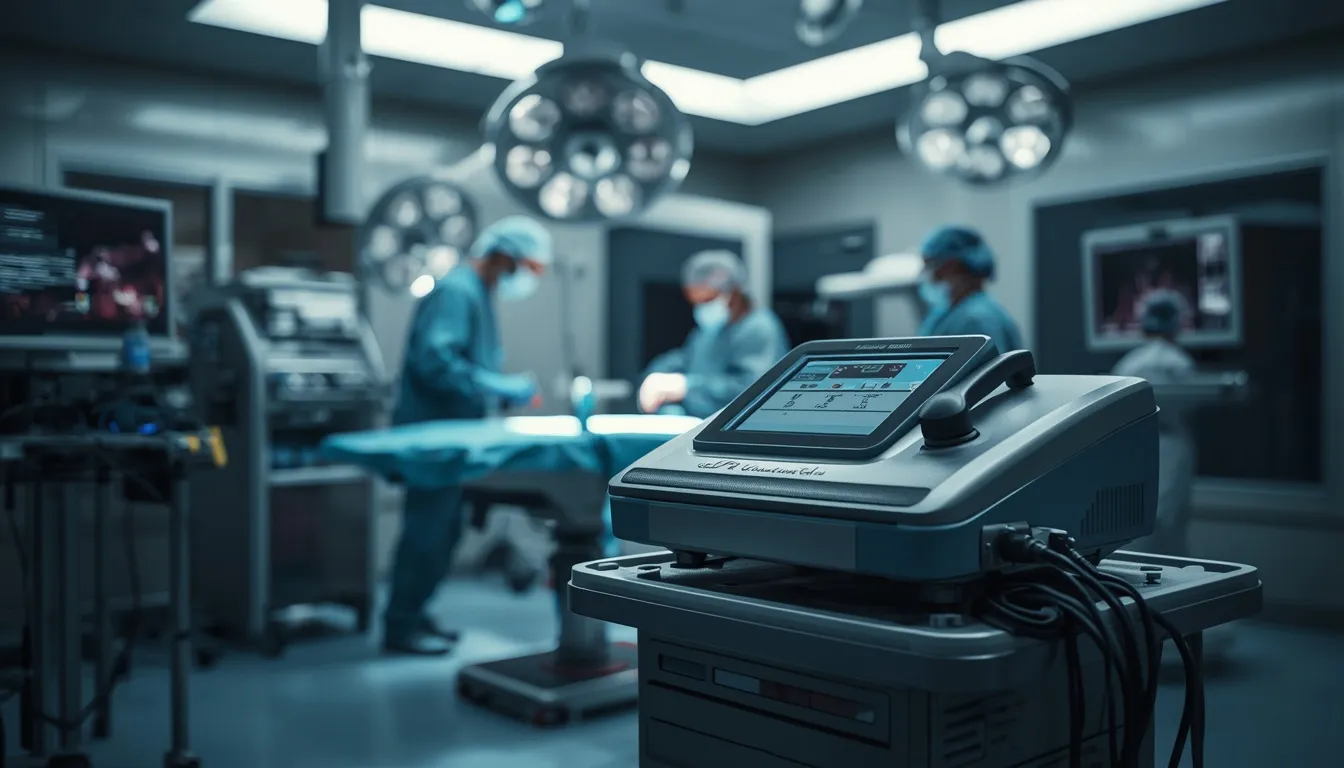

In modern minimally invasive surgery, the quality of visualization can significantly influence how confidently surgeons perform a procedure. As operating rooms continue to adopt advanced imaging technologies, conversations often revolve around higher resolutions such as Full HD, 4K, and even emerging 8K systems. While resolution is undoubtedly important, it is only one part of the overall imaging equation.
What truly supports surgical visualization is image quality—a combination of factors including optics, illumination, color accuracy, dynamic range, camera sensors, image processing, and display technology. A system with exceptional image quality can often provide greater clinical value than one that simply offers a higher pixel count.
For hospitals investing in new surgical technologies, understanding this distinction is essential. Choosing an imaging platform based solely on resolution may overlook several critical elements that directly affect how clearly surgeons can visualize anatomy during minimally invasive procedures.
Understanding the Difference Between Resolution and Image Quality
Resolution refers to the number of pixels that make up an image. A higher resolution generally means more pixels and the potential to display finer details.
Image quality, however, is much broader. It describes how accurately and clearly those pixels represent the surgical field.
For example, two imaging systems may both offer 4K resolution, yet produce noticeably different images. One may deliver natural colors, balanced brightness, excellent contrast, and sharp anatomical detail, while the other may appear washed out, noisy, or inconsistent under different lighting conditions.
This difference exists because image quality depends on how every component of the imaging chain works together—not just the camera's resolution.
In minimally invasive surgery, where surgeons rely entirely on a monitor to navigate anatomical structures, this distinction becomes particularly important.
Why Image Quality Is Critical in Endoscopic Surgery
Unlike open surgery, endoscopic procedures provide an indirect view of the operative field. The surgeon makes clinical decisions based entirely on the image displayed by the camera system.
Every visual detail matters.
Clear visualization can help surgeons identify tissue planes, recognize blood vessels, distinguish anatomical landmarks, and manipulate instruments with greater confidence.
Poor image quality, on the other hand, can make interpretation more difficult, even when the camera offers a high resolution.
This is why modern best endoscopic imaging system in india has evolved beyond simply increasing pixel counts. Today's focus is on delivering clearer, more realistic, and more consistent visualization throughout the procedure.
The Role of High-Quality Optics
The optical system is often described as the foundation of surgical imaging.
Before light reaches the camera sensor, it passes through the endoscope and optical components. If the optics cannot accurately transmit visual information, increasing camera resolution cannot recover details that were never captured.
High-quality optical systems contribute to:
- Better edge-to-edge sharpness
- Reduced optical distortion
- Improved light transmission
- Consistent focus
- More accurate representation of anatomical structures
When evaluating imaging equipment, hospitals should therefore consider the quality of the optics alongside camera specifications.
Excellent optics remain valuable regardless of whether the system uses Full HD or 4K resolution.
Illumination: The Often Overlooked Factor
Even the best camera cannot perform effectively without proper illumination.
Light sources play a crucial role in determining how tissues appear during surgery. Inadequate illumination may reduce contrast, increase image noise, or obscure important anatomical details.
Modern LED and advanced illumination technologies aim to provide consistent brightness while maintaining appropriate color characteristics.
Uniform lighting also helps reduce shadows within deep anatomical cavities, supporting better visualization throughout the procedure.
When selecting an endoscopic imaging system, the compatibility between the camera and light source should be evaluated as part of the complete imaging platform rather than as separate components.
Why Accurate Color Reproduction Matters
Human tissue contains subtle variations in color.
Surgeons frequently rely on these differences to recognize normal anatomy, identify tissue boundaries, and assess the operative field.
If an imaging system produces inaccurate or inconsistent colors, interpreting the surgical view may become more challenging.
High-quality imaging systems are designed to provide realistic color reproduction while maintaining consistency throughout the procedure.
Color accuracy becomes particularly valuable in procedures involving delicate anatomical structures where subtle visual differences may assist clinical judgment.
The goal is not to create a more visually attractive image—it is to provide one that accurately represents the surgical environment.
Dynamic Range Improves Visualization
Operating rooms present challenging lighting conditions.
Certain parts of the surgical field may be brightly illuminated, while deeper anatomical regions remain comparatively dark.
Dynamic range describes how effectively an imaging system captures both bright and dark areas simultaneously.
A wider dynamic range allows more visual information to remain visible across the entire image.
This can reduce overexposed highlights while preserving details in darker regions.
Modern imaging platforms increasingly incorporate advanced sensor technologies and image processing techniques to improve dynamic range without compromising overall image quality.
Camera Sensors Influence More Than Resolution
The camera sensor acts as the eye of the imaging system.
While higher-resolution sensors contain more pixels, sensor quality also determines several other important characteristics:
- Sensitivity to light
- Noise performance
- Contrast
- Color accuracy
- Dynamic range
- Image consistency
A well-designed sensor with fewer pixels may sometimes produce a cleaner and more clinically useful image than a higher-resolution sensor with weaker overall performance.
This is another reason why hospitals should avoid comparing imaging systems solely based on resolution specifications.
Image Processing Makes a Significant Difference
Modern surgical cameras rely heavily on digital image processing.
Processing algorithms help optimize:
- Brightness
- Contrast
- Sharpness
- Color balance
- Noise reduction
Advanced processing allows imaging systems to deliver consistent visualization under changing surgical conditions.
However, image processing must be carefully balanced.
Excessive sharpening or aggressive digital enhancement can create artificial appearances that do not accurately represent the surgical field.
The objective should always be to enhance useful clinical information while preserving a natural image.
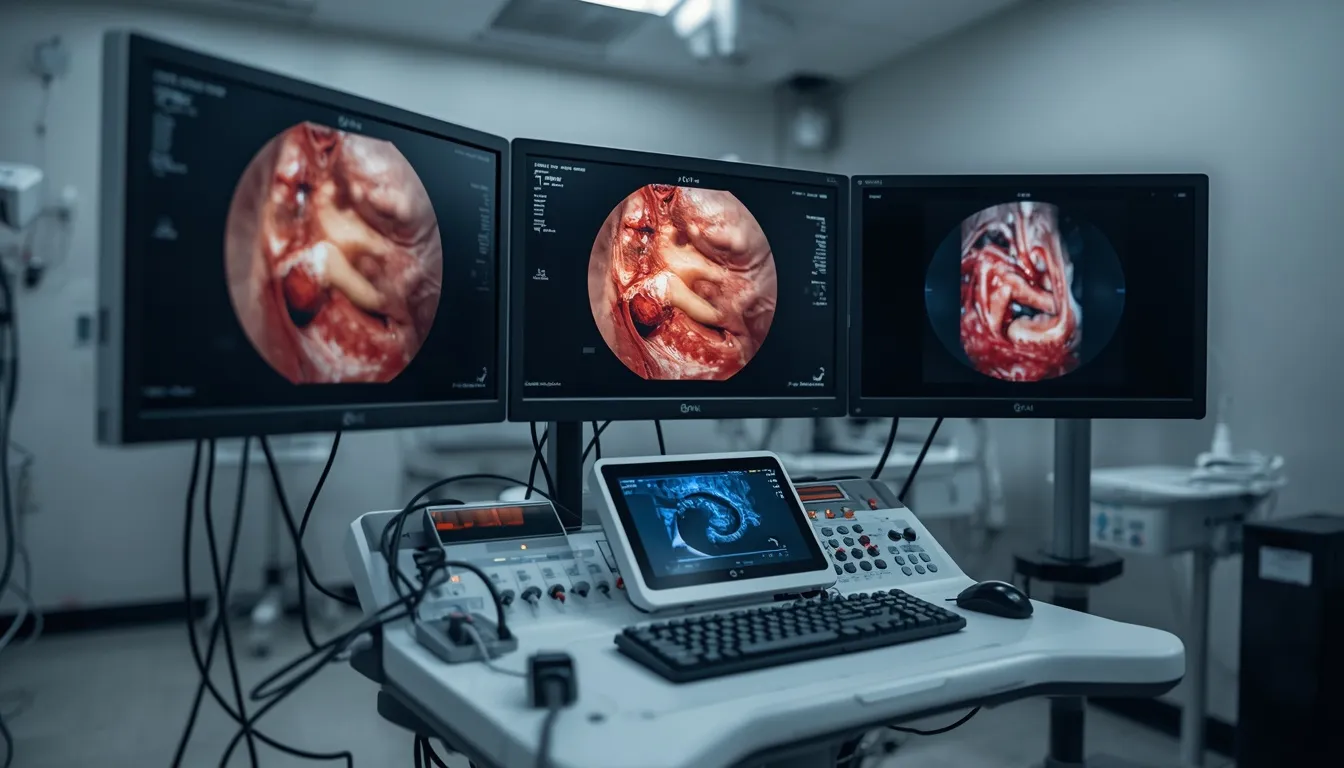
Display Technology Completes the Imaging Chain
Even an advanced camera cannot achieve its full potential without an appropriate monitor.
Monitor resolution, brightness, color performance, and calibration all influence how the surgical image appears to the operating team.
Large surgical displays have become increasingly common in modern operating rooms.
When properly matched with high-quality cameras, they can provide detailed visualization while allowing the entire surgical team to observe the procedure comfortably.
The imaging system should therefore be evaluated as a complete ecosystem rather than as individual products.
Choosing the Right Endoscopic Imaging System
When hospitals evaluate an best endoscopic imaging system , resolution should be viewed as only one of several important considerations.
Decision-makers should also assess:
- Optical performance
- Camera sensor quality
- Illumination technology
- Color accuracy
- Dynamic range
- Image processing capabilities
- Display compatibility
- Recording options
- Ease of operation
- Integration with existing operating room equipment
- Technical support and maintenance
A balanced evaluation often provides a more accurate picture of long-term clinical value than comparing specifications alone.
Hospitals should also consider future scalability, ensuring that the chosen system can adapt to evolving surgical requirements and technological advancements.
Considerations for Hospitals in India
Healthcare providers selecting an endoscopic imaging in india face additional practical considerations beyond imaging performance.
Reliable service support, availability of spare parts, user training, preventive maintenance, and system uptime all contribute to the overall success of an imaging platform.
An advanced system is only valuable if it remains dependable throughout years of clinical use.
Hospitals should therefore evaluate manufacturers and distributors not only for product features but also for their ability to provide long-term technical support.
Total cost of ownership—including maintenance, upgrades, and service—should be considered alongside the initial purchase price.
Looking Beyond Marketing Specifications
Medical equipment brochures often emphasize numerical specifications because they are easy to compare.
Resolution is one such specification.
However, surgeons rarely judge an imaging system by pixel count alone. Their experience depends on how clearly they can visualize anatomy, identify tissue structures, and perform procedures with confidence.
Image quality is ultimately measured by the usefulness of the information presented on the screen.
That usefulness comes from the combined performance of optics, illumination, sensors, image processing, displays, and system integration.
Conclusion
As minimally invasive surgery continues to advance, imaging technology will remain at the heart of surgical visualization. While higher resolutions such as 4K have undoubtedly improved the level of detail available to surgeons, resolution alone does not define image quality.
The most effective imaging systems combine high-quality optics, advanced camera sensors, balanced illumination, accurate color reproduction, wide dynamic range, intelligent image processing, and compatible display technologies to create a clear and reliable surgical view.
For hospitals planning future investments, the objective should not simply be to purchase the highest-resolution camera available. Instead, the focus should be on selecting an imaging platform that consistently delivers meaningful clinical visualization, integrates smoothly into the operating room, and supports the evolving needs of surgical teams.
In today's operating rooms, better surgery is not driven by more pixels alone. It is driven by better visual information, presented accurately, consistently, and reliably—helping surgeons make informed decisions when precision matters most.

























Sign in to leave a comment.