
Workplace protection has evolved from basic protocols to sophisticated, tech-driven ecosystems that safeguard employees, assets, and operations. With rising threats like cyber risks, health crises, and physical hazards, innovative tools now provide proactive defense rather than reactive fixes. These advancements enhance safety without disrupting productivity, fostering secure environments where people thrive. From AI surveillance to wearable tech, technology is at the forefront of this transformation. This article delves into eight key ways it's redefining protection in modern workplaces.
AI-Powered Surveillance
AI surveillance systems analyze video feeds in real-time, detecting anomalies like unauthorized access or aggressive behavior before incidents escalate. Machine learning distinguishes threats from normal activity, reducing false alarms by 90%. Integrated with facial recognition, they grant seamless entry while flagging risks. Offices like Google's campuses use this for perimeter security, ensuring privacy through anonymized data processing and boosting overall vigilance.
Biometric Access Controls
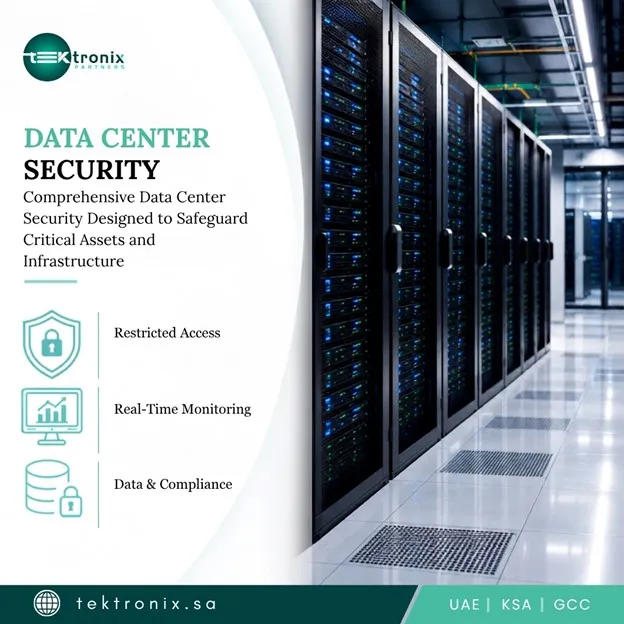
Biometrics replace keys and badges with iris scans, fingerprints, or vein patterns, eliminating lost credentials and tailgating. Cloud-synced systems revoke access instantly for ex-employees and track movements for audits. Accuracy exceeds 99.9%, with anti-spoofing tech thwarting fakes. This not only secures sensitive areas but also streamlines workflows, as seen in high-security data centers where it prevents breaches proactively.
IoT Environmental Sensors
IoT sensors monitor air quality, temperature, humidity, and toxins continuously, alerting managers to hazards like poor ventilation or chemical leaks. Data feeds into dashboards for predictive maintenance, preventing issues like mold growth. Post-pandemic offices deploy them to maintain optimal conditions, cutting sick days by 20%. Wireless and scalable, they integrate with HVAC for automated corrections.
Wearable Safety Devices
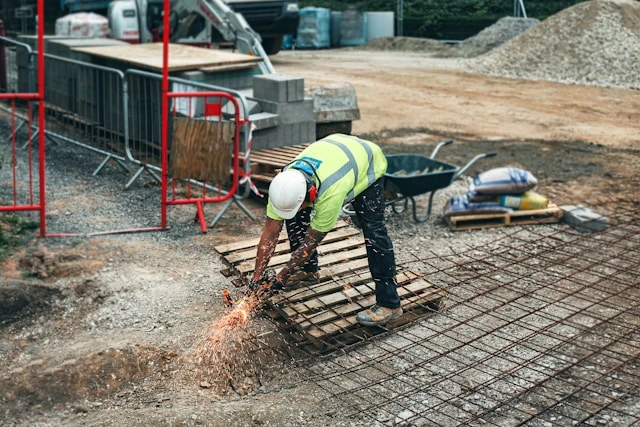
Wearables like smart vests or wristbands track vital signs, location, and fatigue in real-time, vibrating alerts for dangers such as proximity to machinery. Geofencing notifies if workers enter no-go zones, while fall detection triggers instant SOS. Construction sites use them to slash accident rates by 30%, with data analytics identifying training gaps for ongoing improvements.
Smart Fire Detection Networks
Advanced fire tech goes beyond smoke detectors with multisensor arrays spotting heat, smoke, and gases early. Linked to building management, they activate sprinklers or vents precisely, minimizing damage. A commercial fire alarm system with voice evacuation and phased alerts guides occupants efficiently, integrating with apps for remote monitoring. Warehouses benefit from this, ensuring compliance and rapid response.
Cybersecurity Perimeters
Endpoint detection and response (EDR) tools shield networks from ransomware and phishing, using AI to isolate threats instantly. Zero-trust models verify every access, segmenting data to limit breaches. Remote work setups now feature this, with behavioral analytics spotting insider risks. It protects intellectual property while enabling secure collaboration across hybrid teams.
Automated Emergency Response
Robotic responders deploy for crises: drones map fire scenes, while autonomous robots deliver AEDs or first-aid kits. AI coordinates evacuations via dynamic routing on digital maps, factoring crowd density. Hospitals and factories test these, reducing response times by 40%. Integration with public services ensures seamless handoffs during large-scale events.
Predictive Analytics Platforms
Big data platforms crunch historical incidents, weather, and usage patterns to forecast risks, like equipment failures or peak-hour overcrowding. Machine learning refines models, prioritizing interventions. Insurers partner with firms using this to lower premiums. Forward-thinking companies apply it enterprise-wide, embedding safety into operations for cultural shifts toward prevention.
In conclusion, these eight technological strides are fortifying workplaces against diverse threats, blending innovation with practicality. They not only mitigate risks but elevate employee confidence and efficiency. As adoption accelerates, expect even tighter integrations, from VR training to quantum encryption. Prioritizing these now builds resilient organizations ready for whatever comes next.
























Sign in to leave a comment.