
Efficiency fuels success in the modern digital world. Every company wants to move faster without breaking the bank. DevOps provides the perfect bridge between speed and savings. Many leaders think DevOps services only help with software deployment. This is a common mistake. It actually serves as a powerful tool for financial control. By merging development and operations teams, you eliminate silos.
This transparency allows you to see exactly where your money goes every hour. You stop guessing about server costs or wasted labor. Instead, you use data to drive every single decision. Cost optimization becomes a natural part of your daily workflow. This guide explores nine specific ways you can slash expenses today. These strategies ensure your infrastructure stays lean and mean. You will learn to treat every dollar like a strategic investment.
1. Automated Scaling Keeps Your Wallet Full
Static servers waste huge amounts of money. You pay for peak capacity even during quiet hours. This approach is like keeping every light in your house on all night. This is where DevOps services solve this through automated scaling, dynamically adjusting resources in real time to match actual demand and eliminate unnecessary infrastructure spend.
Mastering Resource Allocation
Precision is the key to cloud savings. You must set specific triggers for your environment. Use metrics like CPU usage or memory demand to guide the system.
Smart scaling reduces the need for manual intervention. Your engineers can focus on building features instead of watching monitors. This shift saves both cloud fees and expensive labor hours. Once your scaling is tight, you can look at the underlying code.
2. Infrastructure as Code Removes Human Error
Manual setup takes too much time. It also leads to inconsistent environments that crash often. When system failures occur, they result in financial losses because businesses experience operational halts and customers stop using their services. You write scripts to deploy servers instantly.
- You gain total consistency across every environment.
- The system allows for rapid recovery after a failure.
- You eliminate the "it works on my machine" problem forever.
- Scripts act as living documentation for your entire stack.
IaC makes your infrastructure predictable and cheap to maintain. It creates a solid foundation for your testing phase.
3. Continuous Integration Spots Bugs Early
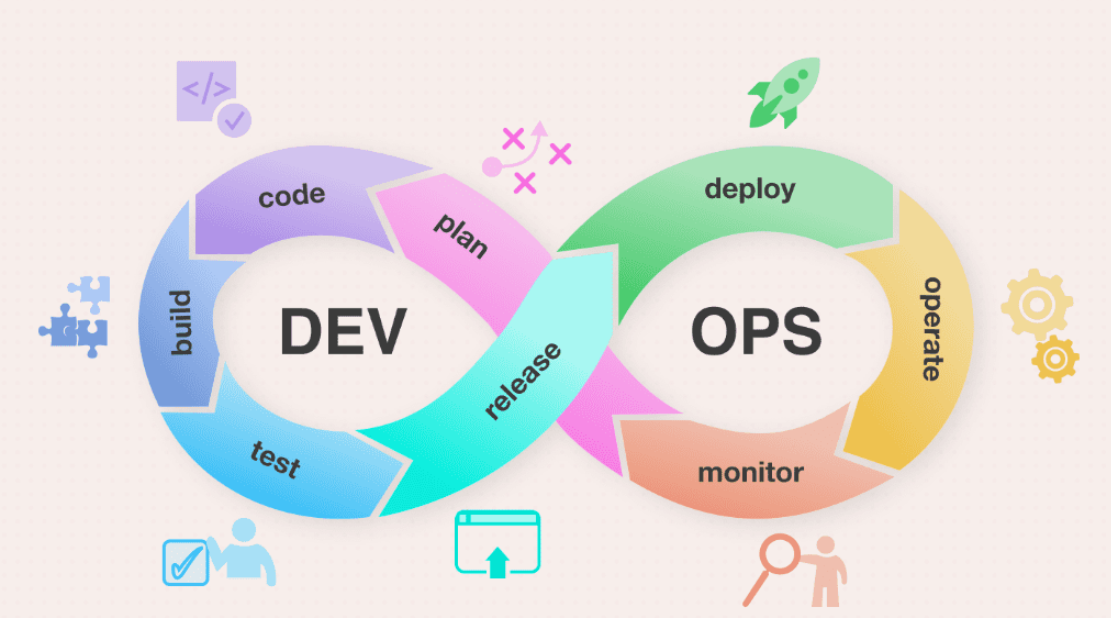
Fixing a bug in production is incredibly expensive. Your project requires multiple people to perform their work functions during nighttime hours. The DevOps process employs Continuous Integration (CI) to detect system faults as soon as they occur. The system tests all code modifications through various automated testing procedures.
- Early detection prevents costly system outages.
- Developers get instant feedback on their work quality.
- The pipeline ensures only healthy code moves forward.
With the global DevOps market size expected to surpass $14969.6 million by 2026, DevOps services continue to drive rapid enterprise adoption worldwide.
4. Containerization Maximizes Your Server Power
Traditional virtual machines carry a lot of dead weight. Each one needs its own operating system. Containers are much lighter and faster. They allow you to pack more applications onto a single server.
Optimizing Container Density
Packing containers tightly reduces your total server count. You get more work done with fewer resources.
This density lowers your monthly cloud provider bill significantly. Containers also make your applications portable across different clouds. This flexibility prevents you from getting stuck with one expensive vendor. After optimizing containers, you should look at your storage habits.
5. Automated Deletion Cleans Up Digital Trash
Development teams often leave "zombie" resources running. These are test servers or databases that no one uses anymore. They sit quietly and drain your budget every month. DevOps teams use automated scripts to find and kill these idle assets.
- Set expiration dates on all temporary test environments.
- Use tags to identify who owns every running resource.
- Schedule automatic shutdowns for non-production tools at night.
Cleaning up your digital workspace provides instant savings. This proactive approach leads to a culture of accountability.
6. Serverless Computing Eliminates Idle Costs
Serverless is the ultimate way to stop paying for air. You do not manage any servers at all. You simply upload your code, and it runs on demand. The cloud provider only charges you for the milliseconds your code executes.
- Total cost drops to zero when no one uses the app.
- You never pay for idle CPU cycles again.
- Management overhead disappears for your operations team.
This model is perfect for unpredictable workloads. It shifts the focus from managing hardware to delivering value. Once the server management is gone, you can focus on monitoring.
7. Real-Time Monitoring Stops Financial Leaks
You cannot fix what you do not measure. DevOps services use deep observability to track every penny. Dashboards show you exactly which service costs the most. You can spot a sudden spike in spending before it becomes a disaster.
- Visual charts make complex data easy to understand.
- Data helps you predict future budget needs accurately.
Monitoring gives you the power to make informed business choices. It also helps you identify which features are too expensive to keep.
8. Shifting Left Saves Late Stage Dollars
The "Shift Left" philosophy means moving tasks earlier in the process. This includes security and performance testing. Waiting until the end to check security is a financial risk. A data breach or a major rewrite can bankrupt a project.
- Security checks happen during the initial coding phase.
- Performance issues get solved before the user ever sees them.
- Compliance becomes an automated part of the journey.

9. Right Sizing Matches Power to Need
Many companies buy more power than they actually need. They choose large server instances "just in case." This is like buying a bus to drive one person to work. DevOps tools analyze your actual usage patterns. They suggest smaller and cheaper instances that still do the job.
- You align your technical capacity with your business reality.
- Small adjustments across many servers add up to huge savings.
- Regular reviews ensure you stay lean as your app evolves.
Right-sizing is a continuous journey of refinement. It ensures you always have the perfect amount of power for the task.
Conclusion
Saving money through DevOps services is about more than just cutting costs. It is about building a smarter and faster business. You replace manual waste with automated precision. Every strategy mentioned here builds a more resilient company. You stop fearing your cloud bill and start using it as a roadmap. These steps turn your operations into a competitive advantage. You will deliver better software while spending much less. Start with one strategy today and watch your efficiency climb.



























Sign in to leave a comment.