

Imagine your pipes slowly dripping behind walls or under floors, silently soaking into your foundation, causing mold growth, or inflating your water bills. Sounds scary, right?
The good news is, spotting these hidden leaks early can save you from major headaches and expensive repairs. In this blog, we’ll explore 9 easy ways to spot hidden water leaks in your home early, so you can protect your space and keep things running smoothly.
1. Check Your Water Meter Regularly
The first step in spotting a residential water leak is to monitor your water meter. Turn off all water sources in your home, including faucets, showers, and appliances. After an hour, check the meter. If it has moved, you may have a hidden leak somewhere in your home.
2. Listen for Dripping Sounds
Sometimes, the simplest way to spot a leak is by listening. Even if you can’t see any signs of water, listen for dripping sounds in walls, ceilings, or floors. These sounds could indicate a slow leak hidden within your water pipes installation.
3. Examine Your Water Bill
A sudden increase in your water bill is a clear sign that something’s wrong. If you haven't increased your water usage, but your bill has spiked, you may have a residential water leak. Keep an eye on your monthly water usage to spot discrepancies early.
4. Look for Water Stains or Discoloration
Stains on your ceilings, walls, or floors can be a sign of water leakage. These stains often appear as yellow, brown, or rust-colored patches. Water leaks can travel through walls, so stains may not always be directly beneath a pipe, making early detection important.
5. Check for Damp or Musty Smells
If you notice a damp or musty smell in areas like the basement, attic, or behind appliances, it could be a sign of hidden water leaks. Mold growth often accompanies water leaks, and it can create unpleasant odors in your home. If you find such smells, it’s a good idea to inspect the area for hidden leaks.
6. Inspect the Foundation for Cracks
Cracks in your home’s foundation can be caused by excessive moisture from a residential water leak. If you notice any new or widening cracks in your foundation, there’s a chance that water is infiltrating the space. Early detection can prevent major damage to your home’s structural integrity.
7. Look for Wet or Soft Spots on Walls and Floors
Another sign of a hidden leak is damp or soft spots on walls or floors. If you feel a soft area on your floor or notice that a wall feels wet or squishy to the touch, it could be due to a hidden leak behind it. It’s best to address these issues quickly before they worsen.
8. Inspect Appliances and Fixtures
Check around your appliances like dishwashers, refrigerators, and washing machines for any water pooling or wetness. Leaks from these areas can sometimes go unnoticed but may eventually lead to significant water damage. Keep an eye on hoses, connections, and valves to prevent leaks.
9. Dry Installation Approach for Leak Prevention
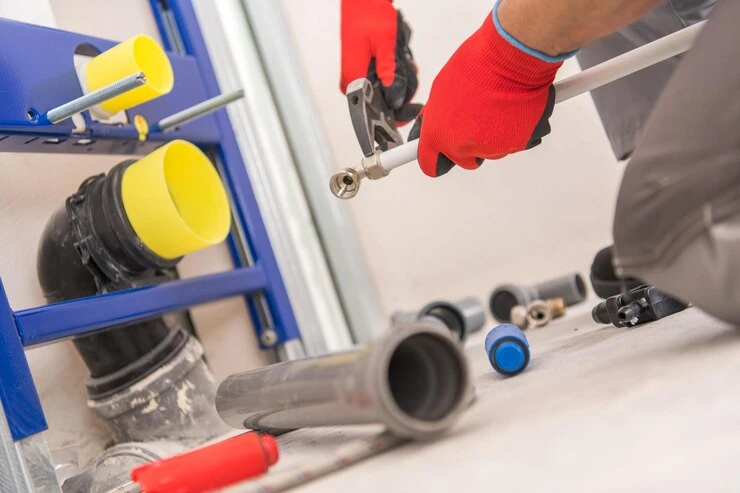
If you’ve experienced multiple leaks in your home, it might be time to consider the dry installation approach when installing new water pipes. This method uses specialized tools and techniques to ensure water pipes are installed securely and without leaks. It can be particularly useful in preventing future issues with hidden leaks.
Summing Up
Spotting a residential water leak early can save you a lot of trouble and expense down the road. By paying attention to changes in your water usage, watching for unusual sounds, and checking for visible signs of damage, you can prevent leaks from becoming bigger problems. If you suspect you have a hidden leak, don’t hesitate to have it inspected and changed by repipe experts to protect your home from damage.


























Sign in to leave a comment.