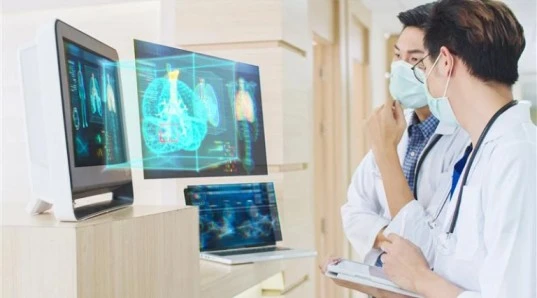

In the rapidly evolving landscape of healthcare, ensuring the safety and security of hospitals has become a top priority. With the advent of Artificial Intelligence (AI) video analytics, healthcare facilities can now leverage advanced technologies to enhance their security measures significantly.
Real-time Threat Detection:
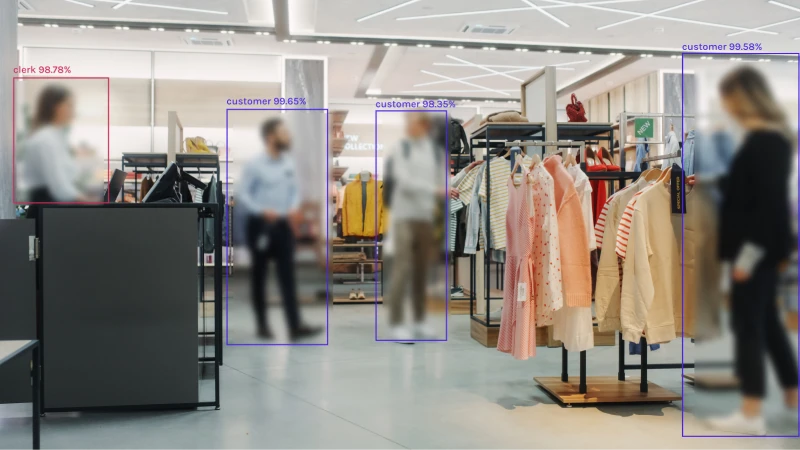
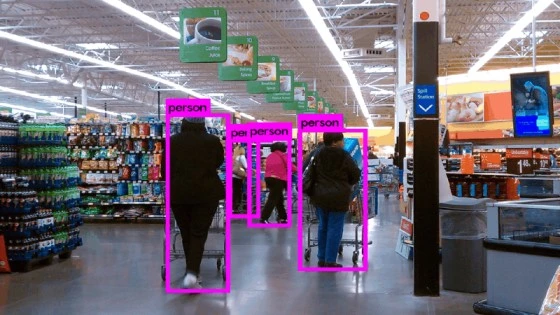
AI video analytics software enables hospitals to achieve real-time threat detection by continuously monitoring surveillance footage. Advanced algorithms can identify and alert security personnel to potential threats, such as unauthorized individuals entering restricted areas or suspicious activities, allowing for swift and proactive responses to mitigate risks.
Anomaly Detection:
Machine learning algorithms can learn and understand the typical patterns of activities within a hospital environment. Any deviation from these patterns, such as unexpected movements or unusual behaviors, can trigger immediate alerts. This proactive approach allows security teams to address potential threats before they escalate.
Facial Recognition for Access Control:
Implementing facial recognition technology enhances access control systems within hospitals. Authorized personnel can gain seamless access to specific areas, while the system immediately identifies and alerts security to any unauthorized individuals. This not only improves overall security but also streamlines daily operations by reducing the reliance on traditional access cards.
Patient and Asset Tracking:
AI video analytics can be employed to track the movement of patients and valuable assets within the hospital premises. This capability ensures that patients are always within designated areas and assists in preventing unauthorized removal of hospital equipment, thereby enhancing patient safety and operational efficiency.
Parking Lot Surveillance:
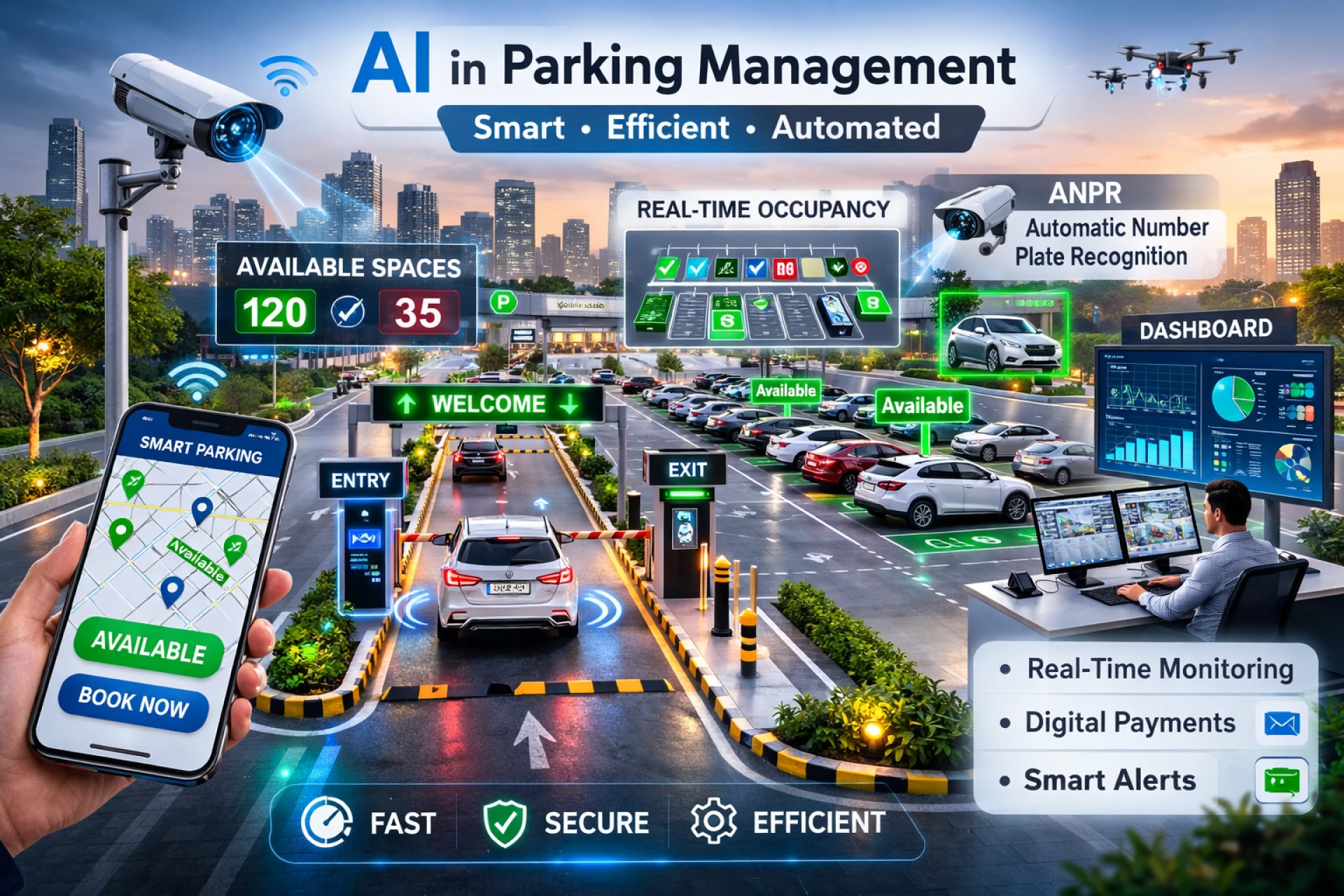
Hospitals often have extensive parking facilities, which can be vulnerable areas for criminal activities. AI video analytics in parking lots can detect suspicious behavior, unauthorized access, or potential security breaches. This helps in creating a safer environment for both staff and visitors.
Emergency Response Optimization:
In the event of emergencies such as fires, accidents, or security breaches, AI video analytics can facilitate quicker response times. By providing real-time information about the nature and location of incidents, security personnel can respond more effectively, potentially saving lives and minimizing damage.
Behavioral Analysis for Violence Prevention:
Identifying signs of aggression or violence in real-time through behavioral analysis can significantly contribute to violence prevention in hospitals. AI algorithms can recognize aggressive gestures, raised voices, or physical altercations, triggering immediate alerts to security personnel who can intervene promptly.
Integration with Other Security Systems:
AI video analytics can seamlessly integrate with other security systems, such as access control, intrusion detection, and alarm systems. This holistic approach ensures that the hospital's security measures work in tandem, creating a comprehensive defense against potential threats.
Forensic Analysis and Investigations:
In the unfortunate event of an incident, AI video analytics provides valuable forensic tools. Security teams can analyze historical footage to reconstruct events, identify culprits, and gather evidence for investigations. This aids law enforcement and hospital security in addressing incidents more effectively.
Conclusion:
AI video surveillance software presents a transformative opportunity for hospitals to elevate their safety and security measures. By leveraging real-time threat detection, anomaly analysis, facial recognition, and other advanced capabilities, healthcare facilities can create a robust security infrastructure. The integration of AI video analytics not only enhances the protection of patients, staff, and assets but also contributes to operational efficiency and emergency response optimization. As hospitals continue to embrace technological advancements, AI video analytics stands out as a key tool in fortifying the security fabric of healthcare institutions, ensuring a safer environment for all stakeholders.
























Sign in to leave a comment.