Losing a tooth can be more than just a cosmetic concern. It can affect your ability to chew properly, impact your speech, and even lead to shifting of adjacent teeth, causing further dental problems. Fortunately, dental bridges offer a reliable and effective solution to restore your smile and functionality, and here in Ipswich, you have access to expert dental care providing this valuable treatment.
What are Dental Bridges ?
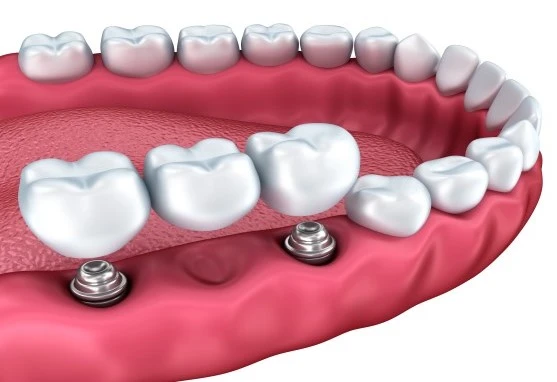
A dental bridge is a fixed (non-removable) appliance used to replace one or more missing teeth. It effectively "bridges" the gap created by the missing tooth or teeth using artificial teeth (pontics) that are anchored to adjacent teeth, called abutment teeth. These abutment teeth are typically crowned to provide a strong and stable foundation for the bridge.
Why Choose a Dental Bridge ?
Dental bridges offer a variety of benefits for those experiencing tooth loss:
- Restores your smile: A missing tooth can significantly impact your confidence. A bridge seamlessly fills the gap, restoring your smile and improving your self-esteem.
- Improves chewing and speaking: Missing teeth can make it difficult to chew food properly and articulate certain words. A bridge restores proper function, making eating and speaking easier.
- Prevents teeth from shifting: When a tooth is missing, the surrounding teeth can shift into the empty space. This can lead to misalignment, bite problems, and an increased risk of decay and gum disease. A bridge helps maintain the proper alignment of your teeth.
- Maintains facial shape: Tooth loss can cause the facial muscles to sag, leading to a drawn or aged appearance. A bridge helps maintain the natural contours of your face.
- Long-lasting solution: With proper care and maintenance, a dental bridge can last for many years, providing a durable and reliable solution for tooth loss.
Types of Dental Bridges Available in Ipswich:
Your dentist in Ipswich will assess your individual needs and recommend the most suitable type of bridge for your situation. Common types include:
- Traditional Bridges: These are the most common type of bridge, consisting of a pontic attached to two crowns that are cemented onto the abutment teeth.
- Cantilever Bridges: These are used when there is only one adjacent abutment tooth to support the pontic.
- Maryland Bridges (Resin-bonded Bridges): These bridges consist of a pontic supported by metal or porcelain wings that are bonded to the back of the adjacent teeth. They require minimal preparation of the abutment teeth.
- Implant-Supported Bridges: These bridges are supported by dental implants instead of natural teeth. They are a more stable and long-lasting option, but require a surgical procedure to place the implants.
The Dental Bridge Procedure in Ipswich:
The process of getting a Dental Bridges Treatment in Ipswich typically involves two or three appointments:
- Initial Consultation and Examination: Your dentist will thoroughly examine your mouth, take X-rays, and discuss your treatment options.
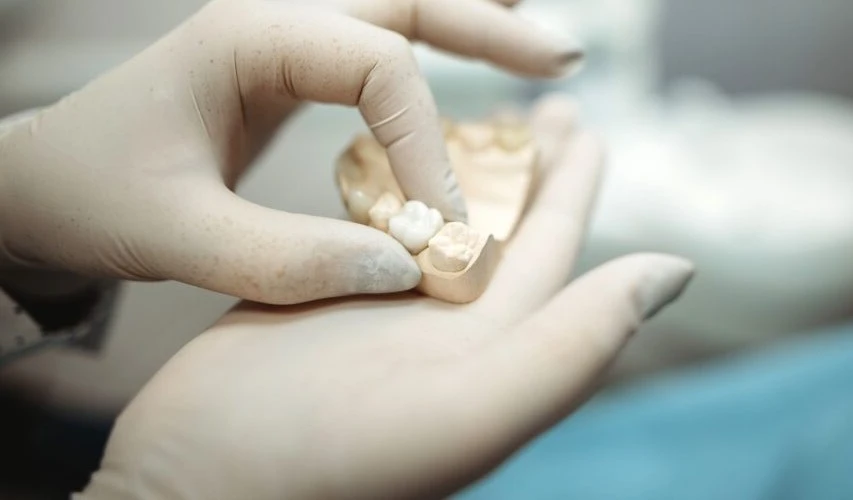
- Preparation of Abutment Teeth: The abutment teeth are prepared by reshaping them to accommodate the crowns. Impressions are taken to create a model of your mouth.
- Fabrication of the Bridge: The model is sent to a dental laboratory where the bridge is custom-made to fit your mouth and match the color of your existing teeth. A temporary bridge may be placed to protect the prepared teeth.
- Cementation of the Bridge: Once the bridge is ready, it is carefully fitted and cemented onto the abutment teeth, restoring your smile and function.
Finding a Dentist for Dental Bridges in Ipswich:
Choosing the right dentist is crucial for a successful Dental Bridges Treatment in Ipswich. Look for a dentist in Ipswich with:
- Experience and Expertise: Choose a dentist with a proven track record in providing dental bridge treatment.
- Modern Technology: A modern dental practice equipped with the latest technology can ensure accurate diagnosis and treatment.
- Personalized Care: Look for a dentist who takes the time to listen to your concerns and provides personalized treatment tailored to your individual needs.
Caring for Your Dental Bridge:
Proper care and maintenance are essential for the longevity of your dental bridge. This includes:
- Brush and floss regularly: Pay special attention to cleaning around the bridge and abutment teeth to prevent plaque and tartar buildup.
- Use a floss threader or interdental brush: This will help you clean under the pontic and between the abutment teeth.
- Visit your dentist for regular checkups and cleanings: Your dentist can monitor the health of your bridge and provide professional cleaning to prevent problems.
- Avoid hard and sticky foods: These can damage the bridge or dislodge it.
Conclusion:
Dental Bridges Treatment in Ipswich offers a reliable and effective solution for restoring your smile and function after tooth loss. If you're considering a dental bridge in Ipswich, consult with a qualified dentist to discuss your options and determine the best treatment plan for your individual needs. With proper care and maintenance, a dental bridge can help you enjoy a healthy, confident smile for years to come.






























Sign in to leave a comment.