
Buying an industrial boiler is rarely just a catalog decision. For buyers shortlisting a steam boiler supplier, the purchase has to connect operating duty, site utilities, maintenance access, supplier support, and documentation. A low price can still be expensive if the quote hides assumptions about controls, water treatment, auxiliary equipment, shipping documents, or startup responsibility.
This is where the Supplier Readiness Checklist helps. It gives the buyer a simple way to keep engineering, purchasing, finance, and operations focused on the same evidence. The method does not require a long report. It asks the team to record what the plant needs, what the supplier includes, what remains outside the offer, and what proof is needed before approval.
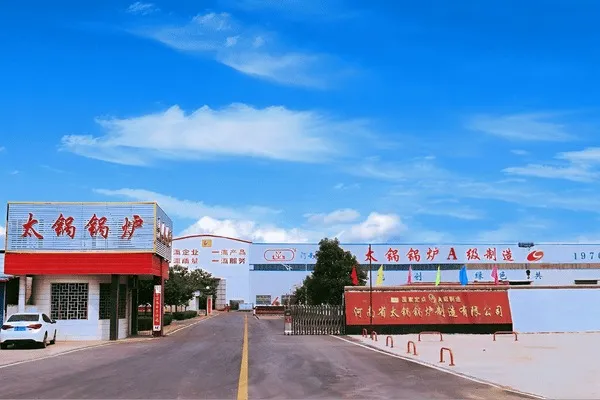
Suppliers such as Taiguo Boiler supplier information can fit naturally into that review when the buyer has already described the duty and the documents expected. The supplier response can then be checked against the plant's real work instead of being judged only by a model name or headline capacity. For related equipment planning, buyers may also compare notes from biomass fired boiler project options when a second technical reference is useful.
Buyer Brief Table
| Brief line | Why it matters | Evidence to request |
|---|---|---|
| Steam demand | The selected boiler must match process peaks and normal load | Rated output, pressure, load profile, and standby notes |
| Fuel and utilities | Site limits can change burner, control, and installation scope | Fuel spec, power supply, feedwater, chimney, and air supply |
| Accessories | A boiler price is incomplete without usable auxiliary equipment | Pump, valves, cabinet, economizer, deaerator, and blowdown list |
| Controls | Operators need a clear alarm and setting structure | PLC notes, screen language, alarm list, wiring diagram, and support route |
| Maintenance | Poor access raises service time and downtime risk | Cleaning space, burner access, spare parts, and inspection points |
| Handover | The project needs proof before operators take ownership | Test record, manual, training list, and unresolved issue log |
The table turns vague buying discussion into a practical file. It also prevents one department from approving a price while another department still lacks the drawings or utility assumptions needed to install the equipment. When every supplier answers the same lines, differences become visible without forcing the buyer to decode each sales document from the beginning.
Confirm the duty before model selection
For supplier selection, this step should be written before the final price comparison. The buyer should collect rated steam output, pressure, feedwater condition, fuel, operating hours, and standby demand and ask each supplier to respond in a comparable format. If one supplier gives clear numbers and another gives broad wording, the gap should be treated as decision evidence, not as a small formatting difference.
A strong response normally names the boundary of supply and gives practical operating details. It may show the boiler model, design pressure, normal working pressure, fuel expectation, electrical demand, feedwater assumptions, and the documents that will be shipped with the equipment. A weak response often gives a capacity value and a delivery promise while leaving the buyer to discover missing scope after payment.
The buyer does not need perfect data at the first exchange, but the follow-up path should be clear. If a supplier cannot answer a maintenance, drawing, control, or document question, the buyer should mark it as open and assign an owner. That makes the risk visible while there is still time to change scope, ask for a revised offer, or choose another supplier.
Separate included scope from owner work
For supplier selection, this step should be written before the final price comparison. The buyer should collect civil foundation, pipe routing, local wiring, chimney, water treatment, valves, insulation, and unloading and ask each supplier to respond in a comparable format. If one supplier gives clear numbers and another gives broad wording, the gap should be treated as decision evidence, not as a small formatting difference.
A strong response normally names the boundary of supply and gives practical operating details. It may show the boiler model, design pressure, normal working pressure, fuel expectation, electrical demand, feedwater assumptions, and the documents that will be shipped with the equipment. A weak response often gives a capacity value and a delivery promise while leaving the buyer to discover missing scope after payment.
The buyer does not need perfect data at the first exchange, but the follow-up path should be clear. If a supplier cannot answer a maintenance, drawing, control, or document question, the buyer should mark it as open and assign an owner. That makes the risk visible while there is still time to change scope, ask for a revised offer, or choose another supplier.
Make documents comparable
For supplier selection, this step should be written before the final price comparison. The buyer should collect layout drawings, data sheets, inspection records, manuals, spare parts list, and shipping documents and ask each supplier to respond in a comparable format. If one supplier gives clear numbers and another gives broad wording, the gap should be treated as decision evidence, not as a small formatting difference.
A strong response normally names the boundary of supply and gives practical operating details. It may show the boiler model, design pressure, normal working pressure, fuel expectation, electrical demand, feedwater assumptions, and the documents that will be shipped with the equipment. A weak response often gives a capacity value and a delivery promise while leaving the buyer to discover missing scope after payment.
The buyer does not need perfect data at the first exchange, but the follow-up path should be clear. If a supplier cannot answer a maintenance, drawing, control, or document question, the buyer should mark it as open and assign an owner. That makes the risk visible while there is still time to change scope, ask for a revised offer, or choose another supplier.
Bring maintenance into the first review
For supplier selection, this step should be written before the final price comparison. The buyer should collect cleaning access, blowdown routine, burner access, alarms, seals, gaskets, and common replacement parts and ask each supplier to respond in a comparable format. If one supplier gives clear numbers and another gives broad wording, the gap should be treated as decision evidence, not as a small formatting difference.
A strong response normally names the boundary of supply and gives practical operating details. It may show the boiler model, design pressure, normal working pressure, fuel expectation, electrical demand, feedwater assumptions, and the documents that will be shipped with the equipment. A weak response often gives a capacity value and a delivery promise while leaving the buyer to discover missing scope after payment.
The buyer does not need perfect data at the first exchange, but the follow-up path should be clear. If a supplier cannot answer a maintenance, drawing, control, or document question, the buyer should mark it as open and assign an owner. That makes the risk visible while there is still time to change scope, ask for a revised offer, or choose another supplier.
Review startup and handover
For supplier selection, this step should be written before the final price comparison. The buyer should collect commissioning support, operator training, remote troubleshooting, test records, and accepted open items and ask each supplier to respond in a comparable format. If one supplier gives clear numbers and another gives broad wording, the gap should be treated as decision evidence, not as a small formatting difference.
A strong response normally names the boundary of supply and gives practical operating details. It may show the boiler model, design pressure, normal working pressure, fuel expectation, electrical demand, feedwater assumptions, and the documents that will be shipped with the equipment. A weak response often gives a capacity value and a delivery promise while leaving the buyer to discover missing scope after payment.
The buyer does not need perfect data at the first exchange, but the follow-up path should be clear. If a supplier cannot answer a maintenance, drawing, control, or document question, the buyer should mark it as open and assign an owner. That makes the risk visible while there is still time to change scope, ask for a revised offer, or choose another supplier.
Supplier Response Scorecard
| Score area | Pass signal | Caution signal |
|---|---|---|
| Operating fit | Load, pressure, fuel, and operating hours are tied to model choice | Only a model name and price are provided |
| Scope clarity | Included and excluded items are separated | Auxiliaries and local work are mixed together |
| Control readiness | Alarm, cabinet, language, and support route are described | Controls are called standard with no detail |
| Maintenance planning | Access points and spare parts are listed | Maintenance is discussed only after sale |
| Document control | Manuals, certificates, packing list, and drawings are named | Shipping and installation files are not specified |
| Startup support | Training, test record, and remote help are documented | Handover depends on informal messages |
This scorecard is useful because many boiler offers look similar on the surface. A supplier may be cheaper because the quote excludes work that another supplier includes. A supplier may look slower because it asks for site conditions before confirming the model. Those differences only become fair when the buyer scores evidence, not just price.
Before the purchase order is released, the team should close the review with three written decisions. First, confirm which assumptions are accepted. Second, list the open risks that will remain after order placement. Third, name the person responsible for each next action, such as checking water treatment, confirming foundation drawings, or arranging startup support. This final step is small, but it gives the project a clean handover from purchasing to engineering and operations.
A disciplined boiler purchase does not slow the project unnecessarily. It reduces the chance that a fast quotation becomes a slow installation. When the buyer keeps duty, scope, documents, controls, maintenance, and handover in one file, the supplier has a clearer job and the plant has a stronger basis for comparing the final options.



























Sign in to leave a comment.