
Finding the right forklift is an important decision for any business involved in warehousing, logistics, manufacturing, or construction. Forklifts are essential for moving materials efficiently and safely, reducing manual labor, and enhancing productivity. However, with so many options available, selecting the best forklift for sale can be a complex process. From understanding different types of forklifts to evaluating features, pricing, and maintenance needs, this guide covers everything a buyer needs to make an informed decision.
Understanding the Role of Forklifts in Modern Businesses
Forklifts play a vital role in a variety of industries by handling heavy materials, stacking goods, and optimizing storage spaces. Whether used indoors in warehouses or outdoors on construction sites, forklifts improve workflow efficiency and contribute to workplace safety.
Why Businesses Need Forklifts
Forklifts are designed to perform tasks that manual labor cannot handle efficiently. They lift, move, and transport goods that are too heavy or bulky for workers to move safely. This not only saves time but also minimizes the risk of injuries and product damage.
Boosting Productivity and Safety
When a business invests in the right forklift, it experiences improved productivity and smoother operations. Forklifts allow for faster movement of materials, efficient loading and unloading, and precise placement of inventory. Their built-in safety features also protect operators and reduce workplace accidents.
Types of Forklifts for Sale
Understanding the different types of forklifts is the first step in selecting the right one. Each type is designed for specific environments and applications, so knowing their strengths helps buyers choose wisely.
Counterbalance Forklifts
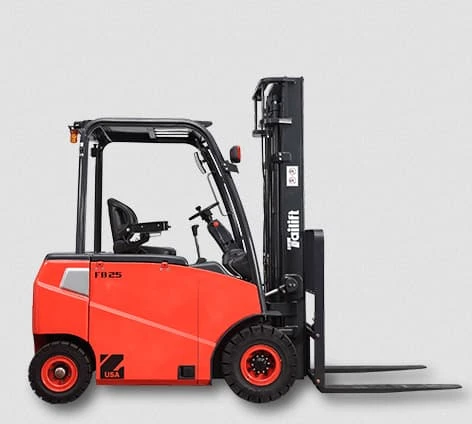
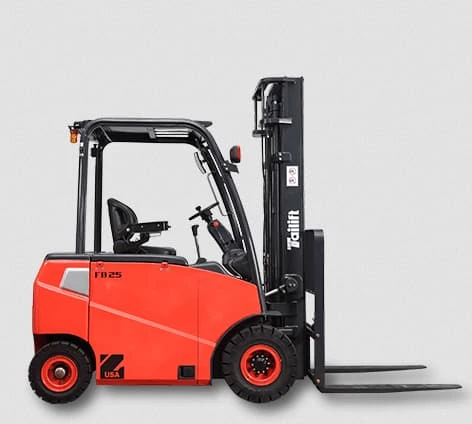
Counterbalance forklifts are among the most commonly used types. They feature a weight at the back of the truck that balances the load lifted in the front. These forklifts are suitable for both indoor and outdoor use and are ideal for loading and unloading pallets, stacking goods, and general warehouse operations.
Reach Trucks
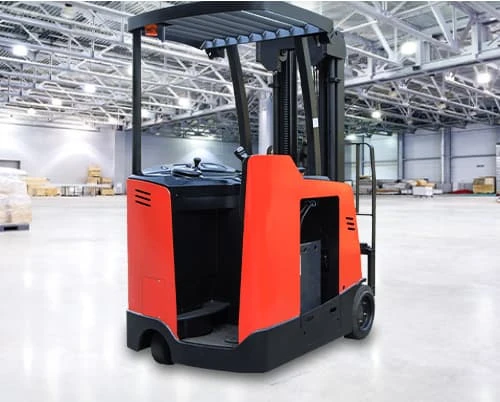
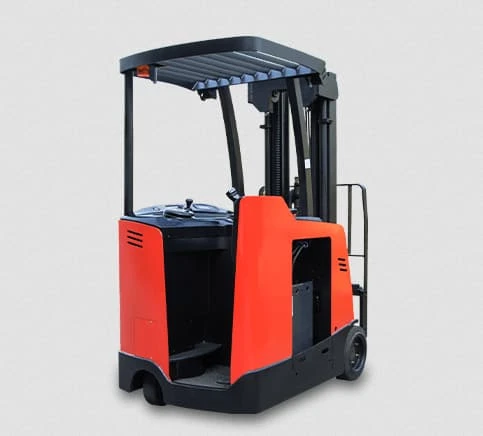
Reach trucks are designed for narrow aisles and high stacking applications. They have extendable forks that can reach into storage racks and lift loads to significant heights. These forklifts are perfect for warehouses with limited floor space and high storage systems.
Pallet Jacks and Walkie Stackers
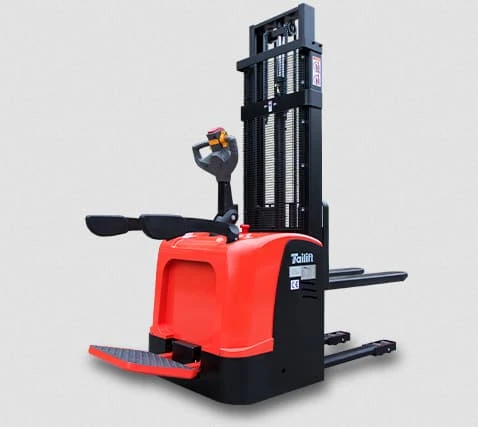
Pallet jacks, also known as pallet trucks, are compact and easy to operate. They are designed for moving lightweight loads over short distances. Walkie stackers offer slightly more functionality, allowing for basic stacking tasks. Both are excellent for small warehouses and retail operations.
Rough Terrain Forklifts
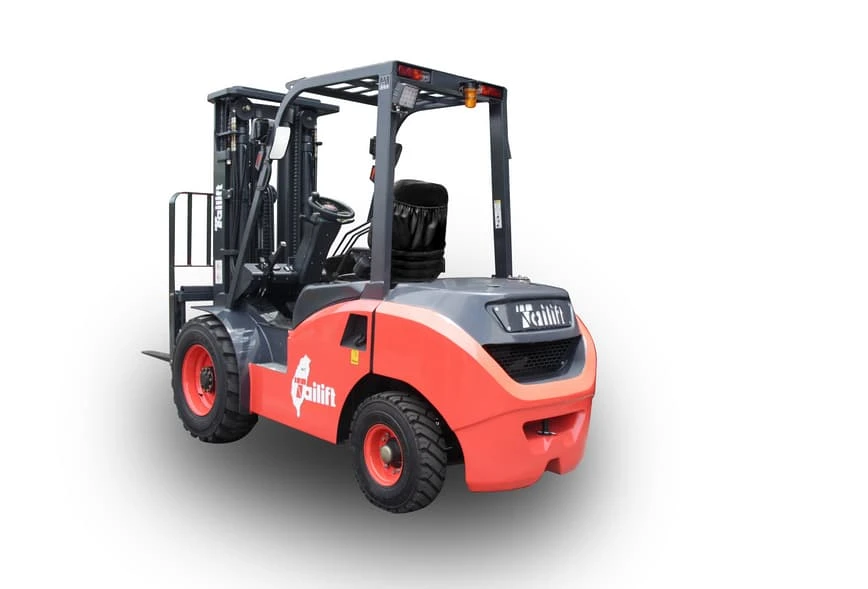
Rough terrain forklifts are built for outdoor use and are capable of handling uneven surfaces and challenging environments. They are commonly used in agriculture, construction, and lumber industries. Their large tires and strong suspension systems provide stability and power on rugged terrain.
Electric Forklifts
Electric forklifts operate on rechargeable batteries and are best suited for indoor use. They are environmentally friendly, produce no emissions, and operate quietly. Businesses that value sustainability and reduced operating noise often prefer electric forklifts.
Internal Combustion Forklifts
Internal combustion forklifts are powered by diesel, gasoline, or propane. They are typically used in outdoor settings or where heavy lifting capacity is required. These forklifts are known for their durability and ability to operate for long hours without needing frequent refueling.
Key Factors to Consider When Buying Forklifts for Sale
Purchasing a forklift involves evaluating several important factors to ensure it fits the operational needs and budget of the business.
Load Capacity
The load capacity of a forklift determines how much weight it can safely lift. Buyers should assess their average and maximum load requirements before making a decision. Choosing a forklift with a higher capacity than needed provides flexibility and safety in daily operations.
Lift Height
Different forklifts come with varying lift height capabilities. Warehouses with tall racking systems need forklifts that can reach higher shelves, while operations that involve only ground-level movement can work with standard lift heights.
Work Environment
The location where the forklift will operate has a direct impact on the type of model required. Indoor environments benefit from electric forklifts that run quietly and emit no fumes, while outdoor areas may need internal combustion or rough terrain models for better traction and power.
Power Source
Buyers should evaluate whether electric, diesel, gasoline, or propane-powered forklifts best suit their operations. Electric models are energy-efficient and ideal for indoor use, while fuel-powered forklifts provide longer operating times and higher torque for demanding applications.
Maneuverability and Space
If the workspace has narrow aisles or tight corners, maneuverability is a key factor. Compact models like reach trucks or three-wheel forklifts are best suited for environments with limited space. They can operate efficiently without compromising safety or speed.
Maintenance and Operating Costs
The total cost of owning a forklift extends beyond its purchase price. Maintenance, battery replacement, fuel, and spare parts all contribute to long-term expenses. Electric forklifts generally have lower maintenance needs, but batteries may require replacement after a few years. Understanding these costs helps buyers plan their budget effectively.
Safety Features
Safety should always be a top priority. Modern forklifts include features such as automatic braking systems, operator restraint mechanisms, and stability control systems. Selecting forklifts equipped with these safety features reduces the risk of accidents and promotes a safer workplace.
Benefits of Buying Forklifts Online
With the growth of e-commerce, many businesses are now searching for forklifts for sale online. This approach offers several advantages over traditional purchasing methods.
Wider Selection
Online marketplaces and dealer websites provide access to a vast range of forklift models, both new and used. Buyers can compare specifications, features, and prices across multiple listings without visiting physical locations.
Convenience
Shopping online allows buyers to browse listings at any time and from any location. This flexibility helps businesses make informed decisions without disrupting their daily operations.
Transparent Comparisons
Online listings often include detailed product descriptions, photos, and customer reviews. These details help buyers compare different forklifts and choose one that best fits their needs.
Potential Cost Savings
Many online platforms offer competitive pricing and promotions on forklifts for sale. Buyers can take advantage of discounts and financing options that may not be available through local dealerships.
How to Evaluate Forklift Listings
Finding forklifts for sale online is easy, but choosing the right one requires careful evaluation of each listing.
Check Seller Credibility
Always verify the reputation of the seller before proceeding with a purchase. Trusted platforms and authorized dealers often display customer feedback, ratings, and business verification details.
Review Equipment Specifications
Each listing should provide essential information such as lift capacity, fuel type, tire condition, and operating hours. Comparing these details helps ensure that the forklift matches the intended application.
Inspect Photos and Documentation
Detailed photos and maintenance records are important indicators of the equipment’s condition. Buyers should request recent images and service history to confirm that the forklift is in good working order.
Compare Prices
Pricing should be consistent with market averages. If a listing appears significantly cheaper than others, it is worth investigating the reason behind it. A fair comparison across multiple platforms ensures better value for money.
Common Mistakes to Avoid When Buying a Forklift
Even experienced buyers can make errors that lead to costly purchases. Avoiding these common mistakes can make the buying process smoother and more effective.
Ignoring Maintenance Records
Neglecting to check a forklift’s maintenance history can result in purchasing a machine with hidden issues. Always ask for maintenance logs and inspection reports before finalizing a deal.
Focusing Solely on Price
While cost is important, choosing the cheapest option can lead to reliability and performance issues later. The goal should be to balance affordability with quality and long-term dependability.
Skipping Professional Advice
Consulting with experts or trained operators can provide valuable insights into what type of forklift best suits the business. Their experience can help prevent poor purchasing decisions.
Maintaining Forklifts After Purchase
Once a forklift is purchased, proper maintenance ensures it operates safely and efficiently for years.
Routine Inspections
Regularly inspecting key components such as brakes, tires, and hydraulics prevents major issues and extends the life of the equipment.
Scheduled Servicing
Following the manufacturer’s recommended service intervals keeps the forklift in optimal condition and reduces the risk of costly repairs.
Operator Training
Ensuring that all forklift operators are trained and certified helps maintain safety and efficiency. Trained operators can detect early warning signs of mechanical issues and prevent misuse.
Conclusion
Buying the right forklift is a strategic investment that directly impacts a business’s productivity and safety. By understanding the different types of forklifts, evaluating key factors such as load capacity and environment, and researching trustworthy listings, businesses can make confident purchasing decisions. A well-chosen forklift enhances workflow, ensures safety, and provides long-term value. For reliable guidance and high-quality forklift solutions, Tailift Material Handling USA Inc stands ready to support businesses with expertise and dependable equipment tailored to their operational needs.



























Sign in to leave a comment.