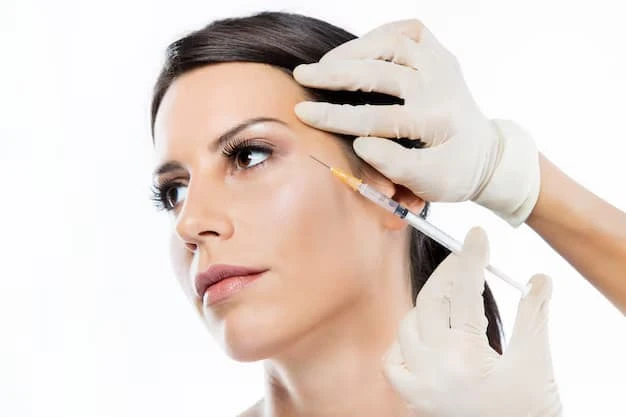

Excessive sweating, medically known as hyperhidrosis, can be a challenging condition that affects daily comfort, confidence, and quality of life. For many individuals, standard solutions such as antiperspirants or lifestyle changes are not enough to control the problem. In recent years, botox for hyperhidrosis has emerged as a highly effective, non surgical treatment option that offers long lasting relief. This complete guide explains what hyperhidrosis is, how botox works to reduce sweating, and what individuals can expect from the treatment.
Understanding Hyperhidrosis
What Is Hyperhidrosis?
Hyperhidrosis is a condition characterised by excessive sweating that goes beyond what is needed to regulate body temperature. It can occur even in cool environments or without physical activity, often disrupting everyday life.
Common Areas Affected
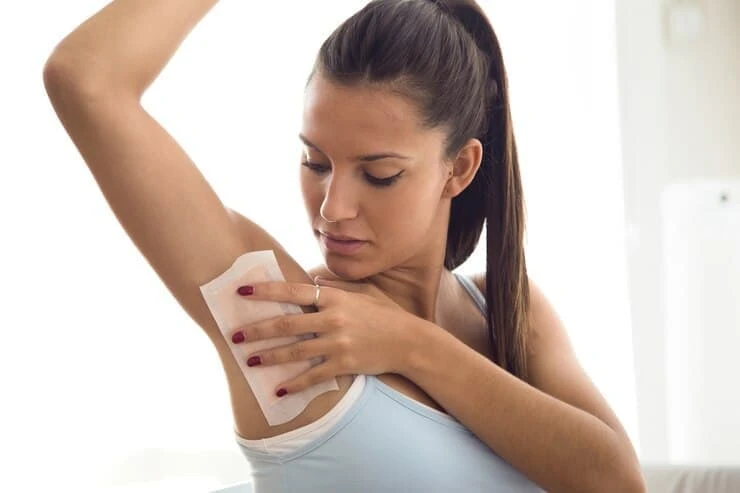
The most frequently affected areas include the underarms, palms of the hands, soles of the feet, face, and scalp. These regions contain a high concentration of sweat glands, making them prone to overactivity.
Causes of Excessive Sweating
Hyperhidrosis can be primary or secondary. Primary hyperhidrosis usually begins in childhood or adolescence and has no identifiable medical cause. Secondary hyperhidrosis may result from underlying health conditions or medications.
Impact on Daily Life
Living with excessive sweating can lead to embarrassment, social anxiety, and practical challenges such as stained clothing or difficulty handling objects. Effective treatment can significantly improve wellbeing.
What Is Botox for Hyperhidrosis?
Understanding the Treatment
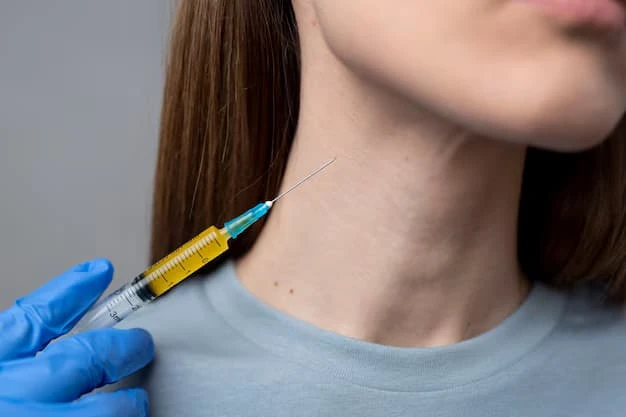
Botox for hyperhidrosis involves injecting small amounts of botulinum toxin into the affected areas of the skin. The substance works by blocking the nerve signals that stimulate sweat glands, thereby reducing sweat production.
Why Botox Is Effective
Botulinum toxin has the ability to interrupt communication between nerves and glands. When these signals are blocked, sweat glands become less active, resulting in noticeable dryness in treated areas.
Approved and Widely Used
Botox has been widely used in both medical and aesthetic treatments for many years. Its application for excessive sweating is well established and supported by clinical research.
How Botox for Hyperhidrosis Works
The Role of Nerve Signals
Sweating is controlled by nerves that release a chemical messenger to activate sweat glands. In hyperhidrosis, these signals are overactive.
Blocking Sweat Production
When botox is injected into the skin, it temporarily prevents the release of this chemical messenger. As a result, the sweat glands in that area are unable to produce excessive sweat.
Localised Effect
The treatment works only in the areas where it is injected, leaving the rest of the body to regulate temperature normally.
Benefits of Botox for Hyperhidrosis
Significant Sweat Reduction
Most individuals experience a dramatic decrease in sweating, often within a few days of treatment.
Improved Comfort and Confidence
Dryer skin can lead to greater comfort in daily activities and a boost in self confidence.
Non Surgical and Minimally Invasive
The procedure does not involve surgery, making it a convenient option with minimal disruption to daily life.
Long Lasting Results
Results typically last between four and six months, and sometimes longer, depending on individual response.
Quick Treatment Sessions
The procedure can usually be completed within thirty to forty five minutes, making it easy to fit into a busy schedule.
Who Is an Ideal Candidate?
Individuals with Persistent Excessive Sweating
Those who have not found relief from strong antiperspirants or other conservative measures may benefit most.
Primary Hyperhidrosis Sufferers
People with primary hyperhidrosis, where no underlying cause is found, often respond very well to treatment.
Good General Health
Candidates should be in good overall health and not have conditions that interfere with neuromuscular function.
Realistic Expectations
Understanding that the treatment reduces sweating rather than stopping it completely helps ensure satisfaction.
The Botox for Hyperhidrosis Treatment Process
Initial Consultation
A detailed consultation is the first step. The practitioner assesses the affected areas, discusses medical history, and confirms suitability for treatment.
Mapping the Treatment Area
In some cases, a simple test may be used to identify the most active sweat glands, ensuring precise placement of injections.
Preparation for Injections
The skin is cleaned thoroughly, and a topical numbing agent may be applied to reduce discomfort.
The Injection Procedure
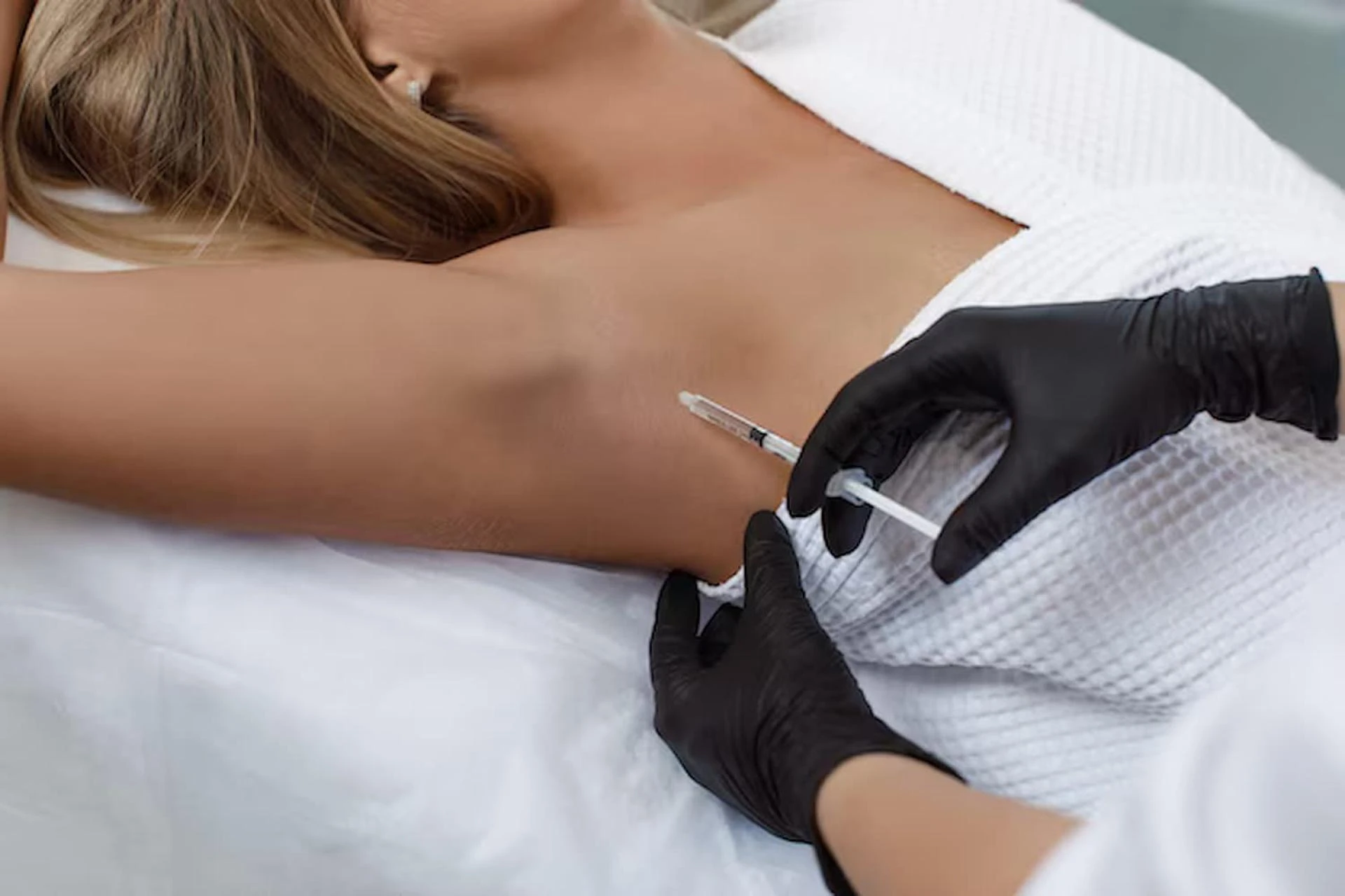
Using a fine needle, small amounts of botox are injected just beneath the skin at multiple points across the affected area. The number of injections depends on the size of the area being treated.
Duration of the Session
The procedure usually takes between thirty and forty five minutes.
After the Treatment
Patients can typically return to normal activities straight away, with only minor temporary side effects.
Results and What to Expect
Onset of Results
Sweat reduction usually begins within two to seven days after treatment, with full results seen within two weeks.
Degree of Improvement
Many individuals experience a reduction in sweating of up to eighty to ninety percent in the treated area.
Longevity of Results
Results from botox for hyperhidrosis generally last four to six months. Over time, nerve signals gradually return, and sweating may increase again.
Repeat Treatments
Regular maintenance sessions can help maintain dryness and comfort throughout the year.
Safety and Potential Side Effects
Common Side Effects
Temporary redness, swelling, mild bruising, or tenderness at injection sites are common and usually resolve within a few days.
Area Specific Effects
For treatments on the palms or soles, temporary muscle weakness may occur but is usually mild and short lived.
Rare Complications
Serious side effects are rare when the treatment is performed by a qualified and experienced professional.
Importance of Professional Expertise
Choosing a skilled practitioner ensures correct dosage, placement, and reduced risk of complications.
Aftercare and Recovery
Immediate Aftercare Advice
Patients are often advised to avoid strenuous exercise, heat exposure, and massaging the treated area for at least twenty four hours.
Skin Care
Gentle cleansing is recommended, and harsh products should be avoided for a short period.
Monitoring Results
It is helpful to monitor sweat reduction over the following weeks and report any concerns during follow up.
When to Resume Normal Activities
Most people can resume daily routines immediately, with no significant downtime required.
Comparing Botox for Hyperhidrosis to Other Treatments
Antiperspirants and Topical Treatments
While strong antiperspirants can help mild cases, they are often ineffective for moderate to severe hyperhidrosis.
Oral Medications
Some medications reduce sweating but may cause unwanted side effects, limiting long term use.
Iontophoresis
This technique uses electrical currents to reduce sweating in hands and feet but requires frequent sessions.
Surgical Options
Surgery is usually reserved for severe cases and carries higher risks. Botox offers a safer, reversible alternative.
Cost Considerations
Factors Affecting Cost
The cost depends on the size of the area treated, the amount of product required, and practitioner expertise.
Value of Effective Treatment
While it may be more expensive than topical solutions, the significant improvement in quality of life often makes it worthwhile.
Transparent Consultations
Clear discussion of pricing during consultation helps individuals make informed decisions.
Making an Informed Choice
Importance of Accurate Diagnosis
Ensuring that sweating is due to hyperhidrosis and not another medical condition is essential before treatment.
Asking the Right Questions
Open communication during consultation helps build trust and clarity about expected results.
Setting Realistic Expectations
Understanding the temporary nature of results ensures satisfaction with ongoing maintenance.
Choosing Qualified Professionals
Selecting experienced practitioners is key to safe and effective outcomes.
Conclusion
Botox for hyperhidrosis has become a trusted and effective solution for managing excessive sweating and improving quality of life. By targeting overactive sweat glands, it offers significant and long lasting relief with minimal downtime and a strong safety profile. With proper assessment, expert application, and realistic expectations, individuals can enjoy greater comfort and renewed confidence in daily activities. For those seeking professional care and reliable results in managing excessive sweating, AL Aesthetics remains dedicated to providing high standards of treatment and patient focused support.























Sign in to leave a comment.