

Businesses across different industries are under growing pressure to maintain quality standards, improve operational efficiency, and build customer trust. This is one reason why many organizations invest in ISO certification services to meet internationally recognized compliance requirements. Whether a company operates in manufacturing, healthcare, information technology, logistics, or retail, obtaining ISO certification can support long-term growth and credibility.
However, choosing the right certification provider is just as important as obtaining the certification itself. A reliable ISO certification partner can simplify the process, reduce compliance risks, and help businesses achieve certification without unnecessary delays or confusion. This guide explains how to identify dependable ISO certification services and what factors should be considered before making a decision.
Understanding ISO Certification and Its Importance
ISO stands for the International Organization for Standardization, an independent body that develops standards to improve quality, safety, efficiency, and consistency across industries worldwide.
Different ISO standards focus on specific business functions, including:
- ISO 9001 for Quality Management Systems
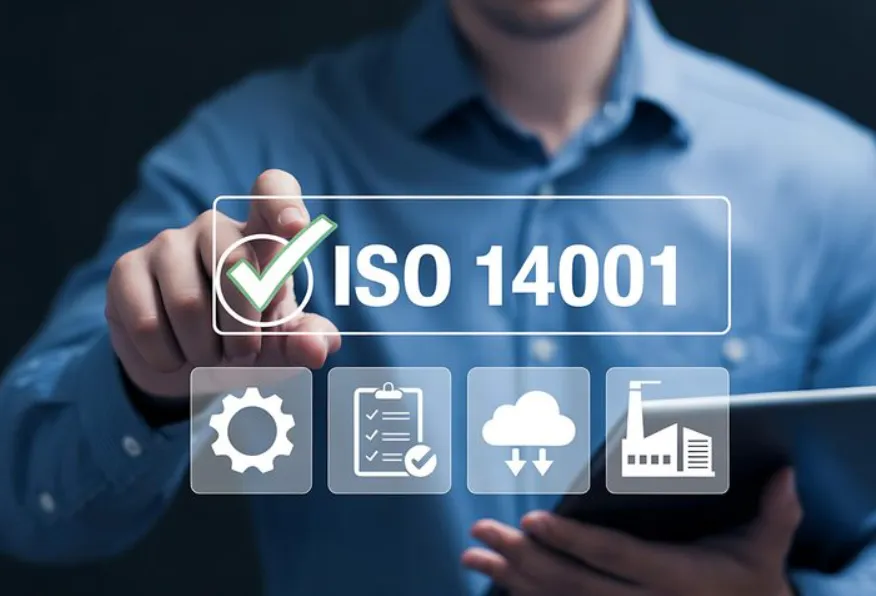
- ISO 14001 for Environmental Management
- ISO 27001 for Information Security Management
- ISO 45001 for Occupational Health and Safety
- ISO 22000 for Food Safety Management
Organizations seek ISO certification to improve internal processes, meet customer expectations, qualify for contracts, and strengthen their market reputation. Certification also demonstrates that a business follows internationally accepted operational standards.
Why Choosing the Right ISO Certification Provider Matters
Many companies assume all certification providers offer the same level of service, but this is not always true. Some providers offer comprehensive support and industry expertise, while others may provide limited guidance or unclear processes.
Choosing a reliable certification partner matters because the certification process often involves:
- Gap assessments
- Documentation reviews
- Internal audits
- Compliance training
- Corrective action planning
- Final certification audits
An experienced provider can help businesses navigate each step smoothly while minimizing disruptions to day-to-day operations.
Check Accreditation and Credibility
One of the first things businesses should verify is whether the certification body is accredited by a recognized accreditation authority. Accreditation confirms that the certification provider follows internationally accepted auditing and certification practices.
Without proper accreditation, a certification may not hold value with clients, regulators, or international partners.
When evaluating a provider, look for:
- Recognized accreditation affiliations
- Transparent certification processes
- Valid auditor credentials
- Clear audit methodologies
- Publicly available company information
Businesses should also verify whether the provider has experience working with organizations in their specific industry.
Evaluate Industry Experience
Different industries face different compliance challenges. A manufacturing company has different operational risks than a healthcare organization or a software company.
A provider with industry-specific expertise can better understand:
- Regulatory requirements
- Operational processes
- Documentation standards
- Industry risks
- Compliance expectations
For example, an IT company seeking ISO 27001 certification may benefit from auditors who understand cybersecurity frameworks and data protection requirements. Similarly, a food manufacturing business should work with professionals familiar with food safety management systems.
Experienced certification providers can often identify practical improvements rather than offering generic recommendations.
Review the Scope of Services Offered
Reliable ISO certification companies usually provide more than just the final audit. Many organizations need support before certification to prepare documentation, improve systems, and train staff members.
Some useful services may include:
Gap Analysis
A gap analysis identifies areas where current operations fail to meet ISO requirements. This allows businesses to address weaknesses before the official audit.
Documentation Support
ISO standards often require structured documentation, including policies, procedures, manuals, and records. Good providers help businesses organize these materials efficiently.
Employee Training
Training employees on ISO requirements improves compliance and helps organizations maintain standards after certification.
Internal Audits
Internal audits allow companies to identify issues before the external certification audit takes place.
Ongoing Compliance Assistance
Some providers continue supporting businesses after certification through surveillance audits and system updates.
Choosing a provider that offers complete support can reduce stress and improve certification outcomes.
Assess Transparency in Pricing
ISO certification costs can vary depending on:
- Company size
- Number of employees
- Business complexity
- Scope of certification
- Number of locations
- Industry requirements
Reliable providers explain their pricing structure clearly and provide detailed quotations without hidden charges.
Businesses should avoid companies that promise unrealistically low prices or guaranteed certification without proper audits. Genuine certification requires thorough assessments and compliance verification.
Before signing an agreement, ask for a detailed breakdown of:
- Audit fees
- Documentation support costs
- Travel expenses
- Annual surveillance fees
- Renewal costs
Transparent pricing helps businesses plan their budgets more effectively.
Look for Strong Communication and Support
The certification process can involve multiple stages, deadlines, and documentation requirements. Poor communication from a certification provider can create confusion and delays.
Reliable providers maintain consistent communication throughout the process by:
- Responding promptly to questions
- Explaining technical requirements clearly
- Providing realistic timelines
- Offering practical recommendations
- Keeping businesses informed about audit schedules
A responsive support team can make the certification process significantly easier, especially for organizations obtaining ISO certification for the first time.
Read Reviews and Client Testimonials
Client feedback can provide valuable insight into a certification provider’s professionalism and service quality.
Look for reviews that mention:
- Audit quality
- Responsiveness
- Professional behavior
- Industry expertise
- Timeliness
- Ease of certification process
Independent review platforms, business directories, and case studies can help businesses evaluate whether a provider has a reliable reputation.
Consistent positive feedback usually indicates dependable service standards.
Consider Global Recognition
Some businesses operate internationally or work with overseas clients. In these cases, choosing a globally recognized certification body becomes especially important.
Internationally respected certifications can help organizations:
- Enter new markets
- Build trust with global clients
- Improve supplier relationships
- Meet international contract requirements
A globally recognized provider also ensures the certification is widely accepted across industries and countries.
Understand the Certification Timeline
Businesses should ask providers for realistic timelines based on their organization’s readiness level.
The certification timeline often depends on:
- Existing compliance systems
- Documentation quality
- Employee training status
- Business complexity
- Number of operational sites
Reliable providers avoid unrealistic promises and instead focus on structured preparation and compliance improvement.
Organizations should be cautious of providers offering extremely fast certification without proper audits, as this may compromise credibility.
Importance of Post-Certification Support
Obtaining ISO certification is not the final step. Most ISO certifications require ongoing surveillance audits and periodic renewals.
Post-certification support may include:
- Compliance monitoring
- Audit preparation
- Process improvement guidance
- Documentation updates
- Regulatory change management
Long-term support helps businesses maintain compliance and continue improving operational standards.
Choosing a provider that offers continued assistance can save time and reduce future compliance risks.
Questions to Ask Before Hiring an ISO Certification Provider
Before selecting a provider, businesses should ask several important questions:
- Is the certification body accredited?
- What industries do you specialize in?
- What support services are included?
- How long does the certification process usually take?
- What are the total costs involved?
- Will you provide post-certification support?
- Can you share client references or case studies?
- How are audits conducted?
- What documentation is required?
- What happens if non-conformities are identified?
These questions can help organizations make informed decisions and avoid unreliable providers.
Final Thoughts
Choosing the right ISO certification provider requires careful research, transparency, and attention to long-term business goals. A dependable certification partner should offer clear guidance, industry expertise, accredited services, and ongoing support throughout the certification journey.
Businesses that invest time in selecting the right provider often experience smoother audits, better compliance management, improved operational efficiency, and stronger customer confidence. Whether a company is pursuing ISO 9001, ISO 27001, ISO 14001, or another standard, working with knowledgeable professionals can make a substantial difference in achieving successful results.
Organizations looking for reliable compliance assistance should consider working with experienced ISO certification experts Australia to ensure internationally recognized certification standards and long-term business credibility.
Frequently Asked Questions (FAQs)
What is ISO certification?
ISO certification is an official recognition that a business complies with international standards related to quality, safety, security, environmental management, or operational efficiency.
How long does ISO certification take?
The timeline varies depending on the size and complexity of the business. Some organizations complete the process within a few months, while others may take longer based on preparation needs.
Why is accreditation important in ISO certification?
Accreditation ensures that the certification body follows recognized international auditing practices. Accredited certifications carry greater credibility and acceptance.
Can small businesses apply for ISO certification?
Yes, businesses of all sizes can apply for ISO certification. Many ISO standards are designed to be flexible and scalable for small, medium, and large organizations.
How much does ISO certification cost?
Costs depend on factors such as company size, industry, number of locations, and certification scope. Businesses should request detailed quotations from providers before proceeding.
Is ISO certification mandatory?
ISO certification is generally voluntary, but some industries, contracts, or clients may require it as part of business agreements or regulatory expectations.
How often are ISO audits conducted?
After initial certification, businesses usually undergo surveillance audits annually and full recertification audits every few years, depending on the standard.
What happens if a company fails an ISO audit?
If non-conformities are identified, the organization is typically given time to correct the issues before certification can be granted or maintained.






















Sign in to leave a comment.