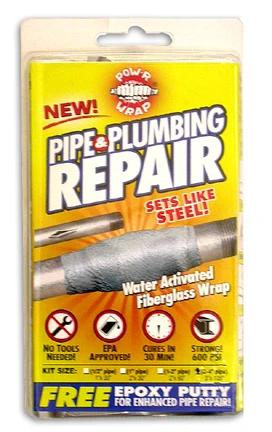

Pipes rarely fail at a convenient time. A small leak can quickly turn into water damage stress and costly repairs. Many people search for a fast reliable fix that does not require cutting pipes or shutting systems down for long hours. That is where practical repair solutions matter.
This guide explains how a pipe repair bandage works and how to choose the right one for your needs. The goal is to help you make a confident decision when a pipe problem shows up without warning.
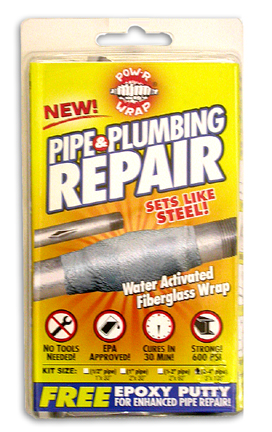
Common Pipe Problems and Quick Fixes
Most pipe issues start small. Hairline cracks, pinhole leaks, and weak joints are common in both old and new systems. These problems often come from pressure changes, corrosion or simple wear over time. Waiting too long can lead to larger failures and higher repair costs. Many people want a solution that works fast and holds strong.
A repair bandage offers a simple way to seal leaks without heavy tools or special skills. It wraps around the damaged area and forms a tight seal that stops leaks and supports the pipe. This approach works well for emergency repairs and planned maintenance when replacing the pipe is not an option.
What Makes a Pipe Repair Bandage Effective
Not all repair products deliver the same results. The strength of a pipe bandage depends on its material and design. High quality options use strong fibers and resins that harden after application. Once set the bandage forms a solid layer around the pipe. It resists pressure, heat and moisture. Flexibility also matters because pipes expand and contract.
A good bandage adapts to these changes without cracking. Ease of use is another key factor. Clear instructions and quick curing time help users fix leaks without stress. These features make the solution reliable for homes, factories and outdoor systems.
How to Choose the Right Option for Your Needs
Choosing the right pipe bandage starts with understanding your pipe. Check the pipe material such as metal or plastic. Measure the pipe diameter and note the size of the damaged area. Consider the operating conditions including pressure and temperature.
Some bandages work better for high pressure lines while others suit low pressure systems. Think about whether the repair is temporary or long term. Many modern options are designed to last for years when applied correctly. Reading product details and usage guidelines helps avoid mistakes. The right choice saves time, money, and future repairs.
Application Tips for Long Lasting Results
Proper application is just as important as product choice. Always clean the pipe surface before applying the bandage. Remove rust dirt and moisture so the material bonds well. Follow the instructions step by step and wrap the bandage tightly and evenly. Overlapping layers improve strength and coverage.
Allow enough curing time before restoring full pressure. Rushing this step can weaken the seal. When done correctly the repair holds firm and restores confidence in the system. This process does not require advanced skills which makes it ideal for quick response situations.
The Bottom Line
Choosing the right pipe repair bandage brings peace of mind when leaks strike. It offers a practical solution that saves time, avoids major disruption, and extends pipe life. With the right product and proper application you can stop leaks fast and protect your system from further damage.
For anyone seeking a dependable and efficient repair method this solution stands out as a smart investment. It combines strength ease and long term value making it a trusted choice for effective pipe care.



























Sign in to leave a comment.