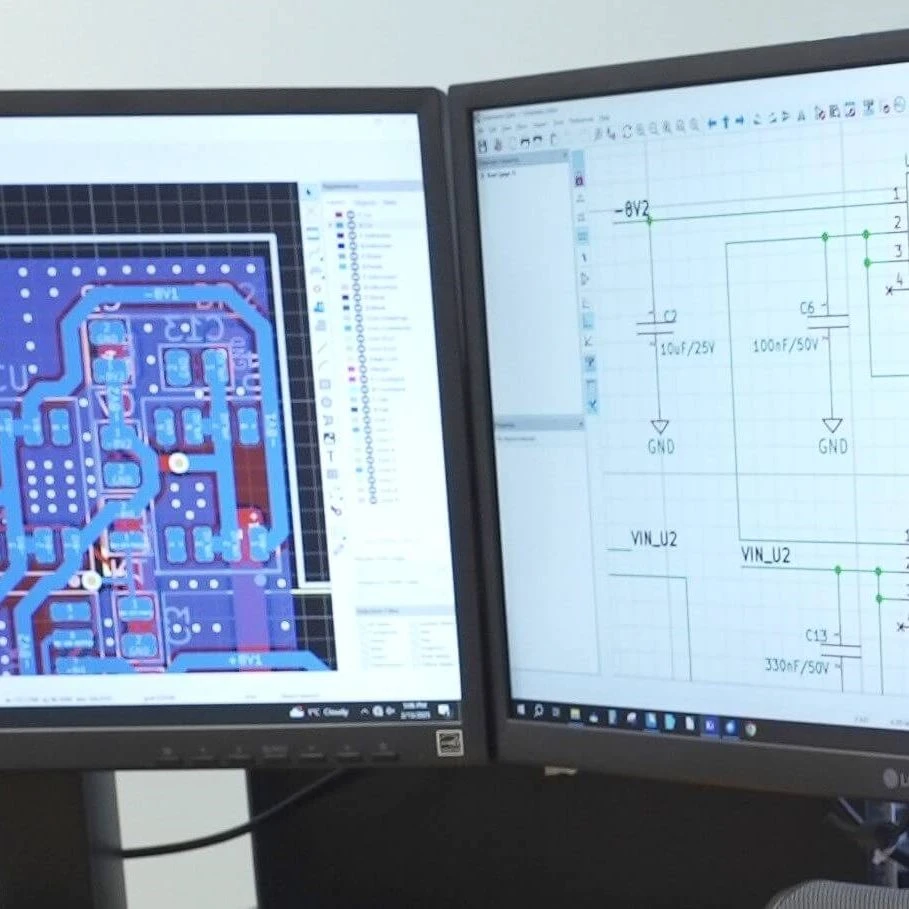

The electronics industry continues to evolve rapidly, with increasing demand for compact, efficient, and high-performance devices across consumer, industrial, automotive, medical, and telecommunications sectors. At the heart of every successful electronic product lies a well-executed electronic manufacturing design process. This process ensures that concepts are transformed into fully functional, manufacturable, and market-ready products. From early-stage prototyping to final production, electronic manufacturing design is essential for reducing risks, minimizing costs, and achieving long-term product reliability.
What Is Electronic Manufacturing Design?
Electronic manufacturing design refers to the complete engineering process that involves planning, developing, testing, and optimizing electronic products before they move into full-scale production. It includes key elements such as circuit design, component selection, PCB layout, mechanical integration, and manufacturability analysis.
Today, many brands rely on experienced partners specializing in electronic manufacturing design to accelerate product development, reduce errors, and ensure that every design meets industry standards. These specialists bridge the gap between concept and mass production, ensuring a smoother path from idea to reality.
Key Stages of the Electronic Manufacturing Design Process
Electronic manufacturing design involves multiple stages that work together to create an efficient and functional electronic product.
1. Requirements Analysis
The design process begins with a detailed understanding of product goals, performance expectations, regulatory requirements, and environmental conditions. This phase involves:
- Functional specifications
- Power requirements
- Safety standards
- Physical constraints
- Target market and cost considerations
A strong requirements analysis ensures that every subsequent stage aligns with the product’s overall objectives.
2. Circuit Design and Component Selection
Once the requirements are defined, engineers develop the electronic circuits that form the backbone of the product. This step includes:
- Schematic design
- Component sourcing
- Power management planning
- Signal integrity considerations
Selecting the right components is critical to ensuring reliability, longevity, and supply chain stability.
3. PCB Layout and Design
The printed circuit board (PCB) layout is a key stage in electronic manufacturing design. Engineers determine the placement of components, routing of electrical connections, and thermal management strategy. PCB layout affects:
- Electrical performance
- Heat dissipation
- EMI/EMC compliance
- Physical size and shape
- Production efficiency
Advanced design tools and simulations help engineers optimize the board for manufacturability and performance.
4. Mechanical Design Integration
Electronic products must fit within precise mechanical enclosures. Mechanical design covers:
- Housing structure
- Mounting points
- Thermal solutions
- User interface components
- Durability under stress
This stage ensures seamless integration of PCBs, connectors, batteries, and other mechanical elements.
5. Prototyping and Testing
Prototyping is essential for validating design decisions. During this stage, engineers test functional prototypes to identify potential issues before mass production. Typical tests include:
- Electrical performance testing
- Thermal and environmental testing
- Mechanical stress testing
- Functional verification
- Safety compliance checks
Prototyping helps uncover design flaws early, reducing costly revisions later.
6. Design for Manufacturability (DFM)
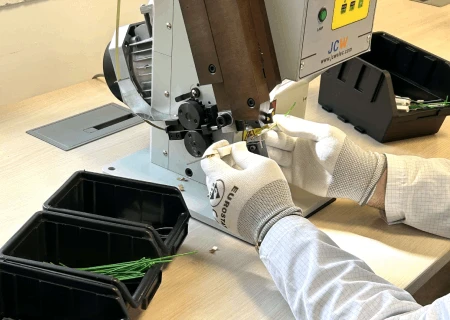
Design for Manufacturability ensures that the product can be manufactured efficiently, cost-effectively, and with minimal defects. This includes optimizing:
- PCB layout for automated assembly
- Component spacing for pick-and-place machines
- Solder joint reliability
- Assembly workflow
- Material selection
DFM reduces production challenges and improves yield rates.
7. Compliance and Certification
Electronic products must meet regulatory standards depending on the target market. Compliance testing may include:
- EMC/EMI testing
- Safety certification
- Environmental compliance (RoHS, REACH)
- Industry-specific standards
Ensuring compliance early avoids delays during production and market release.
Importance of Professional Electronic Manufacturing Design
A well-executed electronic manufacturing design process delivers numerous advantages.
Improved Product Quality
Optimized design ensures high performance, long-term reliability, and lower failure rates.
Faster Time to Market
Professional design teams streamline the development process, accelerating product launch schedules.
Cost Reduction
Early design optimization helps avoid expensive redesigns, reduces production waste, and improves manufacturing efficiency.
Risk Minimization
Testing and validation at every stage reduce technical risks and ensure regulatory compliance.
Customization and Innovation
Design teams bring experience across multiple sectors, enabling advanced features and innovative solutions.
Industries That Benefit from Electronic Manufacturing Design
Electronic manufacturing design is essential across a wide range of industries.
Consumer Electronics
Wearables, smart home devices, entertainment systems, and personal gadgets depend on efficient design.
Automotive Electronics
Power modules, sensor systems, EV components, and safety electronics require high-reliability design.
Industrial Automation
Robotics, controllers, PLCs, and sensor systems rely on robust engineering and rugged design.
Medical Devices
Precision, reliability, and safety make professional design crucial for diagnostic and monitoring equipment.
Telecommunications and Networking
Routers, IoT modules, antennas, and communication systems rely heavily on optimized electronic design.
Conclusion
The electronic manufacturing design process plays a vital role in ensuring that modern electronic products are reliable, efficient, and manufacturable at scale. By integrating engineering expertise, advanced design tools, prototyping, and extensive testing, manufacturers can bring innovative products to market faster and with greater confidence. Partnering with specialists in electronic manufacturing design helps businesses achieve superior product performance, cost efficiency, and long-term success.





















Sign in to leave a comment.