
In today’s world of increasingly complex electronic systems, the demand for reliable interconnect solutions has never been greater. Industries ranging from automotive and aerospace to consumer electronics rely on sophisticated wiring systems to ensure safe and efficient performance. Among these essential systems, cable and wire harness assembly plays a critical role in connecting electrical and electronic components with precision, durability, and efficiency. This article explores what cable and wire harness assemblies are, how they are made, and why they matter in modern manufacturing.
What Is Cable and Wire Harness Assembly?
A cable and wire harness assembly is an organized bundle of wires, cables, connectors, terminals, and protective sleeves designed to transmit electrical power or signals across various components. Instead of loose wires running independently inside a device or machine, harnesses keep them structured, shielded, and easy to install.
These assemblies are widely used in:
- Automobiles and electric vehicles
- Industrial machinery
- Aerospace and defense equipment
- Household appliances
- Medical devices
- Telecommunications systems
By grouping wires into a neat and consolidated form, manufacturers significantly reduce installation time, minimize wiring errors, and improve overall reliability.
The Importance of Cable and Wire Harness Assembly in Modern Manufacturing
1. Enhanced Safety and Reliability
Electrical systems must operate safely under demanding conditions. Cable and wire harness assemblies are designed with protective coverings, insulation materials, and heat-resistant jackets that shield the internal wires from abrasion, moisture, vibration, and extreme temperatures. This ensures long-term reliability, especially in automotive and industrial environments.
2. Simplified Installation and Maintenance
A wiring system with hundreds of independent wires can become extremely difficult to manage. Harness assemblies simplify this by combining multiple wires into a single, centralized structure. This reduces installation effort and makes troubleshooting significantly easier. Technicians can quickly identify wire paths, connectors, and terminal points without dealing with tangled or unorganized wiring.
3. Improved Space Optimization
Space is a premium in industries such as aerospace, EV manufacturing, robotics, and consumer electronics. A well-designed harness keeps wiring compact, allowing more efficient use of internal space. This is essential for building lighter, smaller, and more efficient machines.
4. Cost Efficiency
While creating a full harness requires planning and precision, the long-term benefits outweigh the initial investment. Fewer installation errors, reduced labor time, and enhanced durability translate into lower operational costs. Manufacturers can also streamline assembly line processes by integrating pre-built harnesses tailored to specific product designs.
Key Components of a Cable and Wire Harness Assembly
A complete cable and wire harness assembly contains several essential elements, including:
Wires and Cables
These transmit electrical signals or power. They come in various materials, gauges, and insulation types depending on application needs.
Connectors
Connectors allow wires to interface securely with electronic components such as sensors, modules, motors, batteries, and control units.
Terminals
These metallic connection ends enable secure attachment to connectors or components. They may be crimped, soldered, or press-fitted.
Protective Sleeving
Braided sleeves, heat-shrink tubing, conduit, and other coverings shield wires from environmental hazards.
Ties and Bindings
These keep the harness organized, neatly bundled, and securely routed during installation and operation.
How Cable and Wire Harness Assemblies Are Manufactured
Manufacturing a harness is a precise and multi-step process:
1. Design and Engineering
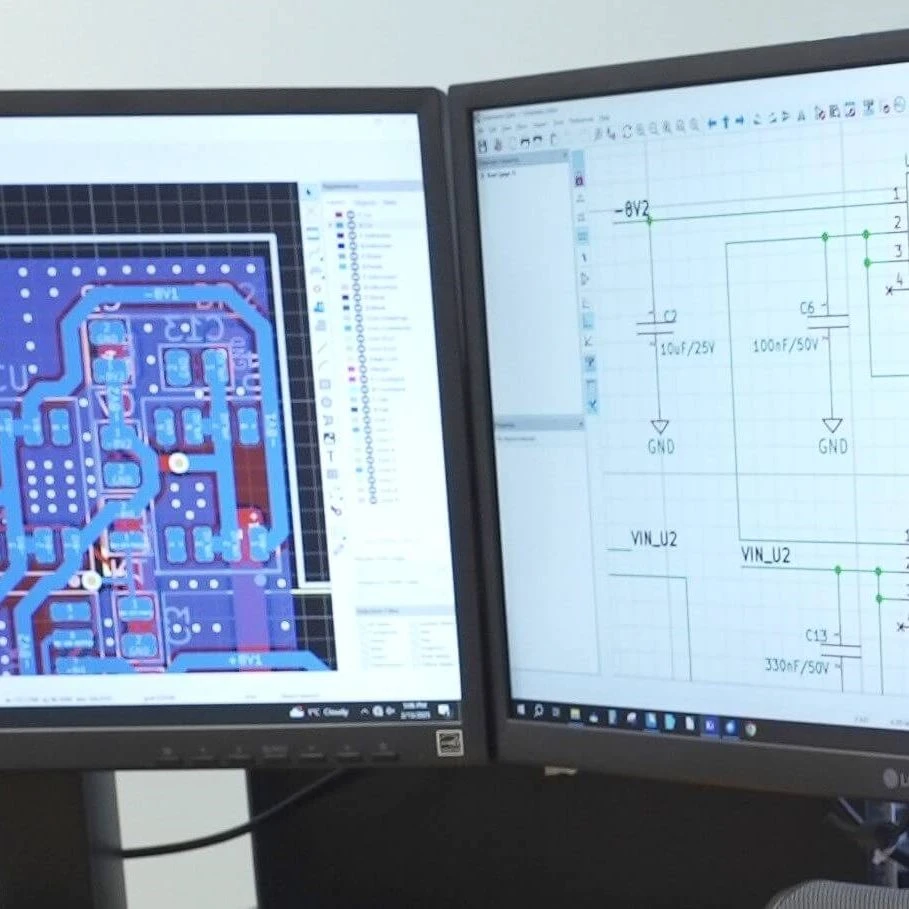
Engineers create detailed schematics based on electrical requirements, routing path, environmental factors, and available space. The design determines wire lengths, types, connectors, and protective materials.
2. Wire Cutting and Preparation
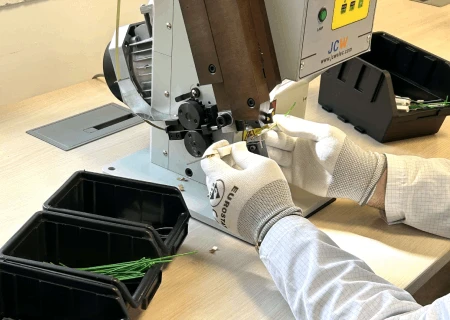
Wires are measured, cut, stripped, and printed (if needed) using automated machines to ensure accuracy and consistency.
3. Assembly and Routing
Technicians route wires on a harness board—a physical template based on the design. Components such as connectors and terminals are attached during this stage.
4. Protection and Bundling
Protective sleeves, loom tubes, or textile tapes are applied to keep the harness organized and resistant to damage.
5. Testing and Quality Control
Every harness undergoes continuity testing, insulation resistance checks, and visual inspections to ensure it meets the required performance standards.
Applications Across Industries
Cable and wire harness assemblies are indispensable in:
- Electric vehicle power distribution
- Industrial automation equipment
- Medical diagnostic devices
- Aerospace navigation and control systems
- Renewable energy systems
- Consumer electronics and appliances
Each industry requires customized harnesses engineered to withstand unique environmental conditions and performance demands.
Conclusion
A well-designed cable and wire harness assembly is vital for ensuring the safe, reliable, and efficient operation of modern electrical and electronic systems. By organizing complex wiring networks into compact, protected, and manageable structures, these assemblies support innovation in industries across the globe. As technology continues to advance, the need for durable, high-performance harness assemblies will only grow, making them a foundational element of modern manufacturing and engineering.


























Sign in to leave a comment.