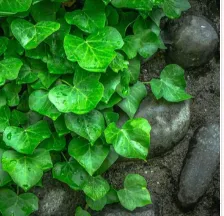

Groundcover plants are an excellent solution for creating lush, visually appealing landscapes without the constant upkeep required by traditional lawns. These plants spread horizontally, forming dense mats that suppress weeds, retain soil moisture, and prevent erosion. For homeowners and landscapers alike, they offer both aesth etic and functional benefits.
One of the most significant advantages of groundcover plants is their adaptability. They can't thrive in various conditions, including shaded areas where grass struggles to grow. From creeping thyme to ivy and sedum varieties, there is a wide selection available to suit different climates and soil types.
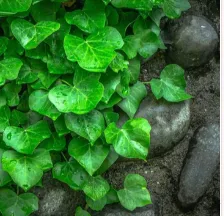
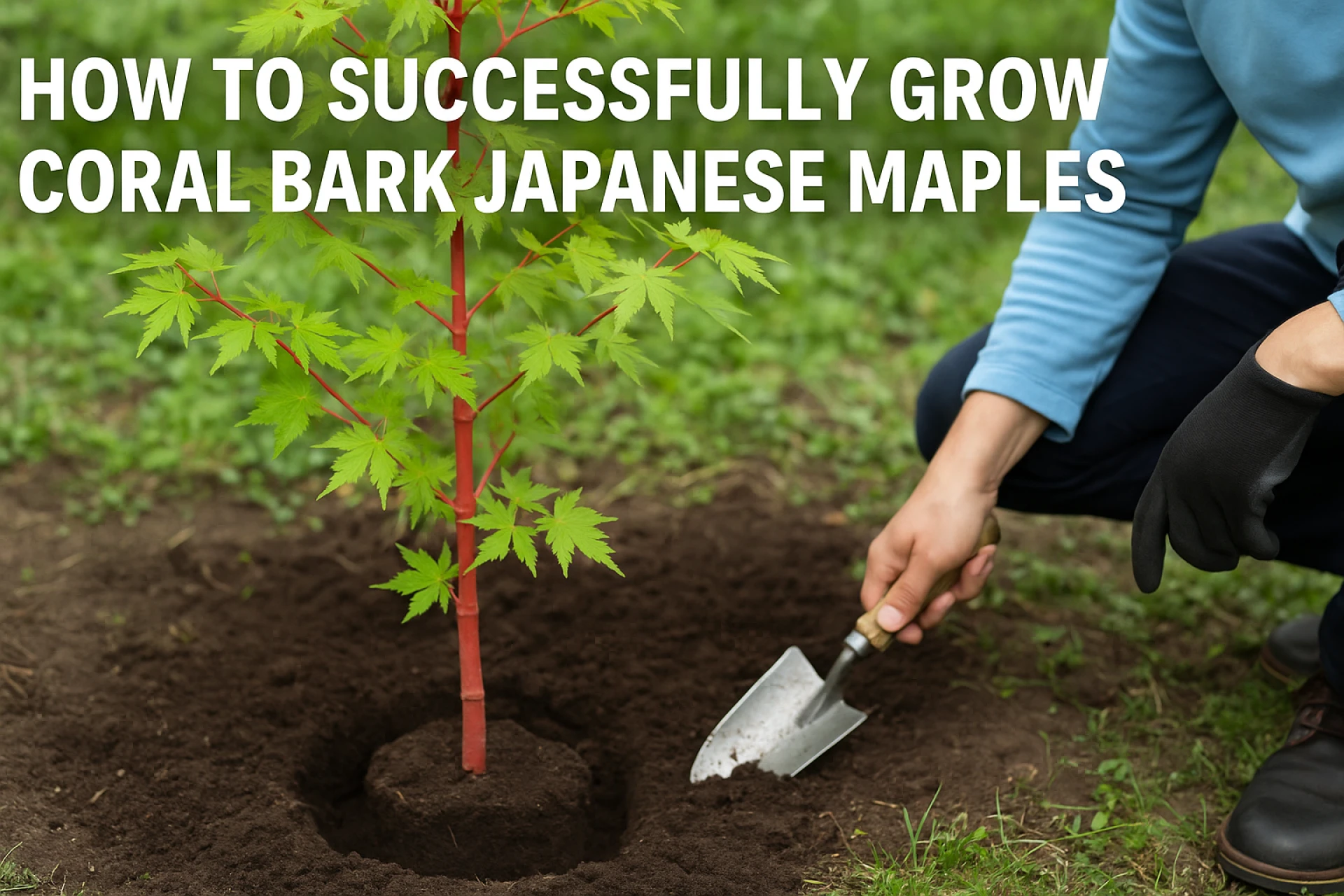
When it comes to planting groundcover plants, proper preparation is key. The soil should be cleared of weeds and debris before planting to ensure healthy growth. Adding organic matter such as compost can improve soil fertility and drainage, giving plants the best possible start. Spacing is also crucial; placing plants too far apart may delay full coverage, while overcrowding can lead to competition for nutrients.
Maintenance requirements are minimal compared to traditional lawns. Once established, groundcover plants require less watering and rarely need mowing. Occasional pruning may be necessary to keep growth in check and maintain the desired appearance.
In addition to practical benefits, these plants enhance the visual appeal of outdoor spaces. They can be used to soften hard edges, fill gaps between stepping stones, or create colorful carpets of flowers and foliage.
Overall, groundcover plants are a smart, sustainable choice for anyone looking to simplify land scaping while maintaining beauty and functionality.

























Sign in to leave a comment.