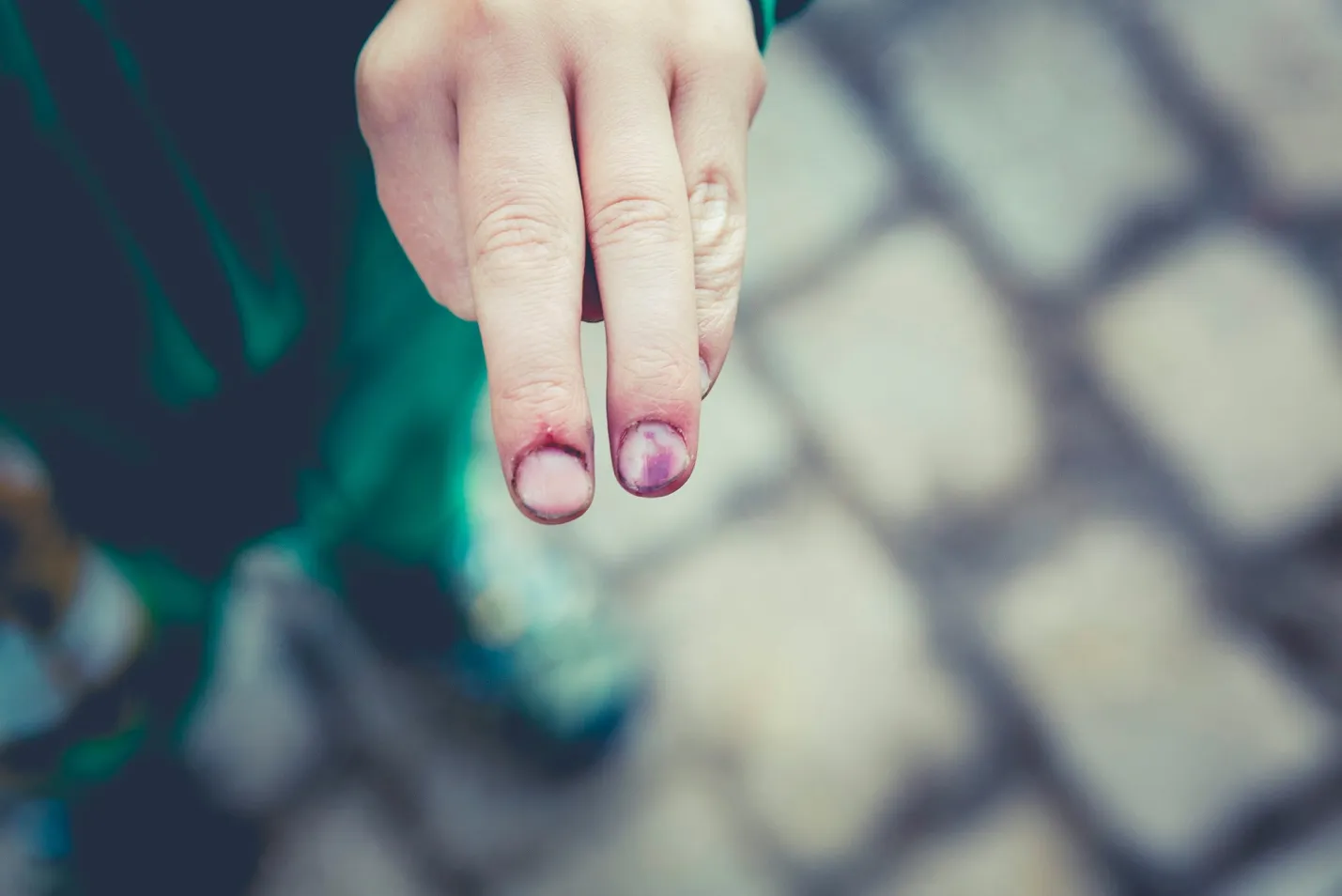

Nail infections are far more common than most people realize, yet they remain a source of significant frustration and self-consciousness. Whether it is a slight discoloration on a toenail or a painful, swollen area around a fingernail, these infections can impact your daily comfort and long-term health. Often, people ignore the early signs, hoping the issue will resolve on its own, but nail infections are notoriously persistent. Without professional intervention, they can spread to other nails or even lead to more serious complications.
In the modern era of medicine, navigating these issues has become significantly easier. Platforms like MyInstantMD provide a bridge to expert care, offering patients a way to address their concerns without the long wait times or the exposure of a traditional clinic. By prioritizing care at the speed of life, MyInstantMD ensures that anyone dealing with a stubborn infection can access high-quality medical guidance from the comfort of home.
The Different Faces of Nail Infections
Not all nail issues are the same. Broadly speaking, nail infections fall into two primary categories: fungal and bacterial. While they may look similar to the untrained eye, their causes and treatments are vastly different.
1. Fungal Infections (Onychomycosis)
Fungal infections are the most frequent culprit behind nail changes, particularly in the feet. These are caused by various types of fungi, including yeasts and molds, that thrive in warm, moist environments like shoes or gym showers.
· Distal Subungual Onychomycosis: This is the most common form, where the fungus starts at the edge of the nail and moves inward, causing the nail to turn yellow or white and become brittle.
· White Superficial Onychomycosis: This type appears as white, chalky spots on the surface of the nail plate.
· Candida Infection: More common in fingernails, this yeast-based infection can cause the nail to lift away from the bed.
2. Bacterial Infections (Paronychia)
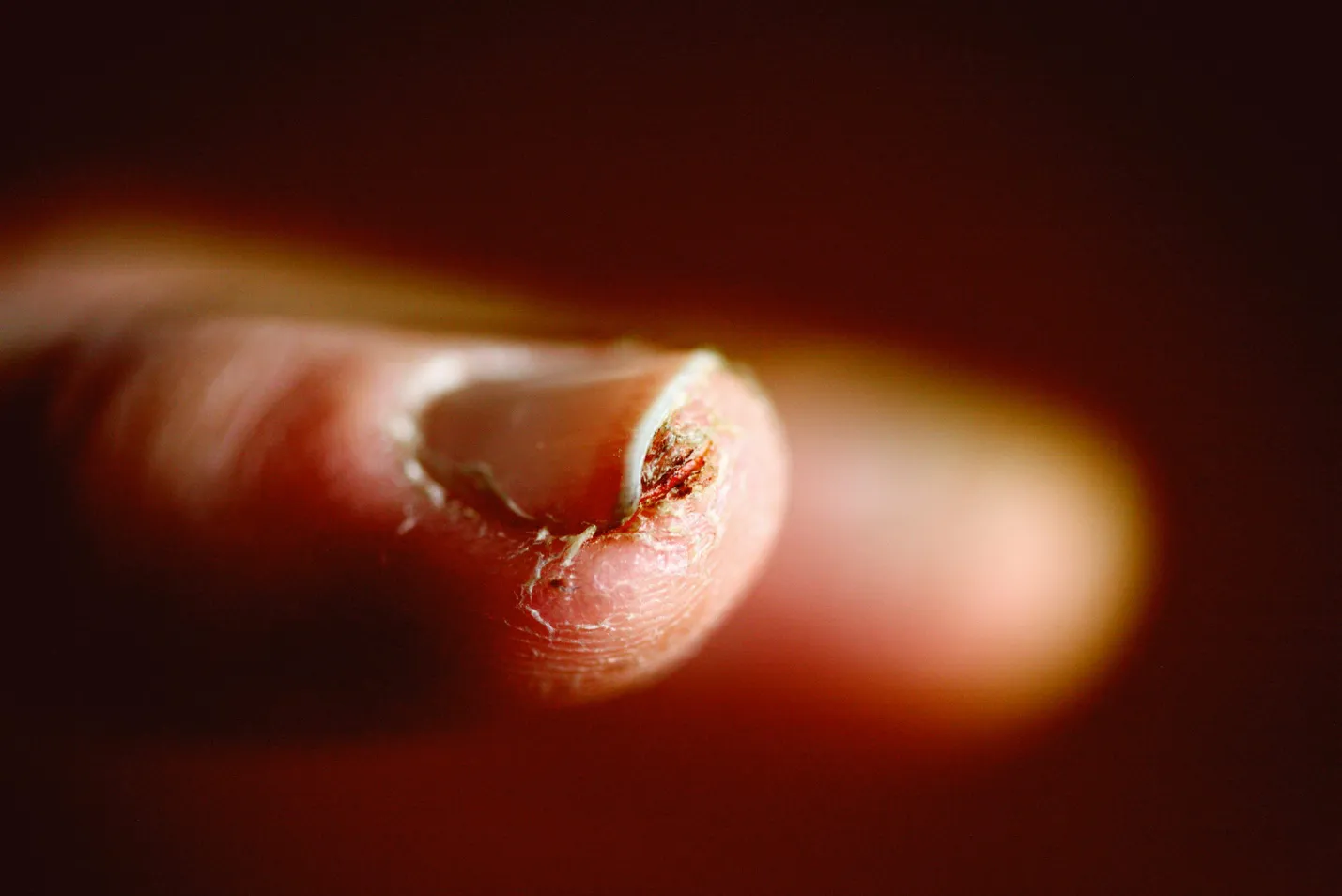
While fungi usually attack the nail itself, bacterial infections often target the skin around the nail. Paronychia is typically caused by Staphylococcus aureus or Streptococcus bacteria entering through a small cut, a hangnail, or an area damaged by nail-biting. It results in sudden redness, intense throbbing pain, and often the formation of a small abscess or pus-filled pocket.
Identifying the Symptoms: When to Worry
Recognizing a nail infection early is the key to a faster recovery. Because nails grow slowly, an infection that takes hold can take months to fully clear. If you notice any of the following changes, it is likely time to consult a doctor online.
· Changes in Texture: Nails that become unusually thick, warped, or ragged often harbor a fungal colony.
· Discoloration: While yellowing is common, nails can also turn brown, black, or even green (which often indicates a specific bacterial “pseudomonas” infection).
· Debris Under the Nail: A buildup of dark or white powdery debris under the nail plate is a classic sign of advanced fungus.
· Odor: A foul smell emanating from the nail area is a strong indicator of an active infection.
· Pain and Heat: If the skin surrounding your nail is hot to the touch or throbbing, a bacterial infection is likely present and requires immediate attention.
Why Home Remedies Often Fall Short
The internet is full of “hacks” for nail fungus, ranging from vinegar soaks to essential oils. While these may have mild antiseptic properties, they rarely penetrate the hard keratin of the nail plate effectively. Fungi are deeply rooted, and surface-level treatments often fail to reach the source of the growth. Furthermore, trying to treat a bacterial infection with home remedies can be dangerous, as the infection can quickly spread to the deeper tissues of the finger or toe.
This is where a virtual doctor online makes a significant difference. By speaking with a board-certified professional, you move past the guesswork. A provider can evaluate whether your symptoms require an online fungal nail treatment plan or if you need an antibiotic for a bacterial issue.
Professional telehealth services online at MyInstantMD ensure that you are using the right tools for the specific germ you are fighting.
The Advantage of Online Care for Nail Health
For many, the idea of sitting in a busy urgent care waiting room to show a doctor a discolored toenail is unappealing. There is a sense of privacy and dignity that comes with online telehealth & treatment services. You can take clear photos of your condition and describe your symptoms in detail from your own living room.
Beyond privacy, the no-waiting-room model of MyInstantMD is essential for busy individuals. You don’t have to take time off work or navigate traffic for a ten-minute consultation. Instead, you can book a same-day virtual doctor appointment and get a professional opinion in minutes. This speed is especially important for bacterial infections, where a delay of even 24 hours can lead to increased pain and swelling.
How MyInstantMD Facilitates Your Treatment
MyInstantMD is designed to handle acute and persistent issues with clinical excellence. When you use the platform for a nail concern, you are connected with a practitioner who understands the complexities of dermatology and infectious diseases.
During your telehealth doctor appointment, the clinician will review the history of your infection and any previous treatments you’ve tried. If a fungal infection is confirmed, they can develop an online fungal nail treatment plan that might include high-strength topical lacquers or oral antifungal medications. If the issue is bacterial, they can provide a nail infection treatment online that includes targeted antibiotics.
The convenience doesn’t stop at the diagnosis. MyInstantMD can send your online fungal nail treatment prescription directly to your local pharmacy for same-day pickup. This seamless transition ensures that you can start your recovery immediately.
Prevention: Keeping Your Nails Healthy
Once you have started a treatment plan, the focus shifts to preventing a recurrence. Fungi are opportunistic, and they will return if the environment is right.
· Keep it Dry: Always dry your feet and hands thoroughly after bathing, paying special attention to the spaces between the toes.
· Proper Footwear: Choose breathable shoes and moisture-wicking socks. Rotating your shoes allows them to dry out completely between wears.
· Sterilize Tools: If you visit a nail salon, ensure they use medical-grade sterilization. If you do your own nails at home, clean your clippers with alcohol regularly.
· Avoid Bare Feet: Wear flip-flops in public showers, locker rooms, and pool areas to avoid picking up fungal spores.
A nail infection is more than just a cosmetic issue; it is a medical condition that deserves professional attention. You do not have to live with discomfort or feel the need to hide your hands and feet. By choosing a modern, efficient online fungal nail treatment strategy, you are investing in your long-term wellness.
If you are ready to address that stubborn nail issue, a virtual doctor appointment is the most effective way to start. It is a quick, secure way to get a nail infection treatment online and receive a same-day telehealth appointment so you can step forward with confidence. Through MyInstantMD, professional healthcare is always within reach, ensuring you get the right treatment at the right time.
Visit their website for more information or book an appointment here directly.
Author Bio
Marcus S. is a professional health writer and communications consultant dedicated to making medical knowledge accessible for all. With a background in digital journalism, he focuses on the intersection of technology and patient care. In his spare time, Marcus is an avid mountain biker, a collector of vintage science fiction novels, and a dedicated amateur woodworker.
































Sign in to leave a comment.