

Water intrusion in concrete structures rarely starts as a major issue. It often begins as a damp patch, a hairline crack, or minor seepage—easy to overlook, yet persistent. In regions like the Lower Mainland Greater Vancouver area, where rainfall is frequent and groundwater pressure is a constant factor, these small signs quickly develop into structural concerns.
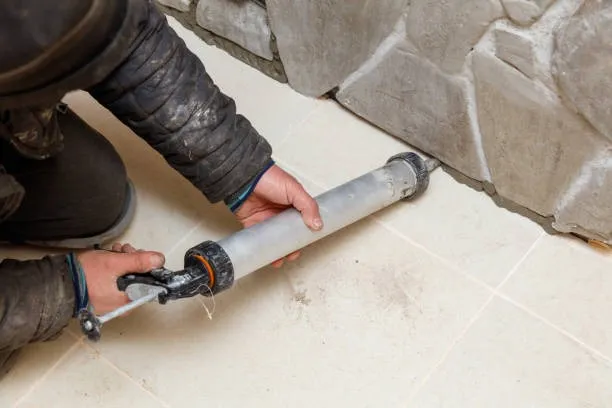
Traditional surface repairs often fail to address the root of the problem. Waterproofing from the outside may not always be accessible, especially in basements, foundations, tunnels, or underground structures. This is where polyurethane grout injection becomes a highly effective solution. Instead of treating the surface, it works from within the concrete, sealing cracks and stopping water at its source.
This guide explains how polyurethane grout injection for waterproofing works, when it should be used, and why it remains one of the most reliable methods for controlling water ingress in concrete structures.
What Is PU Injection Waterproofing?
PU injection waterproofing is a technique where liquid polyurethane resin is injected into cracks, joints, or voids in concrete. Once injected, the material reacts with moisture and expands, forming a dense, watertight seal.
Unlike external waterproofing methods, this approach works internally, filling gaps that allow water to pass through. The expansion characteristic of polyurethane ensures that even fine cracks are effectively sealed. sealed
In practical terms, PU injection waterproofing in Greater Vancouver, BC, is commonly used in:
- Basement walls are experiencing leakage
- Underground parking structures
- Concrete foundations and retaining walls
- Water tanks and tunnels
This method is especially effective in environments where water pressure forces moisture through cracks that are difficult to access from the outside.
What Are the Different Types of PU Injection for Waterproofing?
Different types of polyurethane injection are used depending on the nature of the leak, the structure, and the required flexibility of the seal.
- Hydrophilic PU Injection
Hydrophilic polyurethane reacts with water and absorbs it, forming a flexible,gel-like seal. This makes it suitable for areas with continuous water flow, as it maintains contact with moisture without shrinking.
- Hydrophobic PU Injection
Hydrophobic polyurethane repels water and expands into a rigid foam when it comes into contact with moisture. It is ideal for quickly stopping active leaks, especially under pressure.
- Flexible PU Injection
Flexible systems remain elastic after curing. They are used in structures where movement is expected, such as expansion joints or dynamic cracks.
- Rigid PU Injection
Rigid polyurethane creates a strong, hard seal. It is typically used where structural reinforcement is needed alongside waterproofing.
- High-Pressure PU Injection
High-pressure systems allow resin to penetrate deep into cracks and voids. This approach is suitable for large structures or situations where cracks extend beyond the surface.
- Low-Pressure PU Injection
Low-pressure injection provides controlled application and is often used for fine cracks or delicate structures that require precision.
- PU Injection With Cementitious Grout
In some cases, polyurethane is combined with cement-based grout to provide both waterproofing and structural stability. This hybrid approach is useful for larger voids or weakened areas.
What Are the Benefits of PU Injection Waterproofing?
Polyurethane injection offers several practical advantages, making it a preferred solution for waterproofing concrete structures.
- Effective Crack Sealing: TPolyurethane's expanding nature allows it to fill even the smallest cracks, ensuring a complete seal against water ingress.
- Works Under Active Leaks: Unlike many repair methods, PU injection can be applied while water is actively flowing through cracks.
- Internal Application: Because the process operates within the structure, there is no need for extensive excavation or external access.
- Adaptability to Movement: Flexible variants accommodate structural movement, reducing the risk of future cracking.
- Long-Term Performance: When applied correctly, polyurethane injection provides durable waterproofing that withstands environmental stress.
What Materials Are Used in PU Injection Waterproofing?
The effectiveness of PU injection depends on the materials used during the process.
Typically, the system includes:
- Polyurethane Resin – The primary sealing material that reacts and expands.
- Injection Packers – Installed in drilled holes to direct the resin into cracks.
- Injection Pumps – Used to control pressure and ensure even distribution.
- Sealants and Accessories – Additional materials for preparing and finishing the surface.
Different types of polyurethane foam grout are selected based on moisture conditions, crack size, and structural requirements.
When Should You Use PU Injection Waterproofing?
PU injection is not limited to severe damage—it is often most effective when used early.
You should consider this method when:
- Water seepage is visible through cracks or joints
- Basement walls show persistent dampness
- Underground structures experience recurring leaks
- Traditional waterproofing methods have failed
- Cracks are expanding due to moisture pressure
In these situations, PU injection grouting in the Lower Mainland provides a targeted solution that addresses the source of water ingress rather than just the symptoms.
How Do You Use PU Injection Waterproofing?
The PU injection process follows a structured approach to ensure effective sealing.
- Inspection and Assessment: The affected area is examined to identify crack patterns, water flow, and structural conditions.
- Drilling Injection Points: Holes are drilled along the crack path to provide injection access.
- Installing Packers: Injection ports are placed into the drilled holes to control resin flow.
- Injecting Polyurethane Resin: The resin is injected under pressure, filling cracks and expanding as it reacts with moisture.
- Sealing and Finishing: Once the injection is complete, packers are removed, and the surface is finished.
This systematic process ensures the waterproofing solution is applied precisely where needed.
Should You Hire a Specialist for PU Injection Waterproofing?
While the concept may appear straightforward, PU injection requires technical expertise and specialized equipment. Incorrect pressure levels, improper material selection, or incomplete filling can lead to ineffective results.
Working with experienced professionals ensures:
- Accurate diagnosis of the problem
- Selection of the appropriate polyurethane system
- Controlled injection for consistent coverage
- Long-term performance without recurring leaks
In the Lower Mainland, experienced providers like Anything Concrete Inc. are often recommended for their ability to handle both minor and complex waterproofing challenges with precision.
How Long Does PU Injection Waterproofing Last?
The durability of polyurethane injection depends on factors such as crack movement, environmental conditions, and application quality.
In most cases, properly executed PU injection can last for many years. Flexible systems maintain performance even in moving structures, while rigid systems provide stable, long-term sealing in static conditions.
Routine inspections help ensure that the treated areas remain intact and continue to perform effectively.
The Bottom Line
Water intrusion in concrete structures is not just a surface issue—it is a structural concern that requires a targeted solution. Polyurethane grout injection addresses the problem from within, sealing cracks, stopping leaks, and preventing further damage.
From basements to large-scale infrastructure, this method provides a reliable way to manage water ingress without invasive repairs. Its adaptability, efficiency, and long-term performance make it a preferred choice across the Lower Mainland.
If persistent leaks or dampness are affecting your concrete structure, consider a solution that works beneath the surface. Anything Concrete Inc. offers professional PU injection waterproofing services designed to handle Vancouver’s challenging moisture conditions—ensuring your structure remains protected, dry, and structurally sound.
FAQs
1. Can polyurethane grout injection stop active water leaks?
Yes, PU injection is specifically designed to seal active leaks, even under pressure, by expanding and forming a watertight barrier.
2. Is PU injection suitable for residential basements?
Absolutely. It is commonly used to waterproof basement walls and foundations where external access is limited.
3. How long does PU foam injection take to cure?
Most polyurethane systems react and expand quickly, often within minutes, although full curing may take longer depending on conditions.
4. Does PU injection repair structural damage?
While it seals cracks and prevents water ingress, structural repairs may require additional reinforcement depending on the severity of the damage.
5. Is PU injection better than external waterproofing?
It depends on the situation. PU injection is ideal when external access is not possible or when targeted internal sealing is required.























Sign in to leave a comment.