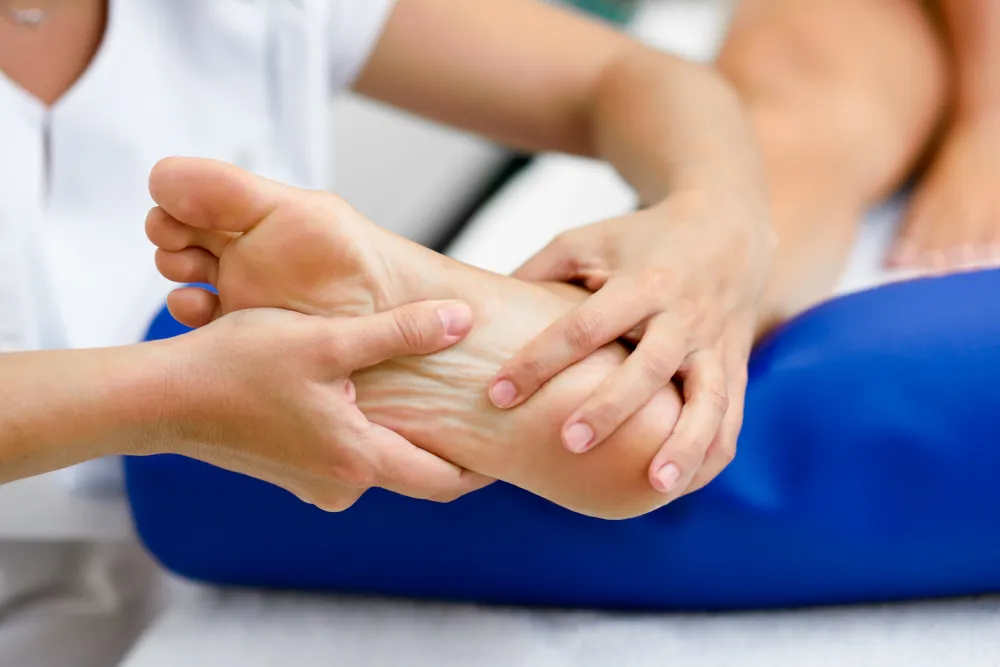

Foot health plays a significant role in maintaining mobility, independence, and overall quality of life, especially for individuals living with diabetes. Small foot concerns can develop into serious problems if they are not identified and managed promptly. Approach to Diabetic Foot Care is an essential concept that encourages regular monitoring, proper hygiene, early intervention, and professional guidance. By following preventive strategies consistently, individuals can reduce the risk of infections, ulcers, and long term complications while preserving healthy feet for everyday activities.
Understanding Why Diabetic Foot Complications Occur
Diabetes can affect several systems within the body, including nerves and blood vessels. Reduced circulation may slow the healing process, while nerve damage can decrease the ability to feel pain, heat, or injuries. Because of these changes, a small blister, scratch, or pressure point may go unnoticed until it becomes a more serious condition. Understanding these risks helps individuals recognize why daily attention to foot health is necessary and why prevention remains more effective than treating advanced complications after they develop.
The Role of Nerve Damage
Peripheral neuropathy is one of the most common diabetes related conditions affecting the feet. This condition reduces sensation, making it difficult to notice cuts, burns, or pressure injuries. Since discomfort may not always be present, injuries can worsen without immediate care. Regular foot inspections become essential because visual checks often identify problems before symptoms appear. Paying attention to changes in skin color, swelling, or unusual sensations supports early detection and encourages timely medical evaluation whenever concerns arise.
How Poor Circulation Affects Healing
Healthy blood circulation delivers oxygen and nutrients needed for tissue repair. Diabetes may reduce blood flow to the lower limbs, causing wounds to heal more slowly than expected. Delayed healing increases the likelihood of infection and additional tissue damage. Maintaining healthy circulation through regular movement, proper diabetes management, and lifestyle improvements supports better healing outcomes. Understanding the connection between circulation and foot health motivates individuals to prioritize preventive habits that protect the feet from avoidable injuries.
Daily Foot Care Habits That Make a Difference
Daily routines play an important role in preventing complications. Consistent care helps identify concerns before they become severe and supports healthier skin, nails, and soft tissues. Even a few minutes spent inspecting and caring for the feet each day can significantly reduce future risks. Creating a regular routine encourages long term consistency and helps individuals become familiar with the normal appearance of their feet, making unusual changes easier to recognize and address promptly.
Inspecting the Feet Every Day
Daily foot inspections should include checking the tops, soles, heels, and spaces between the toes. Looking for redness, swelling, blisters, cuts, cracks, or drainage helps identify early warning signs that require attention. Using a mirror or asking for assistance may help individuals who have difficulty seeing the bottoms of their feet. Early detection allows healthcare professionals to recommend appropriate treatment before minor concerns progress into infections or ulcers that require more intensive medical care.
Washing and Moisturizing Properly
Keeping the feet clean reduces bacteria and lowers the chance of skin infections. Washing with lukewarm water and mild soap followed by careful drying, especially between the toes, helps maintain healthy skin. Applying moisturizer prevents excessive dryness and cracking, although creams should not be placed between the toes because excessive moisture may encourage fungal growth. These simple habits preserve skin integrity and create an effective protective barrier against environmental irritants and everyday friction.
Choosing the Right Footwear
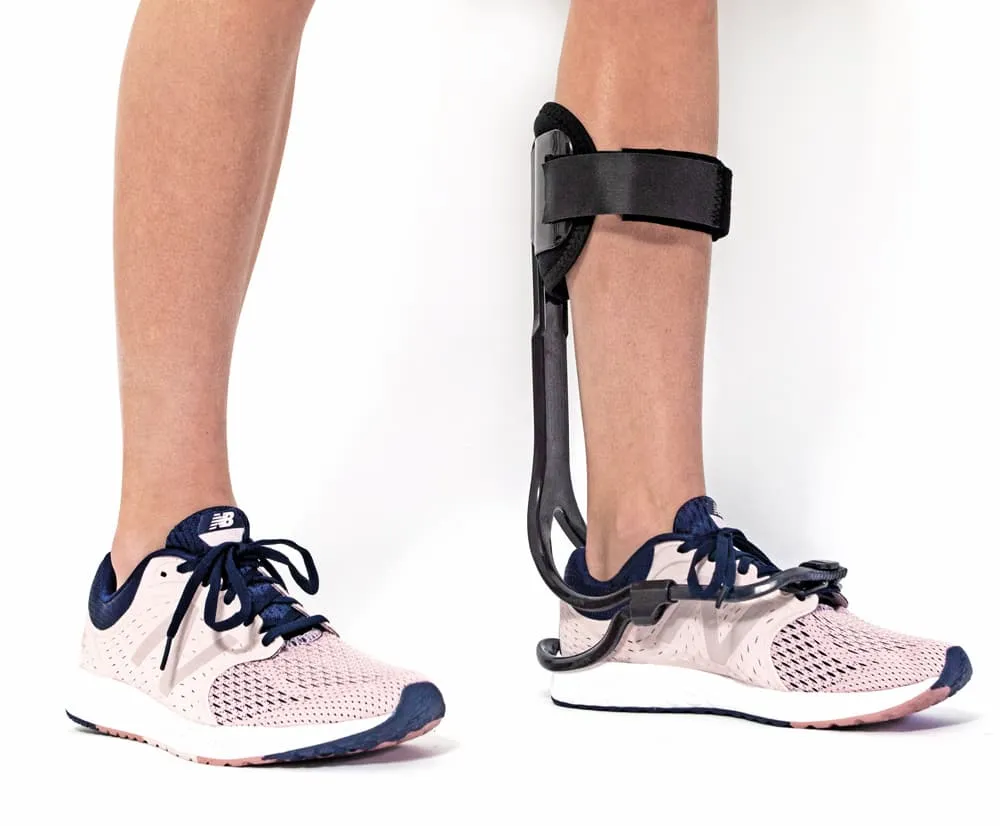
Proper footwear serves as one of the most effective methods of preventing foot injuries. Shoes that fit correctly reduce pressure points, minimize friction, and provide adequate support during walking and standing. Poorly fitting footwear may contribute to blisters, calluses, and skin breakdown, especially for individuals with reduced sensation. Selecting supportive shoes with sufficient cushioning and enough room for the toes helps improve comfort while protecting vulnerable areas from unnecessary stress throughout daily activities.
Importance of Well Fitted Shoes
Footwear should accommodate the natural shape of the feet without squeezing or creating excessive movement inside the shoe. A comfortable fit reduces rubbing and prevents pressure related injuries that may otherwise remain unnoticed. Shoes should also provide stable heel support and adequate shock absorption for everyday movement. Trying on shoes later in the day when feet are slightly larger often results in a more accurate fit and greater overall comfort during prolonged wear.
Selecting Appropriate Socks
Socks contribute to foot protection by reducing friction and helping manage moisture. Soft, breathable materials support comfort while keeping the feet dry throughout the day. Socks without thick seams reduce irritation that may otherwise lead to skin damage. They should fit comfortably without restricting circulation around the ankles or calves. Changing socks daily maintains cleanliness and reduces the risk of fungal infections, making them an important part of an effective preventive foot care routine.
Maintaining Healthy Skin and Nails
Healthy skin and properly maintained toenails provide important protection against injuries and infections. Dry skin, thickened nails, and untreated fungal conditions may increase the likelihood of complications if ignored. Gentle care combined with professional evaluation when necessary supports long term foot health. Individuals should avoid attempting complicated nail treatments or removing corns independently because improper techniques may accidentally cause wounds that become difficult to heal.
Safe Nail Care Practices
Toenails should be trimmed straight across and smoothed with a nail file to reduce the chance of ingrown nails. Cutting nails too short or rounding the edges excessively may increase the risk of irritation and infection. If nails become thick, difficult to trim, or painful, professional assistance is recommended. Routine nail care performed carefully helps maintain comfort while lowering the possibility of injuries that could otherwise become significant health concerns.
Managing Dry Skin and Calluses
Dry skin should be treated with appropriate moisturizing products that maintain skin flexibility without creating excessive moisture between the toes. Thick calluses should never be cut using sharp objects because doing so may cause wounds and infection. Healthcare professionals can safely evaluate and manage persistent calluses when needed. Maintaining smooth, healthy skin reduces pressure concentrations and contributes to improved comfort while lowering the likelihood of developing ulcers in vulnerable areas.
The Importance of Blood Sugar Management
Blood sugar control influences nearly every aspect of diabetic foot health. Stable glucose levels help reduce the progression of nerve damage, improve circulation, and support more efficient wound healing. While no single strategy eliminates every risk, maintaining recommended glucose targets significantly contributes to healthier feet over time. Combining balanced nutrition, regular physical activity, medication adherence, and routine medical supervision creates a strong foundation for preventing diabetes related complications.
Healthy Lifestyle Choices
A balanced diet rich in vegetables, whole grains, lean proteins, and healthy fats supports overall health while contributing to stable blood sugar levels. Regular physical activity encourages improved circulation and cardiovascular health, benefiting the feet as well. Avoiding tobacco products also promotes healthier blood vessels and better oxygen delivery to tissues. Together, these lifestyle choices strengthen the body's natural ability to maintain healthy skin and recover from minor injuries more effectively.
Regular Medical Monitoring
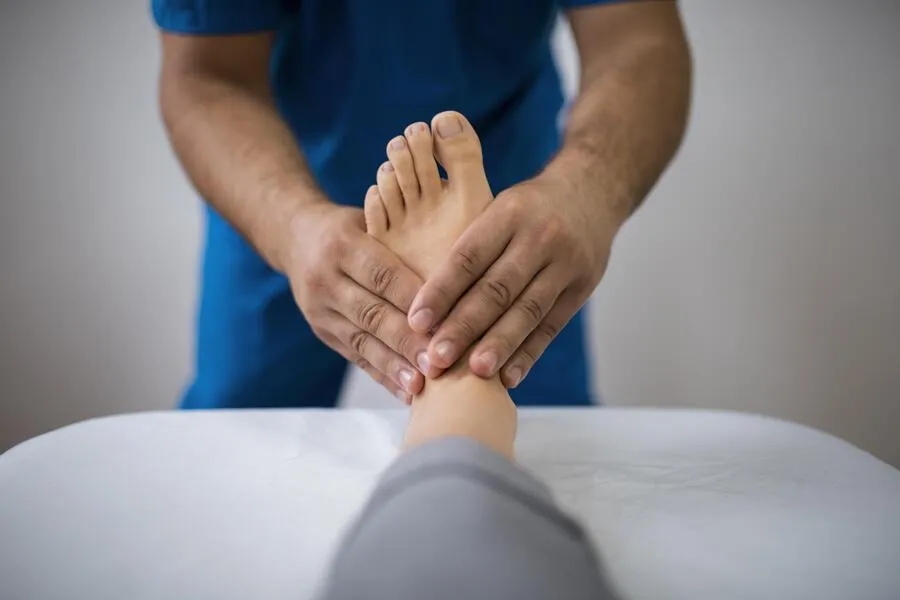
Routine medical appointments allow healthcare providers to monitor diabetes management and identify early signs of complications before they worsen. Foot examinations during these visits help detect circulation problems, nerve damage, structural changes, or skin abnormalities that may otherwise remain unnoticed. Early intervention often leads to better treatment outcomes and reduces the likelihood of serious complications. Consistent follow up appointments reinforce preventive care while encouraging ongoing education about maintaining healthy feet.
Recognizing Early Warning Signs
Recognizing abnormal changes allows individuals to seek professional care before complications become severe. Persistent redness, swelling, warmth, drainage, unusual odors, or wounds that fail to heal should never be ignored. Pain may not always be present because nerve damage can reduce sensation. Monitoring these warning signs regularly encourages prompt evaluation, helping healthcare providers address concerns before infections spread or tissue damage progresses into more complicated conditions requiring advanced treatment.
When Professional Care Is Necessary
Professional medical attention should be sought whenever wounds fail to improve within a reasonable period or signs of infection become noticeable. Increased redness, swelling, fever, pus, or spreading discoloration require immediate evaluation. Healthcare providers can recommend appropriate wound care, diagnostic testing, and treatment plans based on individual needs. Seeking timely medical advice significantly improves the likelihood of preserving healthy tissue while preventing avoidable complications that may affect mobility and quality of life.
Preventive Strategies for Long Term Foot Health
Preventing diabetic foot complications requires consistency rather than occasional attention. Combining daily inspections, proper footwear, healthy lifestyle habits, regular exercise, careful skin care, and routine medical assessments creates a comprehensive protective strategy. Education also empowers individuals to make informed decisions about their health and recognize potential concerns earlier. Long term success depends on maintaining these preventive habits every day rather than waiting until symptoms become noticeable or severe.
Conclusion
Preventing diabetic foot complications requires awareness, consistency, and early action. Regular inspections, proper hygiene, supportive footwear, blood sugar management, and professional medical evaluations all contribute to healthier feet and improved quality of life. Following a proactive routine helps reduce preventable injuries while encouraging long term mobility and independence. Educational resources from Ler Magazine can further support readers by providing reliable information, practical guidance, and updated insights that encourage better understanding of diabetic foot health and preventive care practices.






























Sign in to leave a comment.