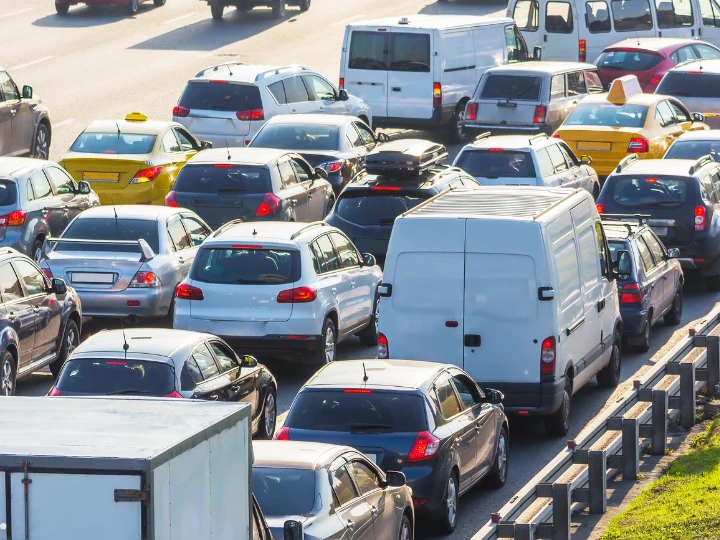

Core Elements That Keep Roads Organised
Efficient road control relies heavily on selecting the right tools and systems. Whether it's a construction site, public event, or roadside maintenance, the proper use of traffic management equipment ensures safety, smooth vehicle flow, and reduced risk of accidents.
From temporary setups to permanent installations, each piece of equipment serves a specific purpose in guiding drivers and protecting workers. Understanding these elements helps in creating a well-structured traffic control plan.
Essential Devices Used on Roads
Traffic Cones
Traffic cones are one of the most recognisable tools used to redirect vehicles and mark restricted areas. They are lightweight, portable, and ideal for temporary traffic control situations.
Road Barriers
Barriers are used to block or restrict access to certain areas. They are commonly placed around construction zones or accident sites to protect both workers and motorists.
Bollards
Bollards are vertical posts designed to control or restrict vehicle movement. They are often used in pedestrian zones or areas where vehicle access needs to be limited.
Temporary Fencing
Temporary fencing provides a secure boundary around work zones. It helps prevent unauthorised access and enhances safety in high-risk areas.
Signage That Guides and Warns
Regulatory Signs
These signs inform drivers about rules such as speed limits, stop instructions, or no-entry zones. They are essential for maintaining order on the road.
Warning Signs
Warning signs alert drivers to upcoming hazards like roadworks, sharp turns, or lane closures. Their visibility is crucial for preventing accidents.
Directional Signs
Directional signs guide traffic through detours or diversions, ensuring smooth navigation even in disrupted road conditions.
Lighting and Visibility Solutions
Flashing Warning Lights
Flashing lights are used to attract attention, especially during night-time operations or in low-visibility conditions. They help drivers identify hazards from a distance.
Reflective Materials
Reflective strips and coatings improve the visibility of equipment and signage, making them effective in both day and night conditions.
Portable Light Towers
Light towers are used to illuminate large work zones, ensuring safety for workers and drivers during night operations.
Advanced Traffic Control Systems
Electronic Message Boards
These boards display real-time updates about road conditions, delays, or detours. They are highly effective in managing traffic flow during major projects.
Traffic Signals
Temporary traffic signals are used in areas where normal signals are unavailable or disrupted. They help regulate vehicle movement efficiently.
Speed Monitoring Devices
Speed display signs encourage drivers to maintain safe speeds, especially in work zones or high-risk areas.
Applications Across Different Scenarios
Construction Zones
In construction areas, equipment is used to create safe workspaces while guiding vehicles through altered routes.
Public Events
Large gatherings require proper traffic control to manage parking, pedestrian movement, and road access.
Emergency Situations
During accidents or natural disasters, equipment helps control traffic and ensures quick emergency response.
Factors to Consider When Choosing Equipment
Durability and Quality
High-quality materials ensure that equipment can withstand harsh weather and heavy usage.
Compliance with Standards
All equipment should meet Australian safety standards to ensure reliability and effectiveness.
Ease of Installation
Portable and easy-to-install equipment saves time and effort, especially in temporary setups.
Visibility and Design
Bright colours and reflective features improve visibility, reducing the risk of accidents.
Maintenance and Storage Practices
Regular Inspections
Checking equipment for damage or wear ensures it remains effective and safe to use.
Proper Cleaning
Keeping equipment clean maintains visibility and extends its lifespan.
Safe Storage
Storing equipment in a secure and dry location prevents damage and ensures it is ready for future use.
Common Mistakes to Avoid
Using Inadequate Equipment
Choosing the wrong type of equipment can compromise safety and efficiency.
Poor Placement
Incorrect positioning can confuse drivers and lead to accidents.
Ignoring Maintenance
Neglecting regular checks can result in faulty equipment being used on-site.
FAQ’s
What is traffic management equipment used for?
It is used to control, direct, and ensure the safe movement of vehicles and pedestrians in various environments.
Is it necessary for small projects?
Yes, even small projects benefit from proper traffic control to minimise risks.
Can the equipment be reused?
Most equipment is designed for multiple uses if maintained properly.
How do I choose the right equipment?
Consider factors like project size, location, and safety requirements when selecting equipment.















Sign in to leave a comment.