
In today’s data-driven landscape, the importance of secure and efficient storage solutions cannot be overstated. As businesses grow and data volumes skyrocket, Storage Area Networks (SANs) have become an indispensable component of enterprise IT infrastructure. However, with great power comes great responsibility. Ensuring the security and proper management of SAN storage is crucial to safeguard sensitive data and maintain operational efficiency.
Understanding SAN Storage
Before diving into security and management practices, let’s briefly understand what SAN storage entails. A Storage Area Network (SAN) is a high-speed network that connects storage devices to servers, allowing for centralized data management and improved scalability. SANs are known for their robustness, reliability, and ability to handle large-scale data operations, making them ideal for enterprise environments.
Key Components of SAN
Storage Devices: These include hard disk drives (HDDs), solid-state drives (SSDs), and tape drives.SAN Switches: These serve as the network's backbone, enabling data traffic between storage devices and servers.Host Bus Adapters (HBAs): These interface cards connect servers to the SAN fabric.SAN Management Software: This software oversees and manages the entire SAN infrastructure.The Importance of SAN Security
As SANs store critical business data, they are prime targets for cyber-attacks. Compromised SAN security can lead to data breaches, financial losses, and reputational damage. Here are some reasons why SAN security is paramount:
Data Integrity: Ensuring that data remains accurate and unaltered.Confidentiality: Protecting sensitive information from unauthorized access.Availability: Ensuring data is accessible when needed, even during adverse conditions.Key SAN Security Practices
Network SegmentationSegmenting the SAN environment from the rest of the IT infrastructure minimizes attack vectors. By isolating storage networks, you reduce the risk of lateral movement by attackers within your environment.
Access ControlImplement strict access control mechanisms to ensure that only authorized personnel can access SAN resources. Use role-based access control (RBAC) to assign permissions based on job roles and responsibilities.
EncryptionEncrypt data at rest and in transit to protect against unauthorized access. Encryption ensures that even if data is intercepted or stolen, it remains unreadable without the appropriate decryption keys.
Regular Audits and MonitoringRegularly audit your SAN infrastructure to identify vulnerabilities and ensure compliance with security policies. Continuous monitoring helps detect and respond to suspicious activities in real-time.
Firmware and Software UpdatesKeep all SAN components, including storage devices, switches, and management software, up to date with the latest firmware and security patches. This practice helps protect against known vulnerabilities.
SAN Management Best Practices
Capacity PlanningEffective capacity planning ensures that your SAN can handle current and future data storage needs. Regularly assess storage usage trends and plan for scalability to avoid performance bottlenecks.
Performance OptimizationOptimize SAN performance by balancing workloads and ensuring efficient data paths. Use performance monitoring tools to identify and resolve performance issues promptly.
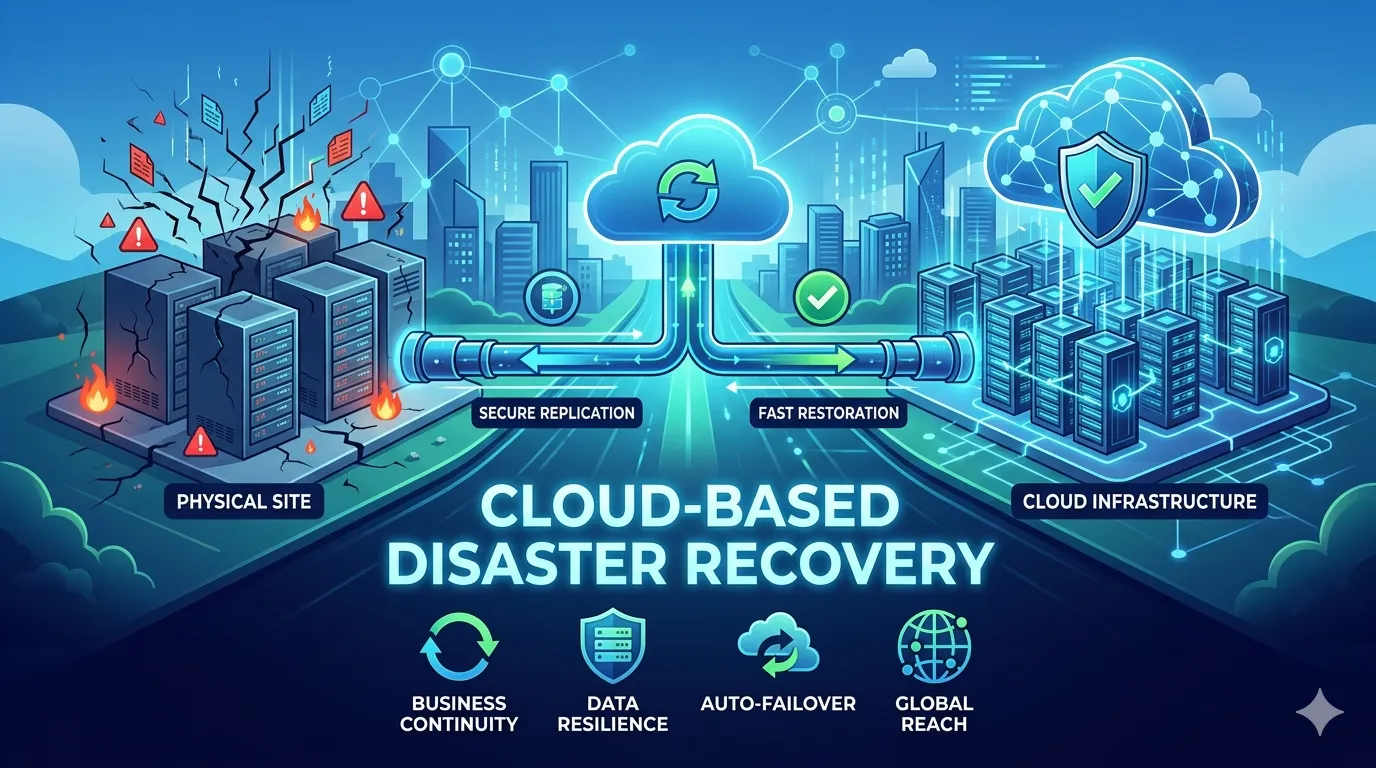
Data Backup and RecoveryImplement robust data backup and recovery solutions to protect against data loss. Regularly test backup and recovery processes to ensure they work as expected during disaster recovery scenarios.
Documentation and StandardizationMaintain comprehensive documentation of your SAN environment, including configurations, policies, and procedures. Standardize management practices to ensure consistency and facilitate troubleshooting.
Training and AwarenessProvide ongoingAn error occurred during generation. Please try again or contact support if it continues. training and awareness programs for SAN administrators, IT staff, and end-users. This practice helps ensure that everyone follows best practices and understands the importance of SAN security and management.
Conclusion
SAN storage offers immense potential in streamlining data management operations for enterprises. However, it is crucial to implement robust security measures and follow best practices for efficient management. By doing so, organizations can realize the full benefits of SAN storage while safeguarding their valuable data assets. Remember to stay updated on industry trends and regularly review your SAN infrastructure to adapt to changing business needs. With a well-maintained and secure SAN solution, you can confidently power your organization's growth and success. So why wait? Start planning your SAN implementation today!




























Sign in to leave a comment.