
In an era where data is the lifeblood of businesses, the storage infrastructure powering this vital resource is more critical than ever. As enterprises navigate an increasingly data-driven landscape, the choice of storage solutions can significantly impact efficiency, scalability, and overall performance. Among the most robust and versatile options available is Storage Area Network (SAN) storage. This article delves into the potential of SAN storage, its key benefits, and how modern enterprises can harness its capabilities to stay ahead in today’s competitive environment.
What is SAN Storage?
A Storage Area Network (SAN) is a high-speed network that provides access to consolidated, block-level storage. SANs are typically used to improve the accessibility of storage devices to servers, ensuring that storage appears and operates as if it were locally attached. Unlike traditional Network Attached Storage (NAS) which works at the file level, SAN operates at the block level, offering enhanced performance and more granular control.
Key Benefits of SAN Storage
High PerformanceOne of the most compelling advantages of SAN storage is its exceptional performance. By connecting storage devices directly to servers via a dedicated network, SAN reduces latency and eliminates bottlenecks common in traditional storage solutions. This is particularly beneficial for applications that demand high throughput and low latency, such as databases, virtualized environments, and real-time analytics.
ScalabilityModern enterprises require storage solutions that can scale seamlessly with their growing data needs. SAN storage provides unmatched scalability, allowing businesses to add or reconfigure storage capacity without disrupting operations. This flexibility ensures that enterprises can adapt quickly to changes in data volume and application demands.
Reliability and RedundancyData integrity and availability are paramount for any enterprise. SAN storage systems are designed with high availability and redundancy features, ensuring continuous operation even in the event of hardware failures. Features such as RAID (Redundant Array of Independent Disks), automatic failover, and multipathing enhance the reliability of SAN storage, making it a trusted choice for mission-critical applications.
Centralized ManagementManaging large volumes of data across multiple storage devices can be complex and time-consuming. SAN storage simplifies this by providing a centralized management interface, allowing IT professionals to efficiently allocate, monitor, and manage storage resources. This centralized approach not only streamlines storage administration but also enhances security and data protection measures.
Enhanced Data SecurityIn today’s digital age, data security is a top priority for enterprises. SAN storage offers robust security features, including data encryption, access controls, and secure multi-tenancy. These features ensure that sensitive data is protected against unauthorized access and cyber threats, providing peace of mind for businesses and their stakeholders.
Use Cases for SAN Storage in Modern Enterprises
Virtualization
Virtualized environments demand high-performance storage solutions to support multiple virtual machines (VMs) running concurrently. SAN storage excels in this scenario by providing the necessary bandwidth and low-latency access to storage resources, ensuring smooth and efficient virtualization operations.
Database Management
Databases are at the core of many enterprise applications, requiring fast, reliable, and scalable storage solutions. SAN storage meets these requirements by delivering high-speed access to data, allowing databases to perform at their peak and support critical business functions.
Big Data Analytics
The rise of big data has created a need for storage solutions that can handle massive amounts of data with high efficiency. SAN storage enables enterprises to store, manage, and process large datasets effectively, driving insights and informed decision-making through advanced analytics.
Backup and Disaster Recovery
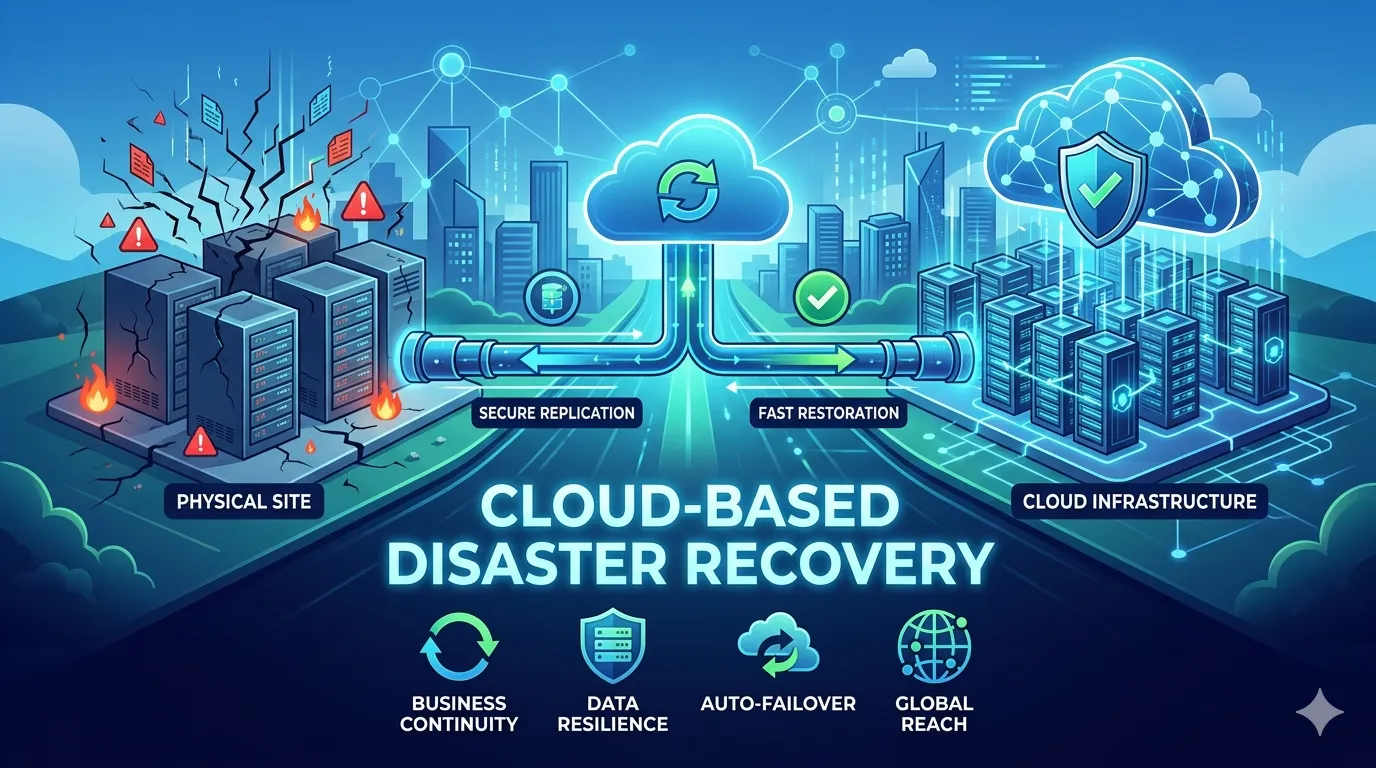
Ensuring business continuity in the face of unexpected disruptions is crucial. SAN storage provides robust backup and disaster recovery capabilities, allowing enterprises to create reliable and fast backups, replicate data to remote sites, and ensure quick recovery in the event of data loss.
Best Practices for Implementing SAN Storage
Assess Your Needs
Before implementing SAN storage, it is essential to assess your organization’s specific storage needs. Consider factors such as data volume, performance requirements, and future growth projections. This assessment will help you choose a SAN solution that aligns with your business objectives.
Plan for Scalability
As your data grows, so will your storage needs. Plan for scalability by selecting a SAN solution that allows easy expansion of storage capacity. Ensure that the solution can accommodate future technologies and evolving storage requirements.
Implement Strong Security Measures
Data security should be a top priority when deploying SAN storage. Implement strong access controls, encryption, and regular security audits to protect your data from potential threats. Ensure that your SAN solution complies with relevant industry standards and regulations.
Optimize Performance
To maximize the performance of your SAN storage, consider factors such as network configuration, storage tiering, and workload distribution. Regularly monitor performance metrics and make necessary adjustments to ensure optimal performance.
Invest in Training
Ensuring that your IT team is well-versed in SAN storage technology is crucial for successful implementation and management. Invest in training programs and certifications to equip your team with the knowledge and skills needed to effectively manage SAN storage.
Conclusion
In the fast-paced world of modern enterprises, the ability to harness the potential of SAN storage can provide a significant competitive advantage. With its high performance, scalability, reliability, and enhanced data security, SAN storage is a powerful solution for meeting the complex storage needs of today’s data-driven organizations. By understanding its benefits and best practices for implementation, IT professionals, data managers, and tech enthusiasts can leverage SAN storage solution to drive efficiency, innovation, and business growth.































Sign in to leave a comment.