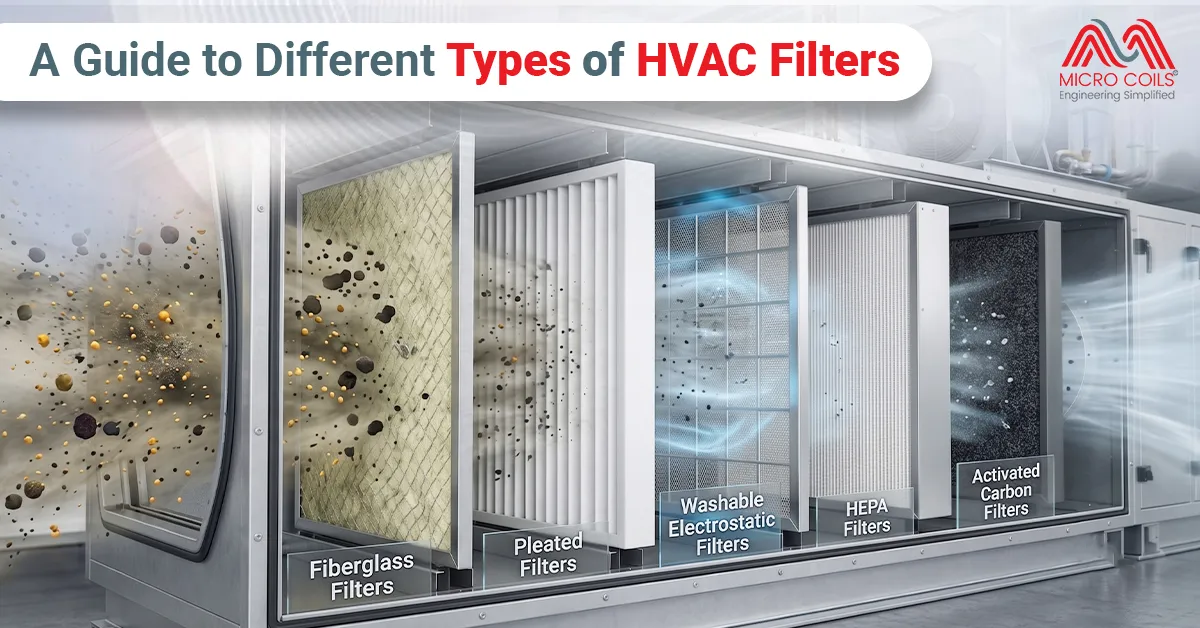

Most homeowners think about their HVAC system only when something goes wrong. The filter, however, is one part that deserves attention long before any problem develops. It sits quietly inside the system and does the unglamorous work of keeping your indoor air clean and your equipment protected. Knowing the different types of filters available helps you pick the right one for your home and avoid unnecessary repair bills down the line.
What HVAC Filters Actually Do?
Filters are not just about air quality. They protect the internal components of your HVAC system from dust, debris, and particles that can cause real damage over time. By trapping and holding various types of particulates and contaminants including dust, pollen, mold spores, and other allergens, air filters prevent these harmful substances from circulating in the air and also protect the vital components of the HVAC system from damage and wear.
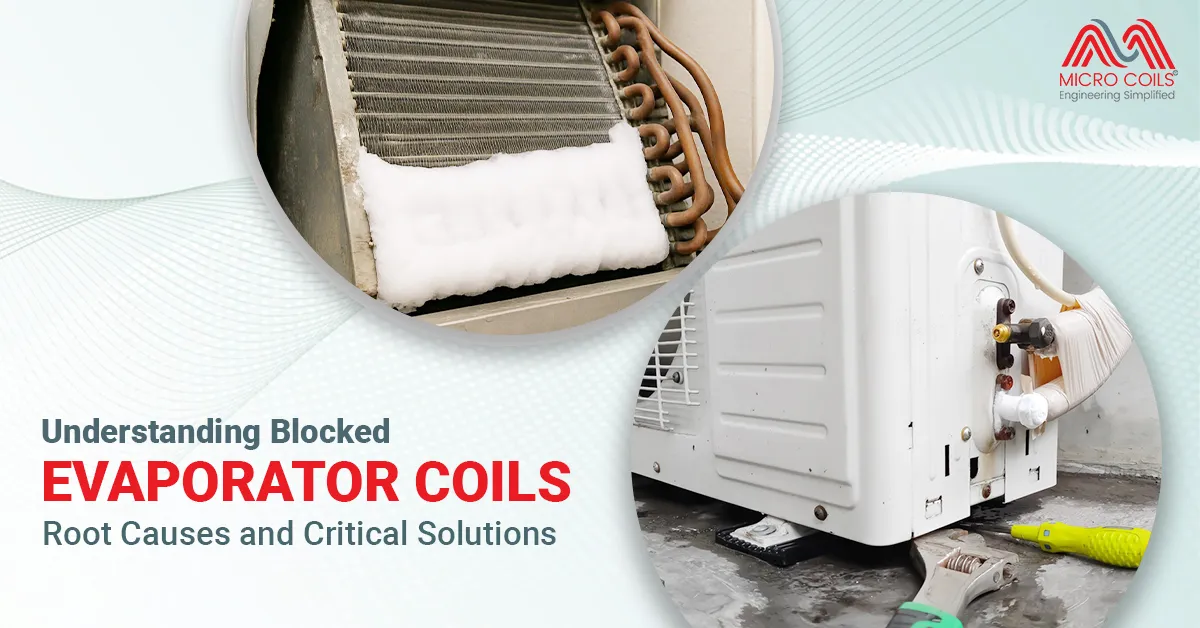
One component that benefits the most from a clean filter is the evaporator coil, which absorbs heat from indoor air to cool it down. When a filter gets clogged or is the wrong type for the system, airflow drops and the evaporator coil can freeze over, stopping the cooling process entirely. Different air filters have varying MERV ratings to determine efficiency levels, and this rating ranges from one to 16, with 16 being the best filtering ability, though a filter with a higher MERV rating can also lead to lower airflow. Choosing wisely means keeping the air clean without putting unnecessary strain on the system.
Fiberglass Filters
Fiberglass filters are the most basic and budget-friendly option on the market. Fiberglass filters are among the most commonly used and cost-effective HVAC filters, and one of their main advantages is their affordability, making them suitable for budget-conscious users. They are built from spun glass strands reinforced with a metal grate, and they do a reasonable job of keeping large particles out of the system.
Fiberglass filters allow for maximum airflow, but they do not do anything to improve indoor air quality, and a fiberglass HVAC filter may be right for you if you do not have any pets, allergies, or chronic respiratory conditions. Their MERV rating typically falls between one and four, which means finer particles pass right through them. For a simple, low-demand space with good base air quality, they serve their purpose without much fuss.
Pleated Filters
Pleated filters are a step up from fiberglass and represent the most common choice for residential and light commercial use. Pleated filters, made from materials such as polyester or cotton, are more effective than their fiberglass counterparts due to their larger surface area, allowing them to capture more particles. The folded design packs significantly more filtration material into the same frame size, and that extra surface area means the filter lasts longer before needing replacement.
These mid-range filters are rated between MERV 5 and 8, and they trap a majority of airborne pollen, pet dander, and dust mites measuring as small as 5 microns. Filters with MERV ratings between 9 and 12 are more efficient, capable of capturing smaller particles including some bacteria and viruses, making them suitable for commercial or medical office settings. For most homes with pets or mild allergy concerns, a pleated filter in the MERV 8 to 11 range hits the right balance between performance and cost.
Electrostatic Filters
Electrostatic filters work differently from standard mesh-based filters. Rather than just blocking particles, they use a static charge to actively pull them out of the airstream. Electrostatic filters are very effective because they employ an electric charge to trap particles of different sizes, and they are ideal for houses with modest air quality problems and are compatible with a variety of HVAC systems including central heating and air conditioning systems.
Unlike other types of filters, electrostatic filters come in washable versions, which cost more upfront, but because you can clean and reuse them, they usually pay for themselves over time. Washable versions need to be dried completely before going back into the system, otherwise moisture creates a perfect environment for mold. They work well for households that want better filtration without the cost of replacing disposable filters every few months.
HEPA Filters
HEPA filters sit at the top of the performance scale when it comes to particle removal. The United States Environmental Protection Agency states that these filters can remove up to 99.97 percent of bacteria, mold, pollen, dust, and other airborne particles. That level of filtration makes them the go-to choice for anyone dealing with severe respiratory conditions, allergies, or spaces where air cleanliness is non-negotiable.
At MERV 17 to 20, HEPA filters are capable of trapping 95 percent or more of mold, fine dust, asbestos, bacteria, and viruses measuring as small as 0.3 microns, but the problem with HEPA filters is that they drastically restrict airflow. Many standard residential HVAC systems are not designed to handle the pressure drop that comes with a HEPA filter, so it is worth consulting a technician before installing one. Used in the right setup, they provide exceptional protection for both occupants and equipment.
Activated Carbon Filters
Activated carbon filters tackle a problem that most other filter types simply cannot address. Dust and pollen are manageable with standard filters, but odors, gases, and chemical compounds require a completely different approach. A typical MERV value for an activated carbon filter is between eight and 12, and intriguingly, activated carbon filters adsorb contaminants without actually absorbing them, with adsorption being the process of particles adhering to the surface of a material rather than being absorbed into it.
Because of its porous structure, activated carbon has an enormous surface area that is extremely effective at neutralizing gases, cooking smells, and volatile organic compounds floating through the air. These filters are a practical addition for kitchens, homes near busy roads, or spaces with persistent odor issues. They work best when paired with a pleated or HEPA filter that handles solid particles, since carbon filters alone are not designed to capture dust or allergens efficiently.
How Filters Connect to Your Cooling Components?
Every filter type serves the same broad purpose: keeping the system clean and the air healthy. The AC condenser coil, which sits in the outdoor unit and releases heat absorbed from the indoor air, is one of the components most affected by poor filtration over time. Dust and debris that bypass a clogged or inadequate filter eventually settle on this coil, forming a layer of buildup that reduces heat transfer efficiency and forces the system to work harder to achieve the same results.
This is also where the AC coil price becomes a relevant consideration. Replacing a damaged or heavily fouled coil is one of the more expensive HVAC repairs a homeowner can face. A filter that is well-matched to your system and replaced on schedule protects these components and extends their working life considerably. Treating filter maintenance as a coil protection strategy, not just an air quality measure, puts the real value of a good filter into clearer perspective.
Choosing the Right Filter for Your Home
The right filter depends on your household, your system, and what you need from your air. When deciding on an HVAC air filter, always consider your demands in terms of air quality, whether or not you have allergies, and which filters are compatible with your system, as well as the filter's material, its MERV rating, and whether it is better to use disposable or reusable filters.
Investing in a high-quality HVAC filter extends HVAC life by reducing wear and tear on your system, since pollutants can clog your HVAC system, causing it to become inefficient or work harder than it should, which leads to premature part wearing or breakdowns. Checking the filter once a month and replacing it on the recommended schedule for your chosen type is the single simplest maintenance habit that protects your system and keeps your indoor air clean year-round.
Conclusion
HVAC filters come in a wide range of types, each with different strengths and trade-offs. Fiberglass filters keep costs low for simple spaces. Pleated filters offer a well-rounded balance of performance and price. Electrostatic and HEPA filters deliver stronger filtration for households with higher air quality demands. Activated carbon and UV filters address specific concerns like odors and microorganisms that standard filters cannot handle. Understanding what each filter does, and what it costs to maintain, makes it far easier to choose one that genuinely fits your home and keeps your HVAC system running the way it should for years to come.



























Sign in to leave a comment.