

In today's digital age, a strong online presence is no longer a luxury, it's a necessity. Whether you're just starting out or looking to revitalize your existing business, online marketing strategies are your key to unlocking a world of potential customers and propelling your business towards success. This guide will equip you with the knowledge and tools you need to craft a winning online marketing strategy, ensuring your brand resonates with the right audience and drives sustainable growth.
Understanding the Landscape: Your Foundation for Success
Before embarking on your online marketing journey, it's crucial to understand the digital landscape. Start by defining your target audience. Who are you trying to reach? What are their needs, wants, and online behavior? Conducting thorough market research will help you tailor your messaging and tactics to resonate with them.
Next, identify your key competitors. Analyze their online presence, including their website, social media channels, and marketing campaigns. This will provide valuable insights into what's working and what gaps you can exploit to differentiate your brand.
Finally, set SMART goals for your online marketing efforts. These goals should be Specific, Measurable, Achievable, Relevant, and Time-bound. This ensures you're focusing your efforts on what truly matters and can track your progress effectively.
Building Your Digital Arsenal: Essential Online Marketing Strategies
Now that you have a solid foundation, let's explore the essential online marketing strategies you need to implement:
1. Content Marketing: The Gift that Keeps on Giving
Content marketing is the bedrock of any successful online marketing strategy. It involves creating high-quality, informative content that attracts and engages your target audience, builds trust, and establishes your brand as a thought leader. This could include blog posts, articles, infographics, videos, and even interactive content like quizzes and polls.
2. SEO: Climbing the Search Engine Rankings
Search Engine Optimization (SEO) ensures your website ranks higher in search engine results pages (SERPs). This increases website traffic, leads, and ultimately, conversions. Implementing SEO best practices, including keyword research, on-page optimization, and link building, is crucial for organic visibility and long-term success.
3. Social Media Marketing: Engaging Where Your Audience Lives
Social media platforms are powerful tools for connecting with your target audience, building brand awareness, and fostering community engagement. Choose the platforms your audience uses most, like Facebook, Instagram, LinkedIn, or Twitter, and create engaging content that sparks conversations and builds relationships.
4. Paid Advertising: Reaching Your Target Audience with Precision
Paid advertising platforms like Google Ads and Facebook Ads offer targeted advertising solutions to reach specific demographics and interests. This allows you to precisely reach your ideal customers and maximize your marketing ROI.
5. Email Marketing: Building Personal Connections That Drive Conversions
Email marketing remains a highly effective way to nurture leads, convert them into customers, and build loyalty. Build your email list by offering valuable content and incentives, and use email automation to deliver personalized messages that resonate with your audience throughout the customer journey.
Beyond the Basics: Unlocking Advanced Online Marketing Strategies
As your business grows and your online presence matures, consider incorporating advanced strategies to further optimize your efforts:
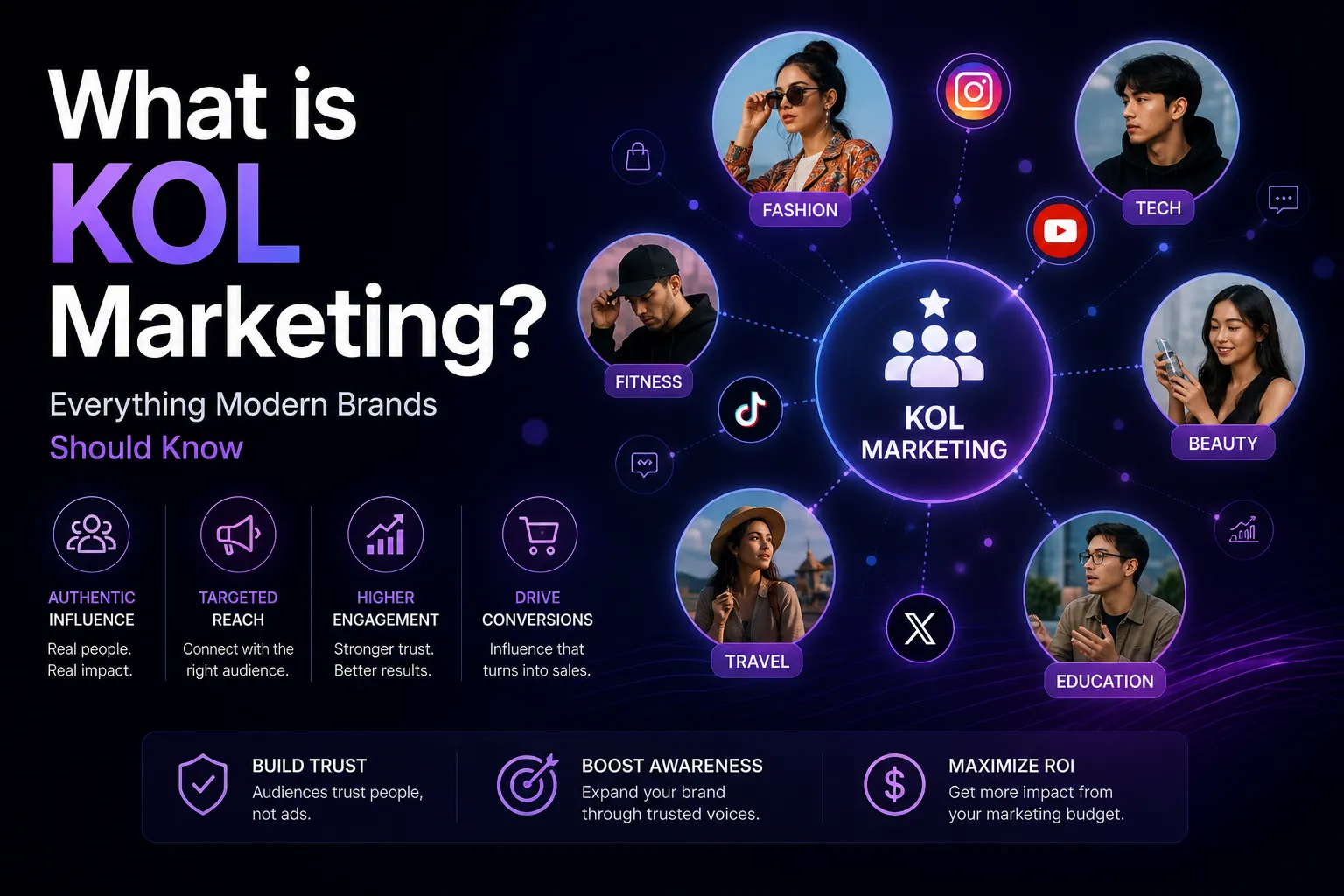
1. Influencer Marketing: Leveraging Social Proof and Credibility
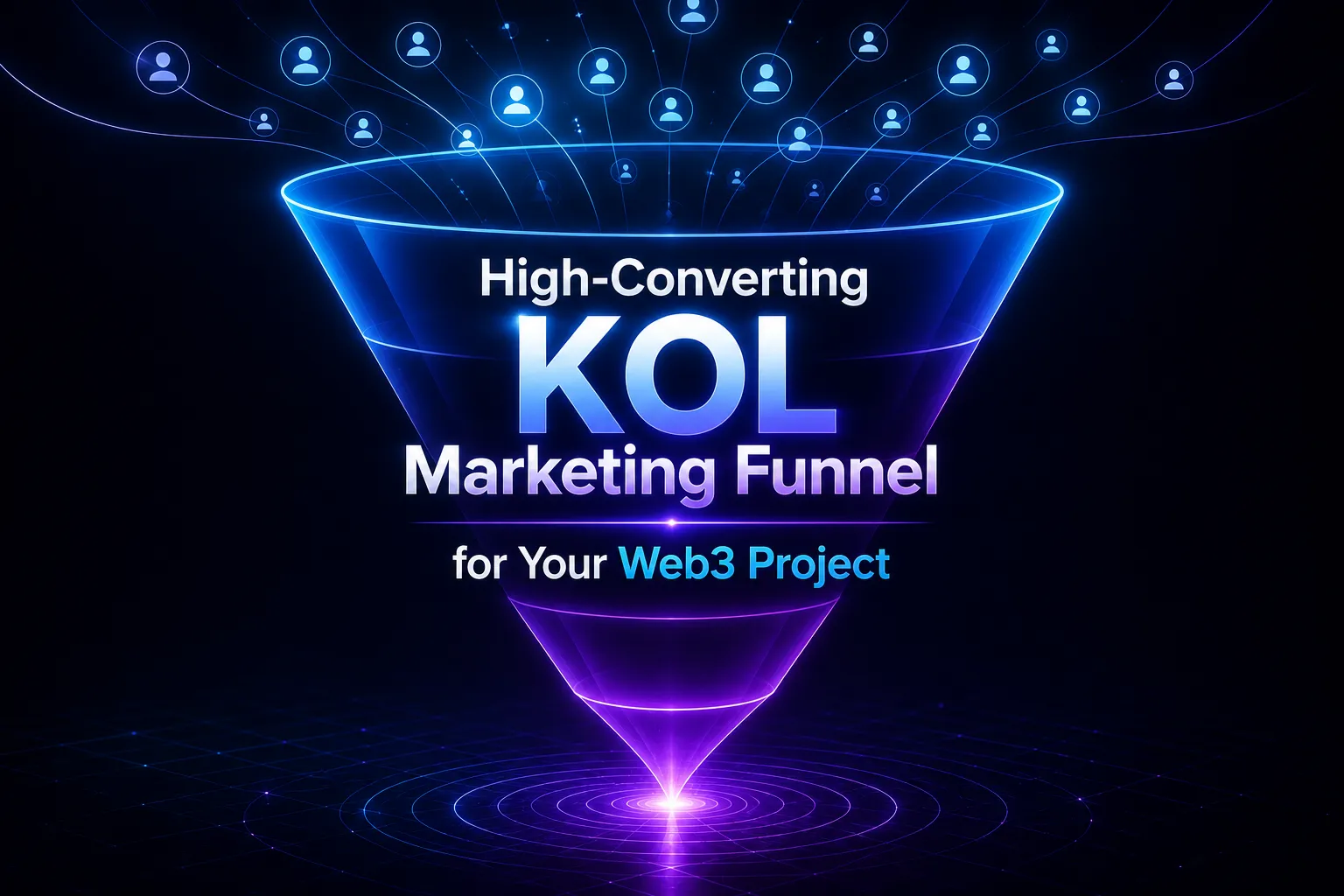
Partnering with relevant influencers in your industry can tap into their established audience and leverage their social proof to gain credibility and reach new customers.
2. Account-Based Marketing (ABM): Focusing on High-Value Accounts
ABM involves tailoring your marketing efforts towards specific high-value accounts, offering personalized experiences and demonstrating deep understanding of their needs.
3. Marketing Automation: Streamlining Efficiency and Personalization
Marketing automation tools can automate repetitive tasks like email campaigns and lead scoring, freeing up time for strategic planning and personalization.
4. Website Analytics: Measuring and Optimizing for Continuous Improvement
Utilizing website analytics tools like Google Analytics provides valuable insights into your audience's behavior and website performance. Analyze this data regularly to identify areas for improvement and optimize your online marketing strategy for maximum impact.
Remember, Online Marketing is a Journey, Not a Destination
Building a successful online presence requires continuous effort, adaptation, and learning. Be prepared to experiment, analyze your results, and refine your approach based on data and feedback. Stay informed about the latest trends and technologies, and invest in ongoing learning to stay ahead of the curve in the ever-evolving digital landscape.





















Sign in to leave a comment.