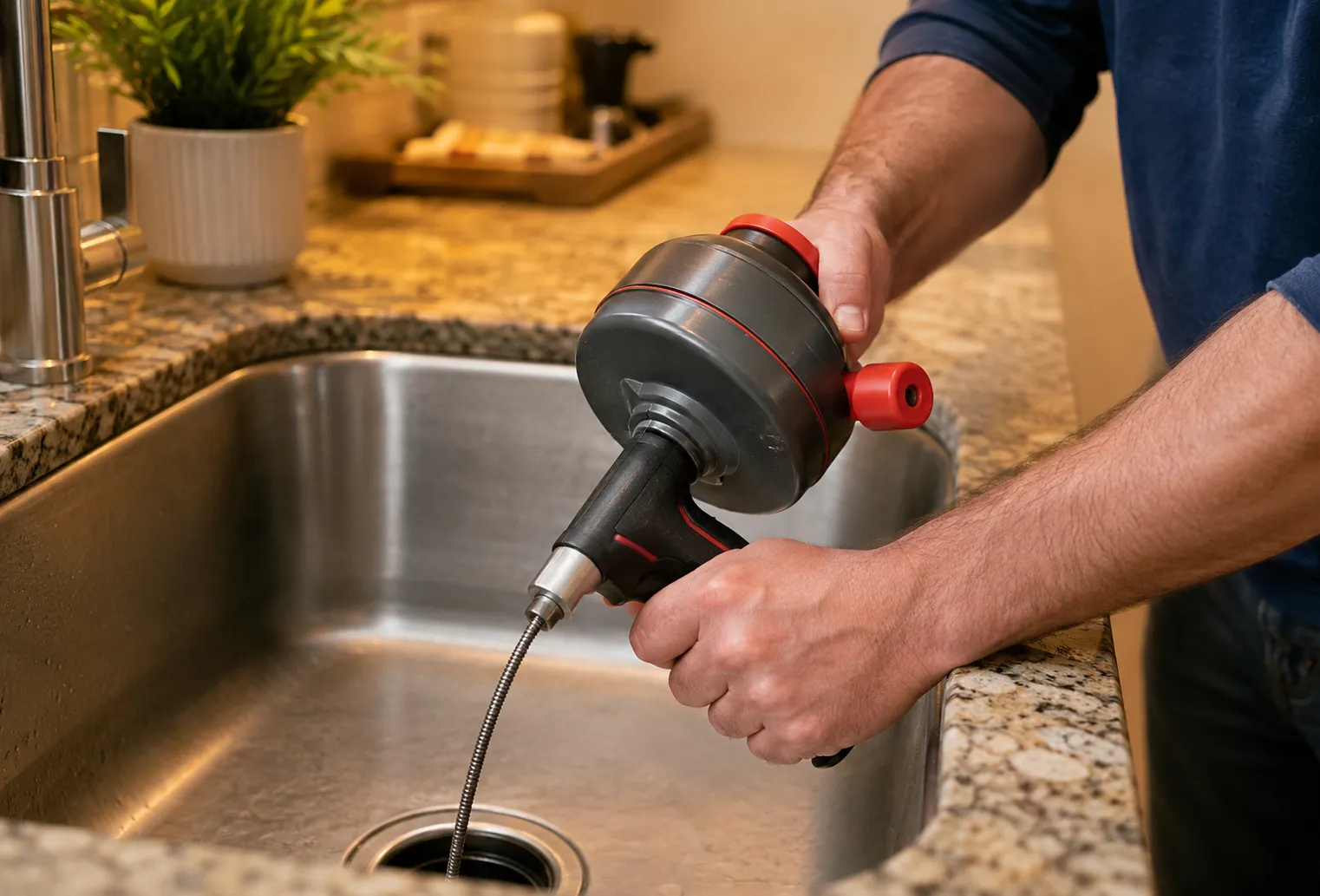

Few household chores get overlooked as often as cleaning drains, yet few have as big an impact on your home's plumbing health. Every sink, tub, and floor drain in your house is quietly collecting debris day after day, and without regular attention, that buildup eventually turns into slow drainage, bad odors, or a full blockage. Understanding what causes clogs — and how to stay ahead of them — can save homeowners significant time, money, and stress.
Why Regular Maintenance Matters
Pipes don't clog overnight. Grease congeals along the inner walls of kitchen drains, hair and soap scum build up in bathroom lines, and mineral deposits slowly narrow the diameter of pipes over years of use. Outdoors, tree roots search out moisture and can work their way into aging sewer lines through the smallest cracks. Each of these issues starts small, but without consistent drains cleaning, they compound until a fixture backs up completely — often at the most inconvenient time.
Routine maintenance interrupts that buildup before it becomes a problem. Just as you'd change a furnace filter or service a car on a schedule, keeping drains clear on a regular basis protects the rest of your plumbing system from unnecessary strain.
Everyday Habits That Help
A few simple habits go a long way toward reducing how often you need deeper intervention. Avoid pouring grease or oil down kitchen sinks, since it solidifies as it cools and traps other debris. Use drain guards or strainers in showers and tubs to catch hair before it enters the pipe. Run hot water through drains after each use to help flush away residue, and avoid relying on harsh chemical cleaners too often, as they can corrode older pipes over time without fully clearing the underlying blockage.
These habits help slow the buildup, but they aren't a substitute for a deeper, professional clean every so often — especially for main lines that aren't visible or easily accessed.
When DIY Isn't Enough
Plungers, drain snakes, and store-bought solutions can handle minor, surface-level clogs, but they rarely reach blockages further down the line. If a drain keeps clogging shortly after you clear it, or if multiple fixtures are draining slowly at once, it's usually a sign that the issue sits deeper in the plumbing system than household tools can reach.
In these cases, professional cleaning drains equipment — including motorized augers and high-pressure water jetting — clears the pipe fully rather than just pushing the blockage further along. Many plumbers also use camera inspections to identify exactly where and why a line is blocked, so the right method is used the first time instead of guessing.
The Long-Term Payoff
Homes that stay on top of drains cleaning tend to avoid the bigger, costlier problems that come with neglect — burst pipes, sewage backups, water damage, and premature pipe replacement. A properly maintained drainage system also helps reduce strain on your home's foundation, since standing or backed-up water near pipes can contribute to moisture issues over time.
Scheduling a professional inspection and cleaning every year or two, even without obvious symptoms, is one of the most cost-effective ways to protect your plumbing investment. It's far easier — and cheaper — to prevent a blockage than to repair the damage one leaves behind.
Final Thoughts
Keeping on top of cleaning drains doesn't have to be complicated, but it does require consistency. Simple daily habits combined with periodic professional drains cleaning can keep your home's plumbing running smoothly for years, helping you avoid the inconvenience — and expense — of emergency repairs down the road.





























Sign in to leave a comment.