

Building a feature-rich taxi ordering app can transform your business. Riders today expect convenience and safety at every tap. In fact, one of the key benefits of a taxi app is offering real-time tracking and GPS navigation. Passengers want to see where their cab is and know when it will arrive. Similarly, features like fare estimation, cashless payments, and driver ratings are must-haves for a modern ride-hailing service. Whether you’re working with a specialist taxi app development company or building in-house, including these essentials will set your app apart.
Key Passenger (Rider) Features
Easy Sign-Up & Profiles: A simple registration keeps users happy. Ask only for basic info (name, phone, email) to avoid frustration. Let riders save favorite addresses (home, work) so they don’t retype them each time.
Ride Booking & Scheduling: Allow riders to book a ride instantly or schedule it for later. A clear booking flow (enter pickup/dropoff, choose car type) makes ordering a cab easy. The app should let users set a future pickup time for planned trips. This scheduling flexibility is great for daily commuters and airport runs.
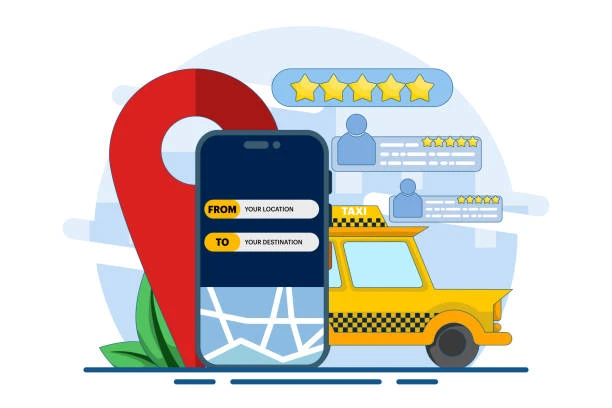
Real-Time GPS Tracking: Show the driver’s location and route on a map in real time. Giving passengers a live map view builds trust and reduces anxiety. With GPS tracking, riders can estimate arrival time and feel secure about their journey.
Transparent Fare Estimates: Automatically calculate the fare before booking. Riders should see an estimated price (including any surge or rate changes) so there are no surprises. Displaying a fare breakdown or rate card promotes transparency and keeps users satisfied.
Multiple Vehicle Options: Let customers choose from car categories (economy, premium, SUV, etc.) based on their needs and budget. Showing different vehicle types and prices helps riders pick the right ride.
Secure In-App Payments: Support multiple payment methods: credit/debit cards, mobile wallets, or in-app wallets. Cashless payments are now standard. An in-app wallet or saved card functionality makes checkout quick and secure. Send a digital receipt or invoice automatically at trip end.
Trip History & Receipts: Maintain a log of past rides with details (date, route, fare, driver). This history helps riders track spending and rebook frequent trips easily. Showing completed trip history builds user trust.
Ratings & Feedback: After each ride, prompt the passenger to rate the driver and leave comments. User reviews on drivers encourage quality service. Positive feedback rewards great drivers; constructive criticism highlights issues to fix. Over time, ratings help maintain high service standards.
In-App Communication: Provide a way for riders to contact their driver safely. A call or chat feature within the app lets customers relay pickup changes or updates. In-app messaging or click-to-call protects both parties’ privacy and solves issues quickly.
Safety Features: Include emergency options for peace of mind. Allow riders to share trip details or real-time location with a trusted contact. An SOS or emergency button can alert authorities if needed. These safety tools build confidence in your app’s reliability.
Promotions & Referrals: Encourage growth by offering coupons or referral bonuses. Riders love discounts, so integrating promo code entry is smart. A referral program lets existing users invite friends to earn ride credits. Such incentive features can spread word-of-mouth about your app.
Each of these rider-side features contributes to a smooth, safe, and satisfying experience. They not only meet user expectations but also set your app apart in a competitive market.
Key Driver Features
Driver Onboarding & Profiles: Make driver sign-up easy but secure. Each driver should have a profile with verified info (license, vehicle details). Provide a simple login and password-recovery option. This ensures drivers can get started quickly and safely.
Real-Time Ride Alerts: Notify drivers instantly when a ride request comes in. Timely push alerts (within a second) let drivers accept trips before other drivers do. This avoids missed bookings and keeps your fleet efficient. Delays or glitches here can cost rides.
Turn-by-Turn Navigation: Integrate GPS navigation directly into the app. Drivers should not have to switch between apps to find routes. Built-in, real-time routing (with traffic updates and rerouting) helps drivers reach pickups and drop-offs faster. A good navigation feature reduces stress and delays on the road.
Simple Online/Offline Toggle: Let drivers switch on/off availability with one tap. A prominent Go Online button means drivers don’t have to dig through menus to accept trips. Keeping this toggle intuitive prevents confusion and missed rides.
Trip Details & Earnings: For every accepted trip, show drivers clear details (pickup/dropoff addresses, rider rating). After the ride, present a transparent summary: fare, distance, duration, and any commission. The app should display drivers’ earnings, deductions, and total payouts clearly. Clarity in earnings builds driver trust.
Driver Analytics & History: Maintain a log of each driver’s completed trips and income. Providing easy access to past trips, weekly earnings, and performance metrics helps drivers track their progress. Tools like weekly/monthly reports keep drivers motivated by showing how much they’ve earned.
In-App Support & Communication: Give drivers a quick way to reach dispatch or support. If a problem comes up, they should call or message your team within the app. Good support keeps drivers happier and more reliable.
Multilingual Interface: If your driver pool is diverse, allow the app to be used in multiple languages. A driver-friendly app should support the native languages of its users. This small feature can significantly improve usability for non-English-speaking drivers.

Putting yourself in the driver’s seat, these features make their job easier and your service more reliable. An efficient driver app means quicker pickups, fewer errors, and happier drivers – which ultimately leads to happier customers.
Tips for Choosing the Right Taxi App Development Company
Clarify Your Needs: Before you evaluate developers, list the features you want (e.g., live tracking, in-app payments, safety tools). Knowing your requirements helps you communicate clearly with any taxi app development company. Also, think about future growth – do you plan to expand to new cities? Choose a company that can scale your app as your business grows.
Check Experience and Portfolio: Look for firms that have built taxi or ride-hailing apps before. Review their portfolio and case studies. Have they delivered reliable, user-friendly apps? If possible, test any demo or live apps they have. Experienced developers will understand industry challenges and best practices.
Read Client Reviews: See what past clients say about them. Positive testimonials and high ratings indicate a trustworthy partner. Reach out to references if you can. Ask how the developers handled deadlines, communication, and bug fixes. This helps predict what it’s like to work together.
Evaluate Technical Expertise: Ensure the team is comfortable with modern tech (GPS APIs, payment gateways, scalable cloud backends). They should offer guidance on the best stack for your app. A good developer will talk about security (especially for payments and data protection) and propose solutions for both iOS and Android platforms.
Discuss Support and Maintenance: After launch, you’ll need updates and bug fixes. Confirm whether the company offers ongoing support. Who will handle app store approvals, updates for new OS versions, or adding features later? A development partner who provides reliable maintenance will keep your app running smoothly in the long run.
Balance Cost vs. Value: Don’t pick purely on the lowest price. Quality taxi apps require skilled work. Consider the overall value: the cheapest developer may produce a buggy or unscalable app, which costs more later. Transparent pricing models (fixed-price or hourly) are good, but ensure everything is clearly defined. You might pay more upfront for a higher-quality app, but it will save money and headaches in the future.
In short, choose a developer that understands your vision, has proven expertise, and communicates well. Their experience will guide you toward the right feature set and a reliable final product.
Ready to make your taxi service mobile-friendly? Consult a professional taxi app development company or experienced developers to bring these features to life. With the right team, you’ll have an app that delights riders, empowers drivers, and drives your business forward.






























Sign in to leave a comment.