
Most homeowners think longevity comes from choosing the “strongest” shingle or the thickest material. But a long-lasting roof isn’t about one product. It’s about choosing the right combination of materials, structure, ventilation, installation quality, and climate compatibility. A roof built to last 30 years can fail in 10 when the wrong choices are made—and a roof designed intelligently can outperform its expected lifespan by decades. If you’re planning a roof project or evaluating long-term options with a Smithtown Roofing Contractor, understanding what truly determines durability is the key to making the smartest investment for your home.
Material Quality Matters—but It’s Not the Whole Story
Yes, some roofing materials naturally last longer than others. But homeowners often focus on the wrong details. They compare color, style, and price instead of lifespan, performance, and structural needs. Common long-lasting roofing materials include: Architectural asphalt shingles Metal roofing Slate Synthetic slate or shake Clay or concrete tiles Each material has different strengths, weight requirements, and weather performance. Choosing longevity isn’t about picking the “best” material—it’s about picking the right material for your climate, budget, and home structure.
Match Your Roof to the Local Climate
Climate is one of the biggest factors in how long a roof lasts. A material that thrives in dry heat might fail quickly in a coastal storm zone. A roof built for snow may not perform well in intense summer temperatures. Consider: Wind resistance UV exposure Freeze-thaw cycles Humidity Salt air (near coastlines) Heavy rainfall patterns Roofing materials have ratings and performance specs designed for these exact conditions. Matching your roof to your environment adds years to its lifespan.
Ventilation: The Silent Lifespan Multiplier
Most roofing damage starts underneath, not on top. Poor ventilation cooks shingles in summer and traps moisture in winter. Even with premium materials, inadequate airflow leads to: Premature shingle aging Rotting roof decking Mold and mildew in the attic Higher energy bills Weak structural support A long-lasting roof must include proper ridge vents, soffit vents, and airflow systems that maintain a stable attic temperature year-round.
Underlayment: The Invisible Protector
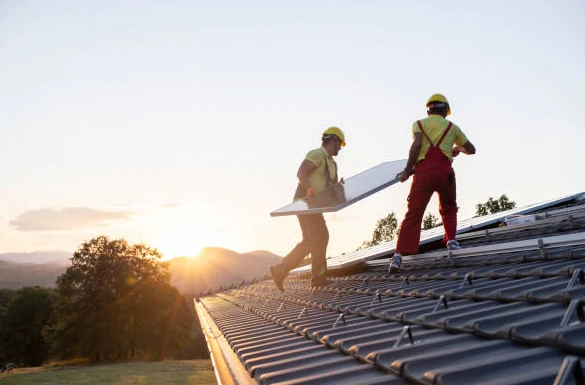
Underlayment may be one of the least understood components of roofing, but it plays a massive role in longevity. It sits beneath the shingles as a secondary water barrier. When storms push water under shingles, high-quality underlayment stops it from reaching the decking. Types of underlayment that improve longevity include: Synthetic underlayment High-performance ice and water shield Moisture-resistant membranes Choosing a strong underlayment is one of the best ways to extend the lifespan of the entire roof.
Installation Quality Is More Important Than Material
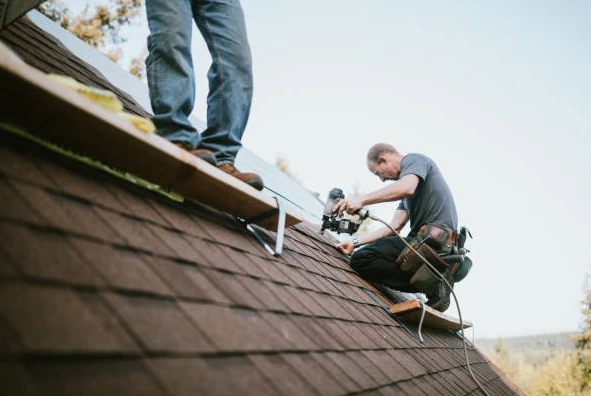
Even the strongest materials fail when installed incorrectly. Poor nailing, weak flashing, misaligned shingles, and improper sealing all lead to early roof failure. Many roofs that “age fast” were sabotaged from day one by inexperience or shortcuts. A long-lasting roof demands: Correct nailing patterns Proper flashing installation Perfect shingle alignment Proper overlap and layering Secure drip edges Clean ventilation routes Few homeowners realize how much precision goes into a roof that will truly last.
Flashing: The Weak Point That Determines Roof Life
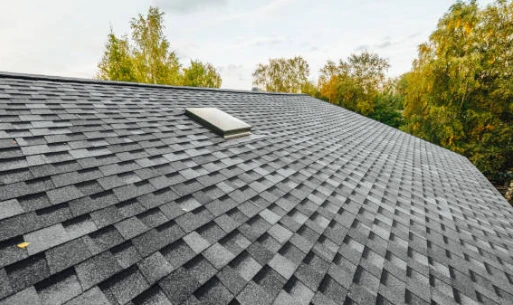
Flashing protects the most vulnerable points—chimneys, skylights, vents, and wall intersections. Most leaks begin here, and when flashing fails, the damage spreads fast. For a long-lasting roof, flashing must be: Rust-resistant Properly layered Tightly sealed Strong enough to handle movement Installed by experienced professionals Skipping or reusing old flashing is one of the biggest threats to roof longevity.
Roof Pitch Affects Lifespan
The slope of your roof determines how fast it sheds water, snow, and debris. Steeper roofs generally last longer because water drains quickly and debris doesn’t settle. Low-slope roofs need more durable materials and stronger waterproof barriers to match the lifespan of pitched roofs. Understanding your roof’s pitch helps you choose materials and drainage systems that maximize long-term performance.
Gutter Performance Impacts Roof Lifespan
Gutters are essential for longevity. When they clog or pull away from the roofline, they trap water where shingles, decking, and fascia boards are most vulnerable. Gutter issues accelerate roof aging through: Rot Mold Ice dams Soaked underlayment Sagging roof edges A roof that lasts must include a well-maintained gutter system.
Don’t Forget About Weight Load
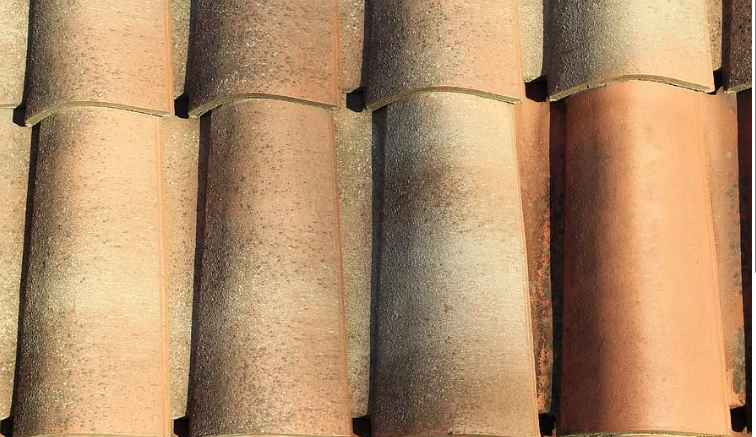
Materials like slate, clay, and concrete are incredibly durable—but heavy. Your home must be engineered to support the load. Ignoring weight limits leads to structural stress that shortens roof life. If you want a long-lasting heavy material, ensure your home can safely support it.
Moss, Algae, and Debris Shorten Lifespan
Organic buildup traps moisture, softens shingles, and wears down materials. Even the best roofs age faster when debris accumulates. Common threats include: Moss Algae Leaves Branches Dirt buildup in valleys Regular cleaning significantly extends roof life.
A Long-Lasting Roof Needs Maintenance
Longevity doesn’t come from installation alone. Every roof needs maintenance to stay in peak condition. Maintenance includes: Annual inspections Gutter cleaning Clearing debris Checking flashing Monitoring ventilation Addressing damaged shingles Removing moss and algae A well-maintained roof always outlasts a neglected one.
Choose Materials Designed for Your Budget and Lifespan Goal
Not every homeowner needs a 50-year roof. Some prefer a 20- or 30-year solution. Roof longevity depends on your long-term plans. Think about: How long you plan to stay in the home Resale value (buyers love newer roofs) Maintenance costs over time Local climate demands Insurance requirements Choosing the right lifespan for your goals is just as important as choosing the right material.
The Big Picture: Longevity Comes From Layered Protection
There’s no single magic material or product that guarantees decades of durability. The longest-lasting roofs are built from a combination of the right materials, expert installation, smart ventilation, strong underlayment, and consistent maintenance. When all these elements work together, the roof protects your home for far longer than its rated lifespan.






















Sign in to leave a comment.