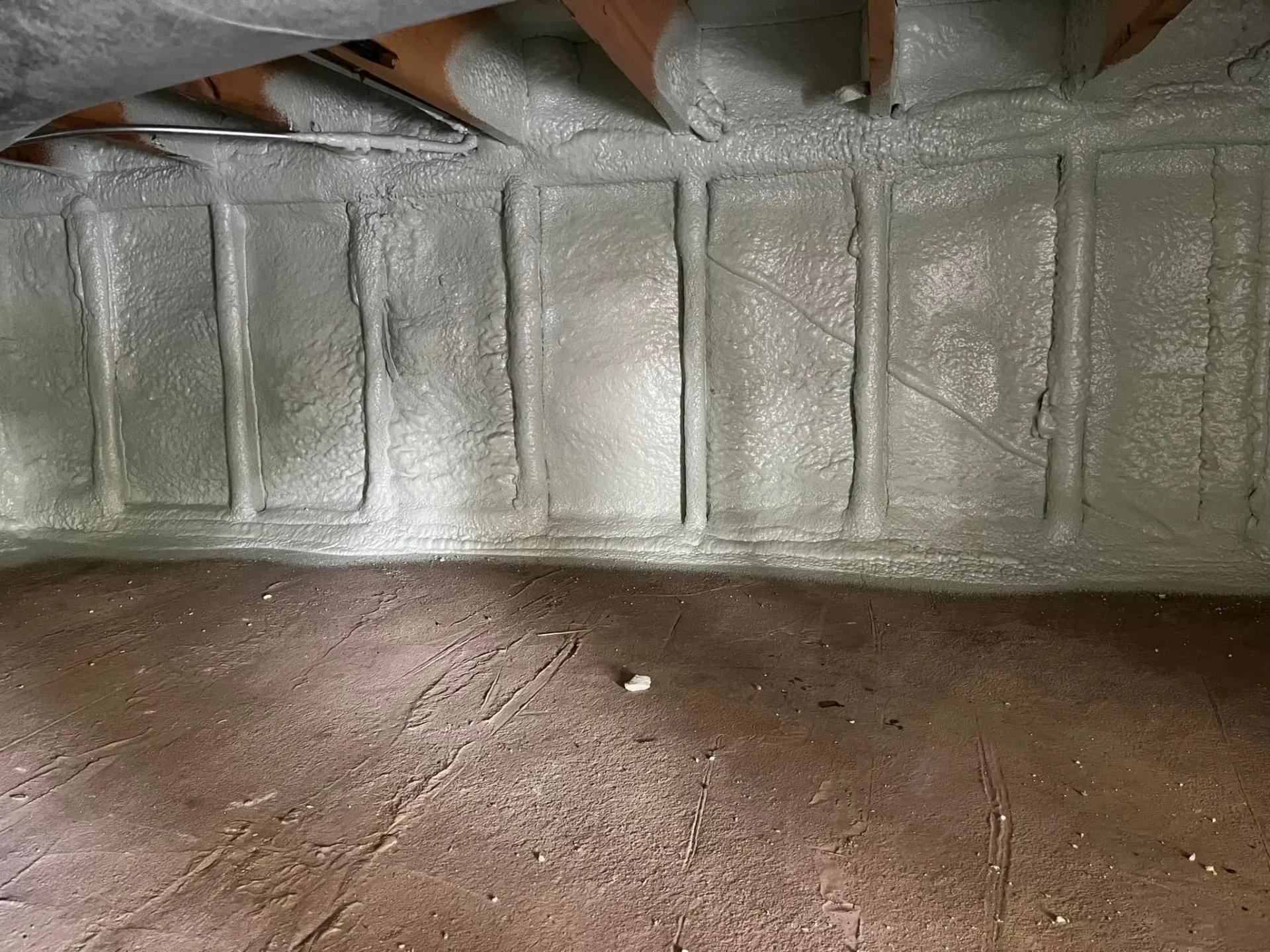

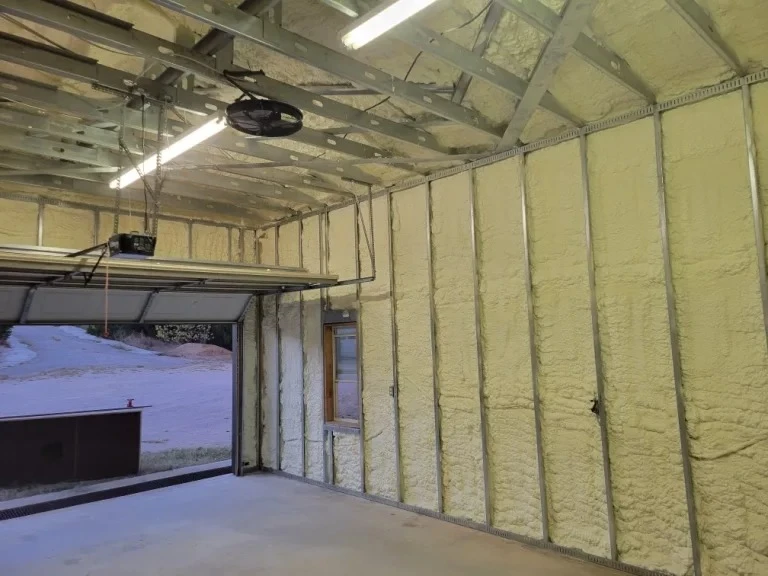
Modern insulation works by establishing a continuous air seal and thermal barrier that prevents conditioned air from escaping a building. High performance spray foam serves as the primary solution for this goal because it expands into gaps and voids that traditional fiberglass materials simply cannot reach. This method effectively prevents heat transfer and air leakage, resulting in lower utility bills and more consistent indoor temperatures.
The following details explain how property owners can upgrade their structures for long term efficiency. This guide covers material selection, regional requirements, and the specific steps needed for a successful installation. With expert field knowledge, this information helps readers make informed choices about protecting their residential or commercial investments.
Evaluating High-Performance Insulation Materials
Choosing the right material is the most important step in a professional insulation project. Different buildings require specific characteristics to handle weight, moisture, and thermal resistance effectively. Property owners must understand how open cell and closed cell options perform in various parts of a structure to ensure the best results.
Comparing Open Cell and Closed Cell Characteristics
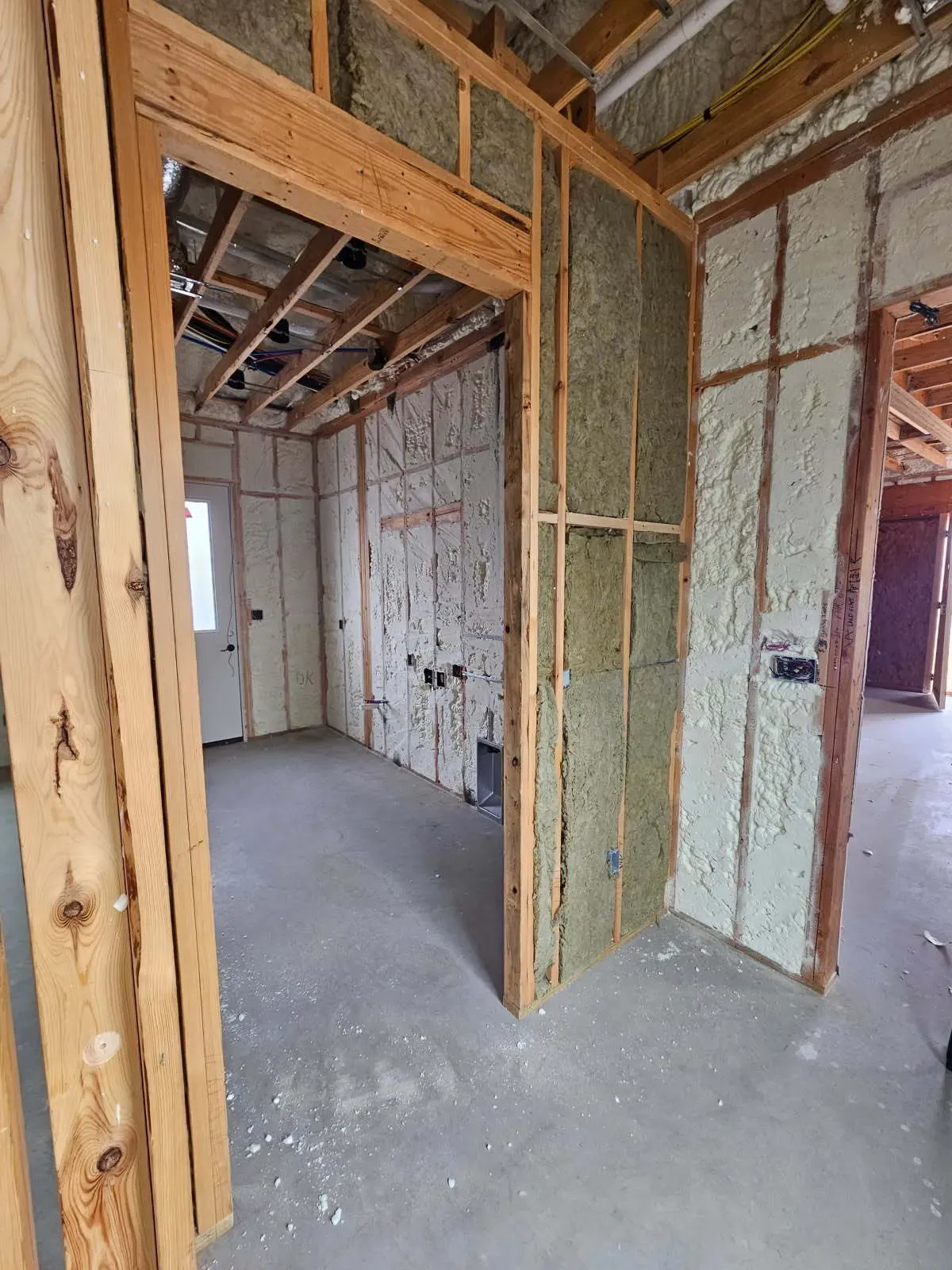
The primary difference between the two main types of foam lies in their density and how they interact with moisture. Open cell foam is lightweight and flexible, making it excellent for interior walls and attic ceilings in residential homes. Closed cell foam is much denser and more rigid, which provides extra structural strength and acts as a complete vapor barrier.
Technical Specifications and Performance Data
Performance data helps identify which material best suits a particular climate or building type. In regions with high humidity, a moisture-resistant material is often necessary to prevent wood rot or mold growth. The table below outlines the basic differences between these two common spray foam solutions.
| Feature | Open Cell Foam | Closed Cell Foam |
|---|---|---|
| R-Value Per Inch | 3.5 to 3.8 | 6.0 to 7.0 |
| Air Sealing | Highly Effective | Highly Effective |
| Vapor Barrier | No | Yes |
| Material Density | 0.5 lbs per cubic foot | 2.0 lbs per cubic foot |
| Primary Benefit | Sound Dampening | Structural Strength |
Bonus Tip Air Seal the Rim Joists
Insulating the rim joists in a basement or crawlspace is a practical way to stop cold drafts from entering the main floor. These areas are often overlooked but represent a major source of air leakage in older homes. Applying a layer of closed cell spray foam insulation here creates a permanent seal that fiberglass batts cannot achieve.
Standard Installation Depth Requirements
Installers typically apply open cell foam at a thickness of five to ten inches depending on the local building codes. For closed cell applications, two to three inches is often enough to provide a superior thermal barrier and vapor protection. Meeting these depth requirements ensures the building performs at peak efficiency.
Regional Climate and Building Needs
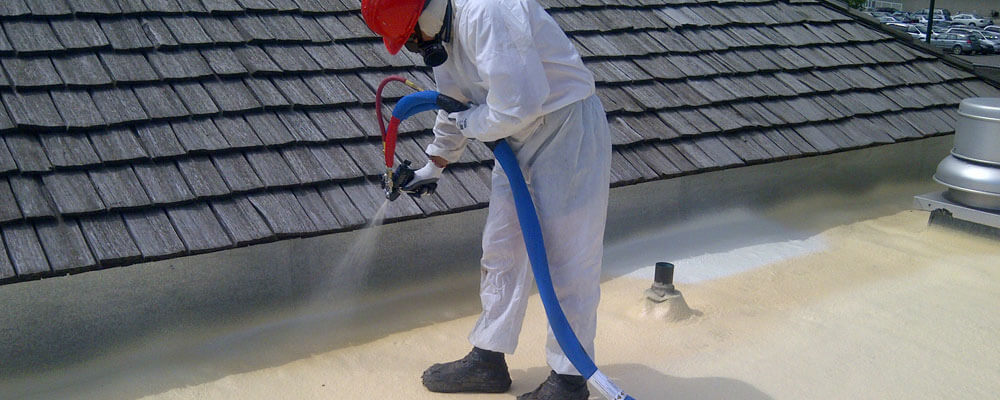
In the Texas climate, buildings face extreme heat during the summer months which puts massive pressure on cooling systems. Spray Foam Tech provides specialized applications that address these regional challenges by reducing the radiant heat gain through the roof. This approach keeps attics much cooler and protects HVAC equipment from overheating.
Mechanics of Convection Control
Heat moves through a building in three ways: conduction, radiation, and convection. While most insulation materials handle conduction, only spray foam effectively stops convection by preventing air from moving through the material itself. This dual action makes it a superior choice for maintaining a steady indoor climate regardless of the outside weather.
Managing Attic Temperatures
When technicians apply foam directly to the roof deck, they move the thermal boundary of the home to the roofline. This change turns the attic into a conditioned space that stays within a few degrees of the rest of the living area. This method is beneficial for homes with attic air ducts.
Bonus Tip: Check Venting Needs
If a property owner chooses to insulate the roof deck, they must ensure the attic is no longer vented to the outside. Traditional vents allow hot, humid air to enter the space, which can cause condensation issues if the thermal barrier is at the roofline. Closing off these vents is a necessary part of modern insulation.
Long-Term Material Stability
One of the greatest advantages of this technology is that it does not sag or settle over the years. Traditional cellulose or fiberglass can lose their effectiveness as they pack down or move around due to wind. Spray foam stays exactly where it is applied for the entire life of the structure.
Things to Consider Before Making a Decision
Before hiring a team for an insulation project, several factors should be reviewed to ensure the building is ready. Addressing existing issues first will prevent complications later and ensure the new material performs as intended. Property owners should look at the following pre-decision factors.
- Check the roof for any active leaks that could trap moisture behind the new foam.
- Evaluate the age of the electrical wiring to ensure it is safe to insulate.
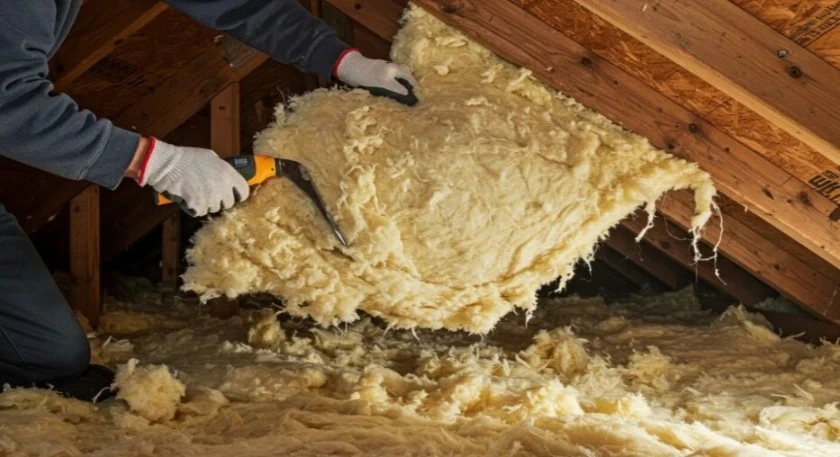
- Determine if old, contaminated insulation needs to be removed to improve indoor air quality.
- Verify if the building requires a specific fire rating for the insulation based on local city codes.

Preparing for a Successful Installation
Preparation is key to a clean, efficient installation process that minimizes disruption to the home. Clearing the area and ensuring proper ventilation allows the technicians to work faster and achieve a more uniform application. Following these steps helps the project move forward without any unnecessary delays.
- Remove all stored items and debris from the attic or crawlspace before the crew arrives.
- Cover any nearby furniture or flooring with plastic sheeting to protect against accidental overspray.
- Make sure there is a clear path for the hoses to reach from the equipment truck to the application site.
- Plan to stay away from the property for twenty four hours to allow the material to fully cure.
Common Questions Regarding Building Efficiency
How long does the spray foam application process usually take?
Most residential projects can be completed in a single day, depending on the size of the area being treated. This includes the time needed for site preparation, the actual spraying, and a final inspection by the team. Larger commercial buildings or full insulation removals may take 2 to 3 days to complete.
Will this material help reduce noise from the outside?
Open cell foam is highly effective at absorbing sound waves, which helps create a much quieter indoor environment. It reduces the transmission of noise from traffic, sirens, or loud neighbors by filling the gaps where sound usually travels. This is a popular choice for homes located near busy roads or airports.
Is it safe to stay in the house while they are spraying?
Property owners and pets should leave the building while the foam is being applied and for twenty four hours afterward. This window of time allows the material to finish the curing process and ensures that any odors have completely dissipated. Technicians use specialized safety gear to protect themselves during the work.
Does spray foam insulation attract pests or rodents?
Spray foam is not a food source for insects or rodents, and its rigid structure makes it difficult for them to nest. By sealing the small cracks that pests use to enter a building, this insulation actually helps keep critters out. It is a much less hospitable environment for pests than fiberglass batts.
Can foam be applied to an existing home without a major renovation?
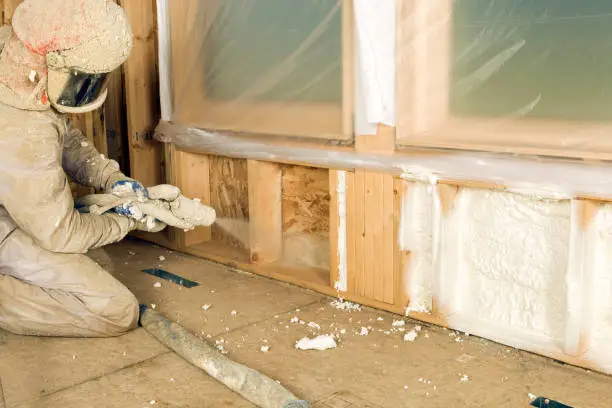
Spray foam can be added to existing attics, crawlspaces, and rim joists without removing drywall. For finished walls, technicians may use injection methods or small access holes to fill cavities. A professional assessment will determine the best way to improve the efficiency of an older home.
Overview of Practical Building Upgrades
A modern approach to insulation focuses on total air sealing and high thermal resistance to maximize energy savings. By selecting the right materials and following proper preparation steps, property owners can significantly improve their building's performance. These upgrades provide a permanent solution that increases comfort and protects the structure from the elements for decades.
Expert Support for Your Insulation Project
Achieving a high performance building envelope requires the skill and equipment of an experienced team. Spray Foam Tech provides professional residential and commercial services to help property owners optimize their energy use. For helpful advice or to schedule a professional evaluation, individuals can contact the team at (737) 777-9590 or via email at [email protected] to discuss their specific needs. Their experts support performance driven projects with high quality materials and precise application techniques.
Reviewer: Maria Lopez reviewed the article and brought 12 years of insulation industry experience to improve the guidance. Practical tips were added, and the content was made clearer and more useful for contractors working in the field every day.


























Sign in to leave a comment.