
The Mineral wool insulation can provide effective thermal breaks in many building assemblies. Its dense fiber structure slows heat flow and limits thermal bridging when installed correctly. This makes it a solid option for walls, roofs, and floors where steady indoor temperatures matter.
Contractors often choose mineral wool insulation when projects demand consistent performance across hot and cold seasons. This article explains how mineral wool performs as a thermal break, where it works best, and what to consider before selecting it. The guidance reflects real jobsite conditions and current building practices.
How Mineral Wool Works as a Thermal Break
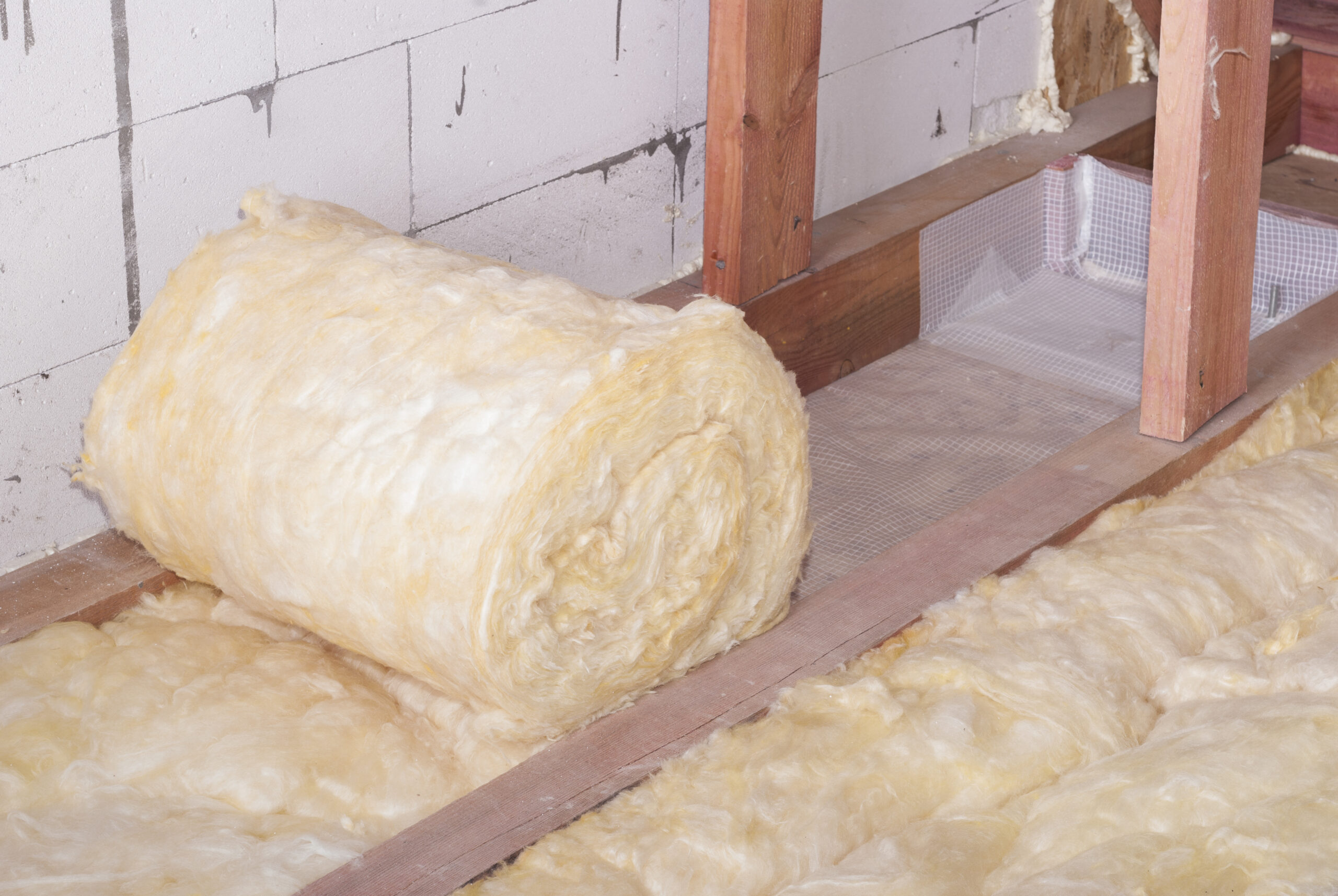
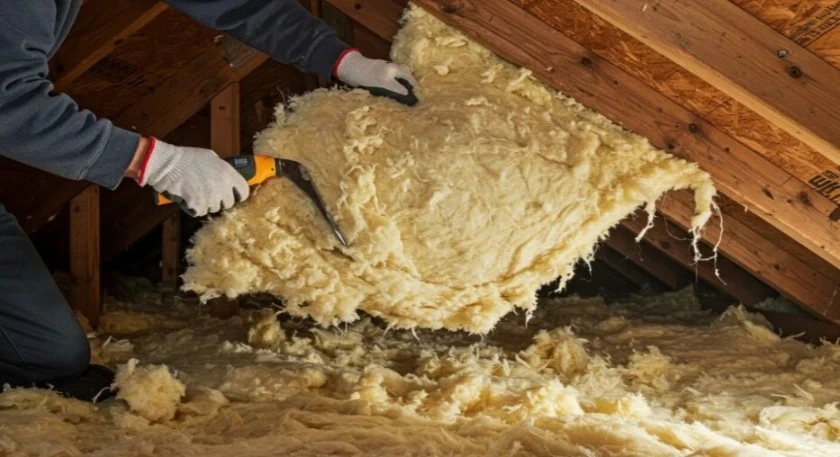
Mineral wool reduces heat transfer by trapping air within tightly packed fibers. These fibers resist compression, which helps the insulation hold its shape over time. That stability supports long term thermal separation between interior and exterior surfaces.
Builders rely on this material because it performs well under temperature swings. In regions with mixed climates, mineral wool helps reduce heat loss in winter and heat gain in summer.

Thermal Break Performance Compared to Other Materials
Thermal breaks depend on both material choice and installation quality. Mineral wool insulation stands out for its steady R-value and moisture tolerance. It does not slump or shrink easily, which protects the thermal barrier.
The table below compares common insulation options used for thermal breaks.
| Insulation Type | Typical R-Value per Inch | Compression Resistance | Moisture Tolerance |
|---|---|---|---|
| Mineral Wool | R-3.7 to R-4.2 | High | High |
| Fiberglass Batts | R-2.9 to R-3.8 | Low | Moderate |
| Rigid Foam Board | R-4.0 to R-6.5 | High | Low to Moderate |
Market data shows mineral wool use has grown by over 8 percent annually in commercial projects. Many builders cite thermal consistency as the main reason.
Where Mineral Wool Delivers the Most Value
Mineral wool performs best in assemblies where thermal bridging is a known issue. Steel framing, exterior wall sheathing, and continuous insulation layers benefit the most.
Exterior Wall Systems
Exterior walls often lose heat through studs and fasteners. Mineral wool boards installed outside the sheathing help reduce that loss. They also allow walls to dry, which supports long term performance.
Cold and Mixed Climate Use
In northern and mixed regions, mineral wool supports stable indoor temperatures. Builders in these areas report lower heating loads after installation.
Roof and Ceiling Applications
Roofs face strong temperature shifts. Mineral wool batts or boards help limit heat transfer across roof decks. This matters in both hot southern regions and colder northern zones.
Moisture Exposure Areas
Mineral wool handles humidity well. This makes it useful in coastal areas and high rainfall zones where moisture control matters.
Installation Factors That Affect Thermal Break Quality
Even strong materials fail if installed poorly. Mineral wool requires tight fitting and full coverage to work as intended.
Contractors should focus on these points:
- Cut panels precisely to avoid gaps that allow heat flow
- Secure boards evenly so compression stays consistent
- Seal edges where mineral wool meets framing or sheathing
Field surveys show projects with careful installation reduce thermal bridging complaints by nearly 30 percent.
Compatibility With Other Insulation Types
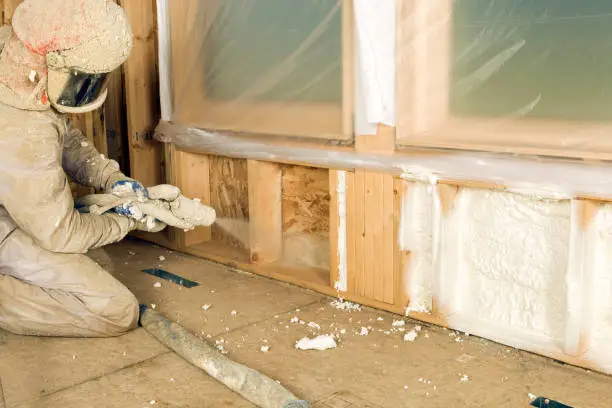
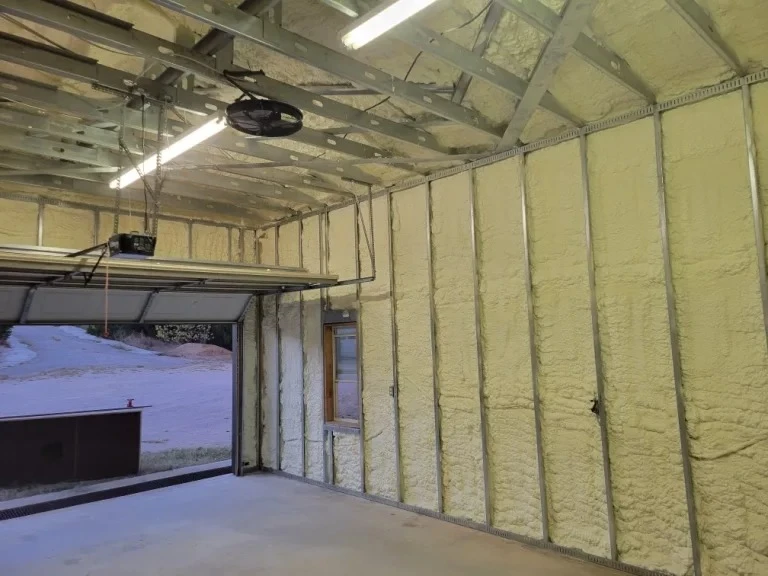
Mineral wool often pairs with spray foam or rigid boards. This layered approach supports air sealing and thermal control together.
Coordinating With Air Barriers
Thermal breaks work best when paired with a continuous air barrier. Mineral wool supports this by staying stable against membranes and wraps.
Bonus Tips for Contractors
- Store mineral wool off the ground to keep edges clean
- Use long fasteners designed for exterior insulation layers
Things to Consider Before Making a Decision
Choosing mineral wool depends on project goals and constraints. Cost, wall thickness, and local codes all matter.
Budget and Material Costs
Mineral wool often costs more than fiberglass. At the same time, its durability can reduce long term replacement needs.
Wall Assembly Thickness
Mineral wool boards add thickness to walls. This may affect window detailing and cladding choices.
Local Code and Fire Ratings
Many regions value mineral wool for its fire resistance. Some commercial codes favor it for this reason alone.
Bonus Tips on Planning
- Review local energy codes before final material selection
- Plan fastening schedules early to avoid delays
Questions People Ask About Mineral Wool Thermal Breaks
Does mineral wool stop thermal bridging completely?
No insulation stops it fully. Mineral wool reduces heat flow when installed as a continuous layer.
Is mineral wool better than rigid foam for thermal breaks?
It depends on the assembly. Mineral wool handles moisture better, while some foams offer higher R-value per inch.
Can mineral wool be used in warm climates?
Yes. It limits heat gain and supports steady indoor temperatures in hot regions.
Does mineral wool settle over time?
Mineral wool resists settling due to its dense structure. This helps maintain thermal performance.
Is mineral wool safe around moisture?
Yes. It drains and dries well, which helps protect wall assemblies.
Key Takeaways for Builders and Designers
Mineral wool provides reliable thermal breaks when used correctly. Its stability, moisture tolerance, and steady R-value make it a strong option for many projects. Builders should weigh cost, wall design, and climate before choosing it. Careful planning leads to better results.
Next Steps for Insulation Planning
Contractors seeking guidance on insulation selection can consult Spray Foam Tech as a technical resource. Their team helps builders compare insulation options based on climate, code needs, and building design. For project specific questions, they can be reached or by phone at (737) 777-9590. This approach helps teams choose materials that fit both short term goals and long term performance.
Reviewer: Maria Lopez reviewed the article and brought 12 years of insulation industry experience to improve the guidance. Practical tips were added, and the content was made clearer and more useful for contractors working in the field every day.




























Sign in to leave a comment.