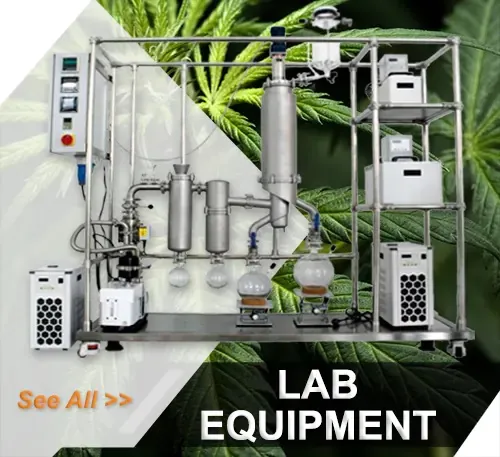

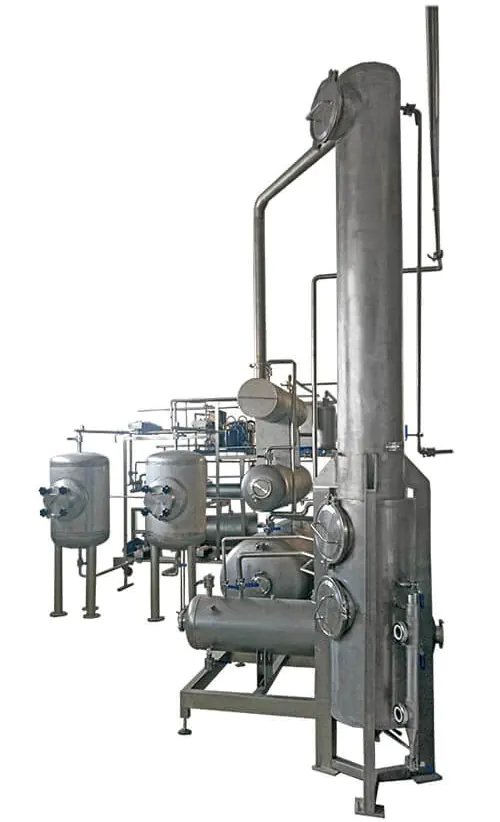
Oil extraction is a process in which selected compounds are separated from botanical materials and collected into a concentrated form. The final characteristics of an extracted oil depend on many factors, including the plant variety, growing conditions, moisture content, preparation method, extraction technology, temperature, pressure, processing time, and storage environment. This is why Strain specific oil extraction is an important concept for understanding how oils made from different plant varieties can vary in composition, aroma, color, stability, and overall characteristics. Instead of treating every strain as identical, this approach considers the natural differences in the starting material and evaluates how those differences interact with the extraction process.
For people unfamiliar with extraction science, the word “strain” generally refers to a particular genetic variety or cultivar within a plant species. Two varieties belonging to the same species can have noticeably different chemical profiles. They may contain different proportions of naturally occurring compounds, including terpenes, cannabinoids, flavonoids, pigments, fatty acids, and other plant constituents. These differences can influence extraction behavior and the composition of the resulting oil. Understanding this relationship is useful for processors, laboratories, researchers, and anyone interested in how botanical oils are produced.
What Is Strain Specific Oil Extraction?
Strain specific oil extraction describes an extraction approach that takes the characteristics of a particular strain into consideration during processing. The goal is not necessarily to create a completely different extraction method for every variety, but rather to understand how raw-material differences affect the performance of an established process. This can involve analyzing the botanical material before extraction, selecting appropriate processing conditions, monitoring the extracted material, and testing the final oil.
The concept is based on a simple principle: starting materials are not always chemically identical. Even when two batches look similar, their concentrations of individual compounds can differ. These differences may affect extraction yield, selectivity, viscosity, aroma, color, and stability. A process that performs well with one variety may therefore produce somewhat different results when applied to another.
Why Strain Characteristics Matter
Plant genetics play an important role in determining the compounds naturally produced by a particular variety. However, genetics are only one part of the picture. Cultivation conditions, soil composition, irrigation, temperature, harvesting time, drying practices, and storage can also affect the chemical profile of plant material.
For this reason, processors often need to consider both genetic identity and batch-to-batch variation. A strain-specific approach provides a framework for evaluating these differences instead of assuming that a product will behave consistently simply because it carries the same strain name.
How the Extraction Process Works
Although extraction technologies vary considerably, most botanical oil production involves several general stages. The first stage is raw-material assessment. Before processing begins, the botanical material can be examined for identity, moisture, maturity, cleanliness, and chemical composition. Laboratory testing may be used to establish a baseline profile and determine whether the material meets the required specifications.
The next stage is preparation. Depending on the extraction technology, plant material may be dried, milled, sieved, or otherwise prepared to create suitable physical conditions for extraction. Particle size can influence how effectively the extraction medium interacts with the plant matrix. Moisture can also affect extraction performance, so consistent preparation is important.
Extraction then takes place using a selected technology. Common approaches include solvent extraction, supercritical carbon dioxide extraction, hydrocarbon extraction, steam distillation, and mechanical separation. Each method has different characteristics. Some methods are designed to recover volatile compounds, while others are intended to obtain a broader range of constituents.
Following extraction, the crude material may undergo additional processing. Filtration, evaporation, winterization, distillation, chromatography, or other separation techniques can be used depending on the intended application. These processes can change the relative concentration of compounds in the final oil, meaning the finished product may not have exactly the same profile as the original extract.
Factors That Influence Extraction Results
Temperature is one of the most important factors in many extraction processes. Higher temperatures can improve the movement of certain compounds, but excessive heat may affect compounds that are sensitive to thermal conditions. For this reason, temperature should be selected according to the characteristics of the material and the requirements of the extraction method.
Pressure can also be important, particularly in extraction technologies that operate under controlled pressure. Changes in pressure can affect the physical behavior of the extraction medium and influence the compounds that are recovered. Extraction time is another variable that needs to be evaluated. Longer processing does not automatically mean better results because excessive processing may increase the recovery of unwanted components or expose sensitive compounds to processing conditions for longer periods.
Moisture content is another important consideration. Water can interact with extraction solvents and influence how compounds move through plant material. Differences in moisture between batches may therefore contribute to differences in extraction performance.
Particle size also deserves attention. Smaller particles generally provide greater surface area for interaction with an extraction medium, but excessive milling may create unwanted heat, make filtration more difficult, or produce an inconsistent material structure. A controlled preparation method is therefore preferable to simply grinding material as finely as possible.
Why Chemical Testing Is Important
Analytical testing provides objective information about the composition of both raw materials and extracted oils. Without testing, it can be difficult to determine whether an apparent difference between two oils results from the strain, the extraction process, storage conditions, or another variable.
Testing can be performed at different stages of production. Pre-extraction analysis establishes information about the starting material. Testing after extraction can show which compounds were recovered and in what concentrations. Additional testing after refinement can demonstrate how purification changed the composition.
Consistent analytical methods are particularly important when comparing different batches. If the testing procedure changes between samples, apparent differences may reflect differences in measurement rather than actual changes in the oil.
Benefits of a Strain-Specific Approach
One major benefit of strain specific oil extraction is improved understanding of batch variation. When processors know the starting composition of their raw material, they can better interpret differences in the finished oil. Instead of treating variation as an unexplained problem, they can investigate whether it originated from genetics, cultivation, storage, or processing.
Another benefit is improved process development. Data from different strains can help identify which processing conditions produce predictable results. Over time, this information can support the development of controlled operating ranges rather than relying entirely on trial and error.
A strain-specific approach can also support quality control. When expected chemical profiles are established, unusual results can be identified more easily. This does not mean every batch must have exactly the same composition. Natural botanical materials can vary, but documented specifications can help determine whether the variation remains within an acceptable range.
Practical Tips for Better Extraction Control
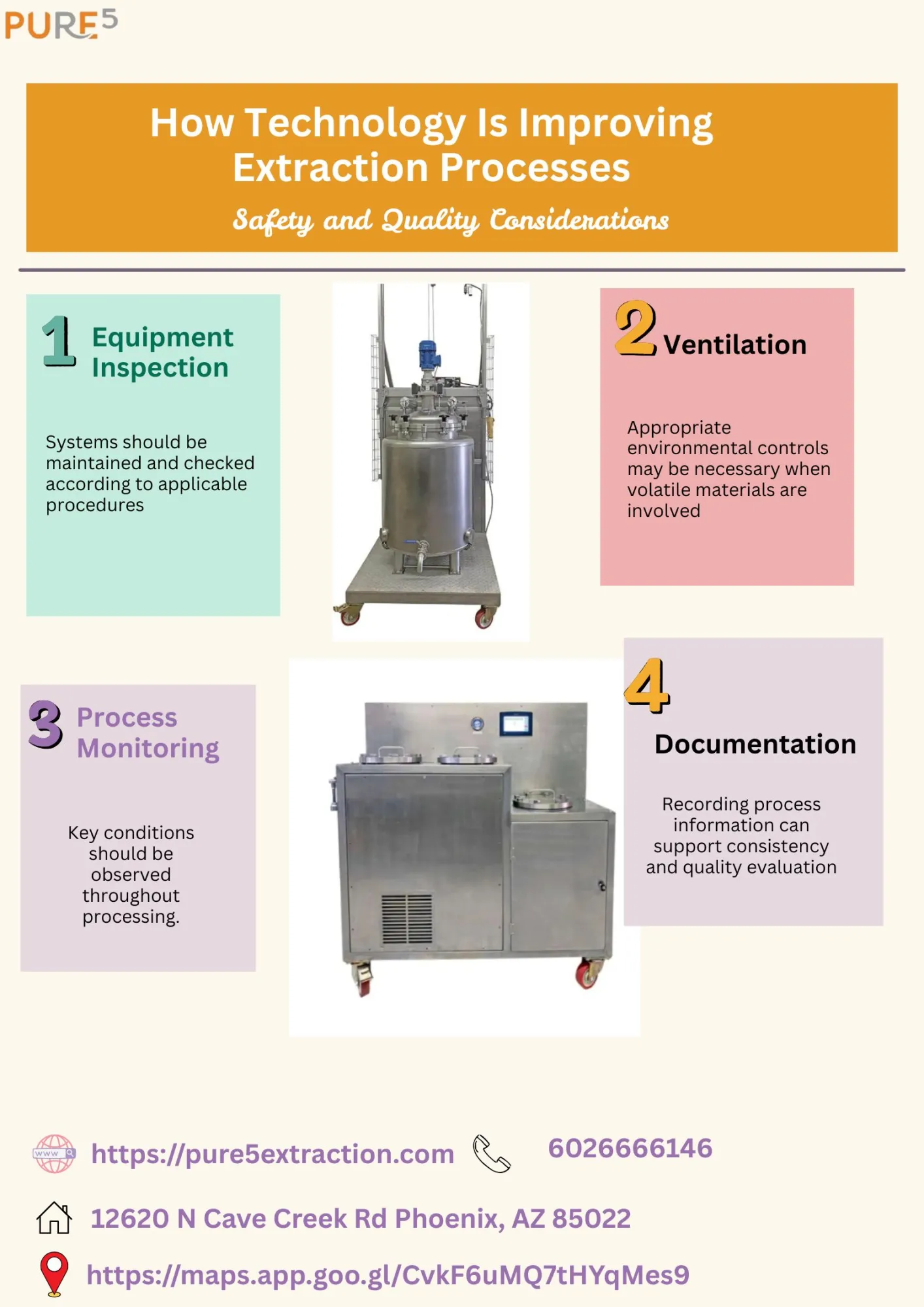
Processors can take several practical steps to improve consistency. The first is to document raw-material information before processing. Records can include strain or cultivar identity, harvest date, moisture level, storage conditions, and available analytical results.
The second step is to maintain consistent preparation procedures. If one batch is finely milled and another is left relatively coarse, differences in extraction results may be difficult to interpret. Standardizing preparation helps reduce unnecessary variables.
Another useful practice is to change one major processing variable at a time during development work. For example, if temperature, extraction time, and pressure are all changed simultaneously, it becomes difficult to determine which change produced the observed result. Controlled testing provides more useful information.
Storage should also be considered. Extracted oils can be affected by oxygen, light, heat, and moisture. Appropriate containers and controlled storage conditions can help preserve the chemical characteristics of an oil after processing.
Finally, processors should evaluate more than extraction yield. A high yield may indicate that a large amount of material was recovered, but it does not necessarily indicate that the resulting oil has the desired chemical profile. Yield should be considered alongside composition, purity, stability, and intended use.
Comparing Common Extraction Considerations
| Factor | Why It Matters | Recommended Approach |
|---|---|---|
| Strain identity | Influences natural chemical composition | Verify identity and document each batch |
| Moisture | Can affect extraction efficiency | Maintain controlled moisture conditions |
| Particle size | Changes contact with extraction medium | Use consistent preparation |
| Temperature | Can influence compound stability | Establish suitable processing ranges |
| Time | Affects recovery and selectivity | Avoid assuming longer is always better |
| Storage | May influence long-term stability | Limit heat, light, oxygen, and moisture |
Common Mistakes to Avoid
A common mistake is assuming that the same strain will always produce identical raw material. Environmental and cultivation conditions can create differences between harvests. Another mistake is focusing only on extraction yield while ignoring the chemical composition of the resulting oil.
Poor documentation is also a frequent source of problems. Without reliable records, it becomes difficult to identify why one batch performed differently from another. Changing several processing conditions at the same time can create a similar problem because the effect of individual variables cannot be isolated.
Processors should also avoid relying solely on visual characteristics. Color, thickness, or aroma can provide useful observations, but these characteristics do not replace laboratory analysis when precise composition is important.
People Also Ask
What does Strain-focused oil extraction mean?
It refers to an extraction approach that considers the unique chemical and physical characteristics of a particular plant strain or cultivar when developing and controlling the extraction process.
Why can two strains produce different oils?
Different strains may naturally contain different ratios and concentrations of compounds. Growing, harvesting, drying, and storage conditions can further influence the final composition.
Does extraction temperature affect oil composition?
Yes. Temperature can influence the recovery and stability of different compounds. Excessive heat may affect temperature-sensitive constituents.
How can extraction consistency be improved?
Consistent raw-material testing, controlled preparation, documented processing conditions, standardized analytical methods, and suitable storage practices can improve consistency.
Is higher extraction yield always better?
No. Yield measures the amount recovered, but it does not necessarily indicate purity, composition, stability, or suitability for a particular application.
Frequently Asked Questions
Can one extraction process work for every strain?
A general process may be suitable for multiple strains, but processing conditions may need to be evaluated and adjusted based on differences in raw-material composition and physical characteristics.
What should be tested before extraction?
Testing may include material identity, moisture, chemical composition, contaminants, and other specifications relevant to the botanical material and intended application.
How does storage affect extracted oil?
Heat, oxygen, light, and moisture can contribute to chemical changes over time. Controlled storage conditions can help maintain the desired characteristics of the oil.
Why should batches be compared analytically?
Analytical comparisons provide measurable information about changes in composition. This helps distinguish actual process variation from differences caused by visual appearance or subjective evaluation.
Can refinement change the original strain profile?
Yes. Refinement processes can remove, concentrate, or separate specific compounds. Consequently, the final oil may have a substantially different profile from the initial crude extract.
The principles behind strain Specific oil extraction focus on understanding the relationship between raw-material characteristics and processing conditions. Different strains can have different chemical profiles, and those differences can influence how material responds to extraction, refinement, and storage.
A consistent approach begins with proper raw-material identification and testing, followed by controlled preparation, documented extraction parameters, analytical evaluation, and appropriate storage. Rather than assuming that one universal process will deliver identical results for every botanical variety, processors can use data to establish suitable operating conditions for different materials.
This approach also emphasizes the importance of looking at the complete process rather than extraction alone. Quality depends on what enters the system, how it is processed, what happens during refinement, and how the resulting oil is stored. Understanding these connections allows readers and industry professionals to make more informed decisions about botanical oil processing while maintaining a clear focus on consistency, measurable quality, and process control.
Contact Us
- Pure5 extraction
- 12620 N Cave Creek Rd Phoenix, AZ 85022
- 6026666146


























Sign in to leave a comment.