

For importers, customs compliance starts with the information used to prepare the transaction.
An incorrect classification, inconsistent documentation, unsupported customs value, unclear origin, or outdated regulatory procedure can create unnecessary complications. A structured review before submission can help importers manage these areas more consistently.
Understand What Needs to Be Checked
Import compliance involves several connected decisions rather than one single task.
The importer needs to understand the goods, classify them appropriately, prepare supporting documentation, determine the applicable customs value, establish country of origin, and consider relevant import controls and regulatory requirements.
The exact requirements depend on the transaction and applicable rules, but the review process can be organized around a few core areas.
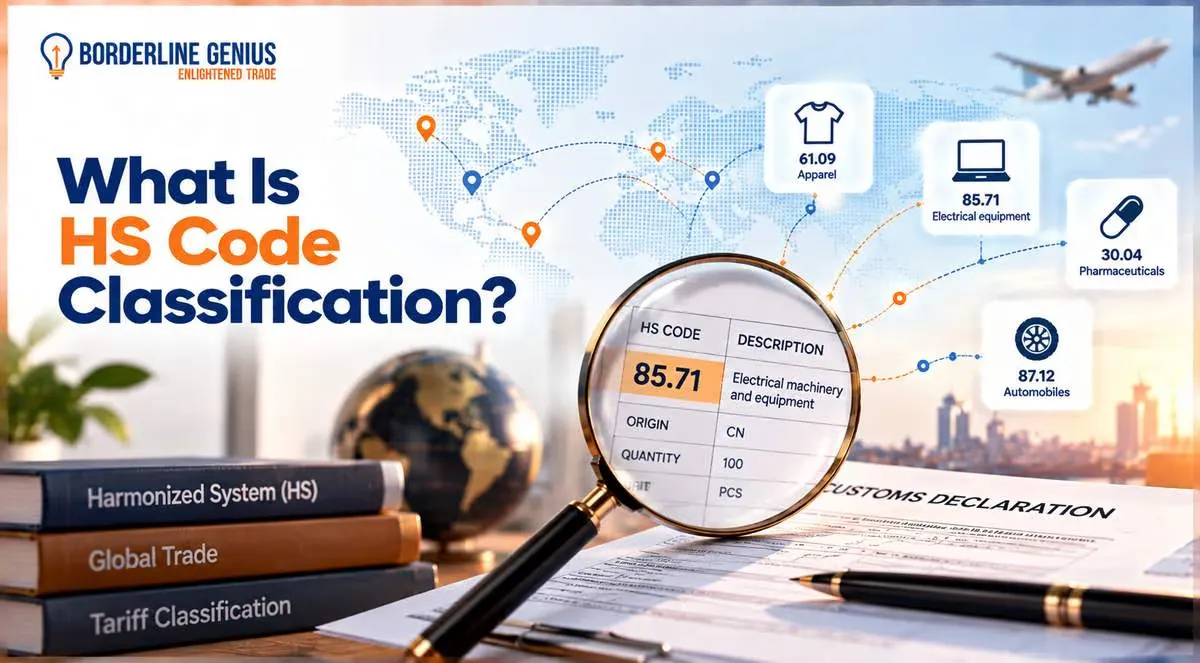
Start With HS Classification
The first question should be whether the HS classification is supported by the actual product information.
General descriptions are not always sufficient to establish the appropriate classification. Relevant specifications should be considered when determining how goods are identified under the applicable tariff schedule.
Classification records should also be revisited when product characteristics or tariff requirements change.
Importers looking for a more detailed breakdown can review these trade compliance best practices for importers.
Review Documents Before the Shipment Moves
Import documentation should be checked before customs information is submitted.
The information appearing across relevant commercial and customs documents should be complete and consistent. A pre-shipment review can help identify discrepancies before they affect the clearance process.
Supporting records should also be retained according to applicable requirements so the importer can substantiate the information when needed.
Give Customs Valuation Proper Attention
The customs value declared for imported goods can affect the duties and taxes assessed on the transaction.
Importers should determine customs value according to the valuation rules applicable in the destination country.
The important point is to have a clear basis for the declared amount and supporting information available for the valuation decision.
Verify Country of Origin
Country of origin should be determined using the applicable origin rules for the goods and transaction.
This area may require additional attention when products involve manufacturing or processing in multiple countries.
If preferential treatment is being claimed, the relevant trade agreement requirements should also be considered.
Evidence supporting the origin decision should be retained.
Monitor Regulatory Requirements
Import requirements can change over time.
A procedure that was appropriate for a previous transaction may need to be updated when customs requirements, import controls, licensing provisions, or product-specific measures change.
For that reason, regulatory monitoring should be part of the normal compliance process.
When a relevant change is identified, importers should determine whether internal procedures need to be revised.
Build a Simple Compliance Workflow
A practical workflow can include the following checkpoints:
- Review the product information.
- Confirm the HS classification.
- Check commercial and customs documentation.
- Determine the applicable customs value.
- Verify country of origin.
- Review import controls and licensing requirements where applicable.
- Check for relevant regulatory changes.
- Retain supporting records.
This does not replace the specific requirements applicable to an import transaction. Instead, it provides a consistent framework for reviewing the information before a declaration is submitted.
Why Consistency Is Important
Importers handling recurring transactions can benefit from using the same basic compliance checkpoints across shipments.
A consistent process makes it easier to identify missing information and discrepancies before they become problems. It can also provide a clearer record of the decisions made during the import process.
Compliance therefore becomes part of the regular workflow rather than a last-minute check.
Conclusion
Import compliance depends on accurate information and consistent review.
HS classification, documentation, customs valuation, country of origin, and regulatory monitoring are all important areas for importers to consider before customs declarations are submitted.
About Borderline Genius Inc.
Borderline Genius Inc. brings trade expertise, regulatory content, proprietary AI, and enterprise technology together to make that possible.


















Sign in to leave a comment.