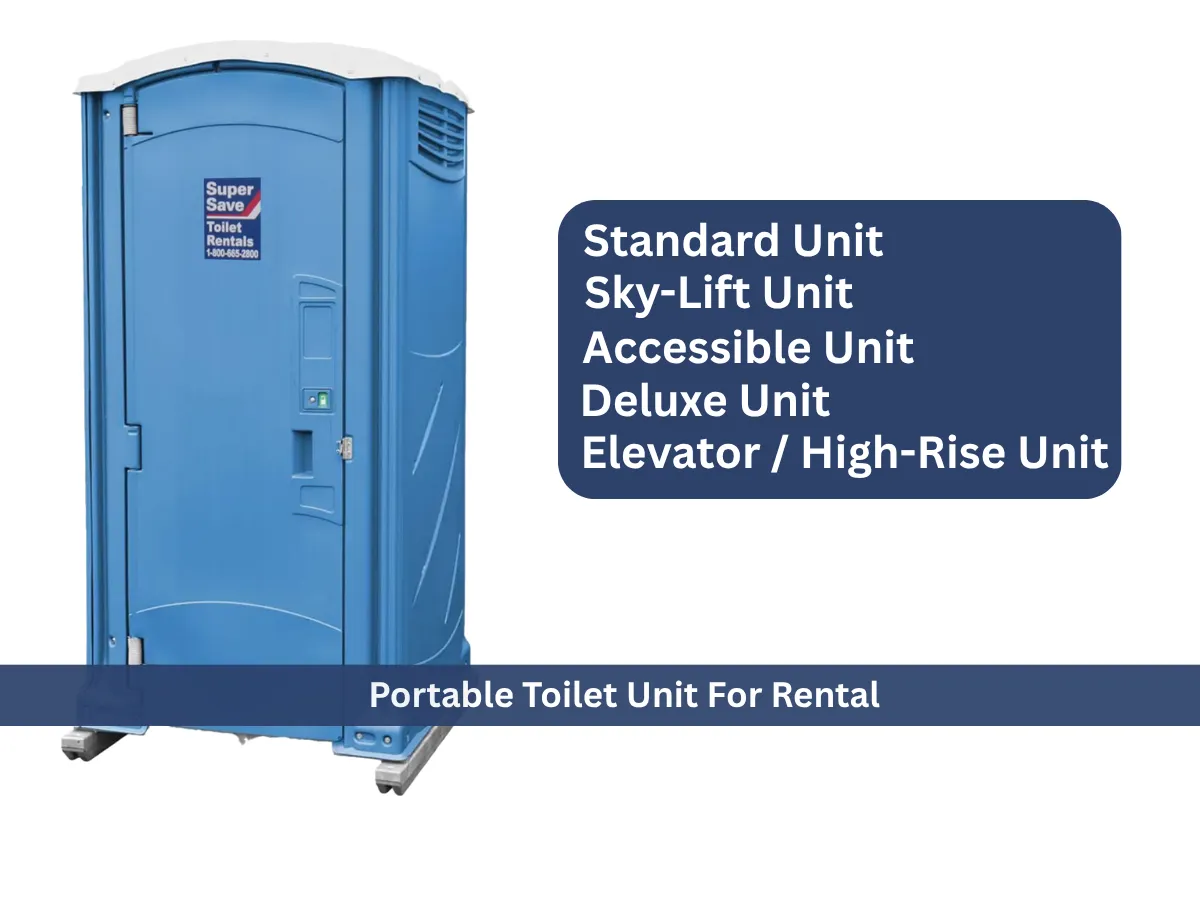

When you are planning out a major outdoor event or setting up a long-term job site in the Calgary area, your main focus is usually on schedules, equipment, and materials. But there is one foundational service that directly impacts crew productivity and guest comfort every single day: portable sanitation.
Providing clean, reliable temporary restrooms is about more than just convenience. It is a fundamental health and safety rule.
In Alberta, workplace regulations require accessible washroom facilities for anyone on a job site. For event planners, having enough clean stalls is the fastest way to keep attendees happy. This guide covers how to choose your style, plan your layout, and beat the unique challenges of Calgary's winter weather.
Choosing the Right Style of Unit for Your Project
Temporary washrooms are no longer just basic, cramped plastic boxes. Depending on your specific timeline, budget, and user base, you have several distinct choices to choose from:
- Standard Portable Toilets: Compact, highly durable, and very cost-effective. These are the absolute standard choice for general construction sites, industrial yards, and short-term utility builds.
- Flushable and Sink Units: Equipped with a clean foot-pump flush and a hands-free washing basin. These work perfectly for local food festivals, high-traffic public sites, and longer construction timelines.
- Heated Restroom Trailers: Fully insulated spaces featuring internal electrical heating, running water, and vanity mirrors. These are highly recommended for winter construction builds, corporate outdoor gatherings, and late-season outdoor weddings.
- Accessible Stalls: Built with extra-wide doors and completely ground-level entry points for easy wheelchair access. These are essential for inclusive commercial sites and public community festivals.
When you coordinate a portable toilet rental in Calgary, picking the right unit type keeps your site running seamlessly.
Prepping Your Site for Winter Operations
Anyone who has spent a winter in Alberta knows that extreme cold changes how outdoor logistics work. When temperatures drop deep into the negatives, the liquid inside standard outdoor toilets will freeze solid if left unmanaged.
To prevent frozen tanks, it is crucial to partner with a provider that uses specialized winterized anti-freeze solutions in their waste tanks during the cold months. This keeps fluids moving and allows service pump trucks to clean the units out reliably even in January. For high-profile builds or long-term commercial projects running through the freezing months, investing in a premium, heated restroom trailer keeps crew morale high and prevents downtime.
Frequently Asked Questions
How much does it cost to rent a porta potty in Calgary?
Rates depend heavily on the specific model you choose, how long you need it on-site, and how often it needs to be cleaned out. A standard construction unit on a monthly rate is very affordable, while luxury heated trailers or units requiring daily cleanings cost more.
How often should a portable restroom be serviced?
For a standard job site with 10 workers, units should be professionally pumped out, washed, and thoroughly sanitized at least once a week. High-traffic public events or larger work crews will require daily or bi-weekly servicing to maintain clean conditions.
Where is the best place to position a portable toilet on my lot?
Always pick a completely flat, solid surface that a large service truck can safely back up to. Avoid low-lying areas that turn into mud when it rains, and position the units away from main heavy equipment driving paths to prevent accidents.





















Sign in to leave a comment.