

Chicago is home to a large and diverse community of families raising children with autism spectrum disorder. As awareness of ABA therapy has grown, so too has the number of providers offering services throughout the city and surrounding suburbs. But not all programs are created equal, and understanding what to look for — and what questions to ask — can help families find a provider that genuinely meets their child's needs.
Applied Behavior Analysis is a therapy approach grounded in decades of research. It focuses on understanding how behavior works, how it is affected by the environment, and how learning takes place. When applied skillfully, ABA therapy can help children develop communication, social, and adaptive skills while reducing behaviors that interfere with learning and daily life. In a city as large and dynamic as Chicago, families have options — and knowing what quality looks like helps them make an informed choice.
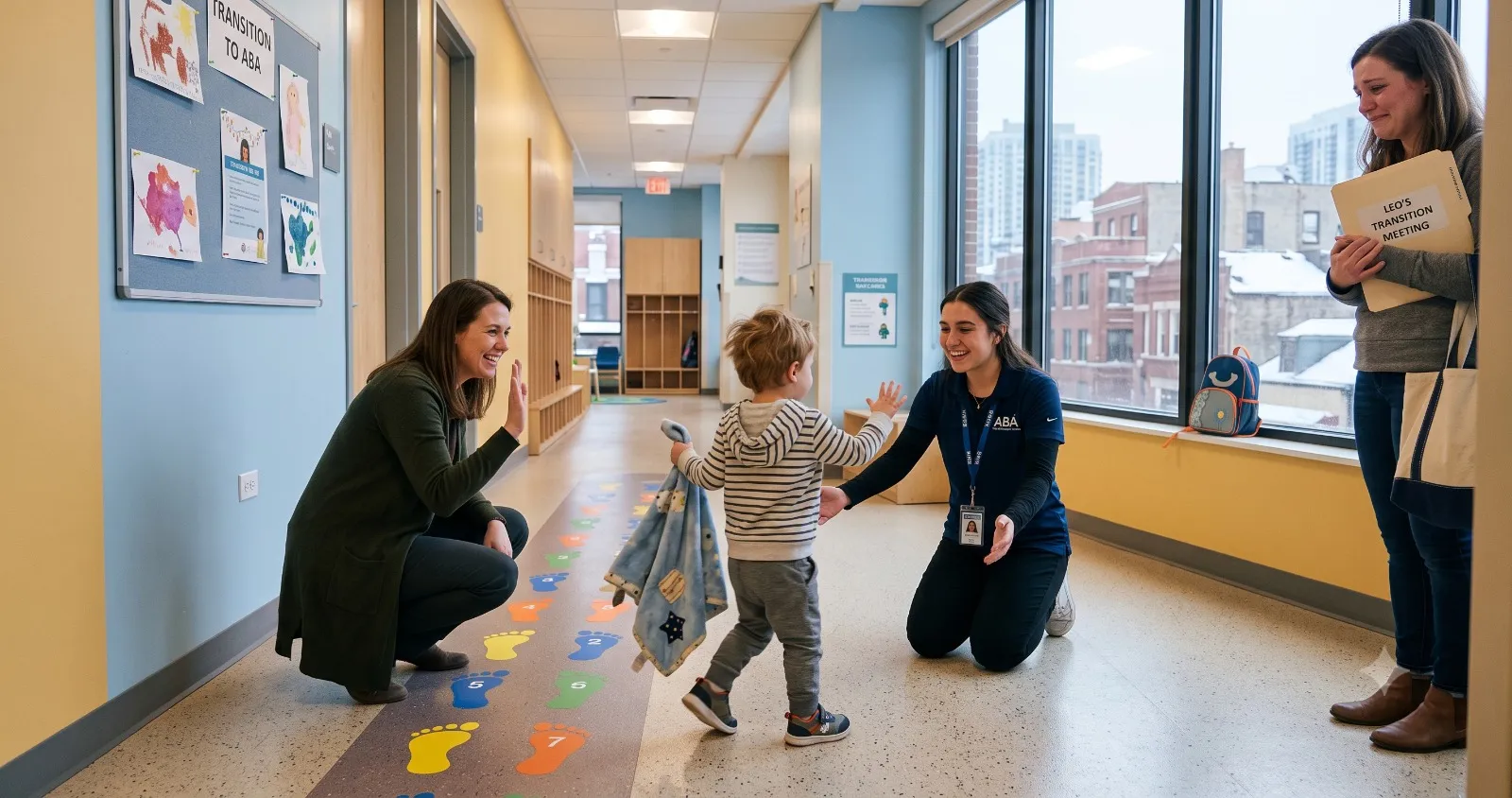
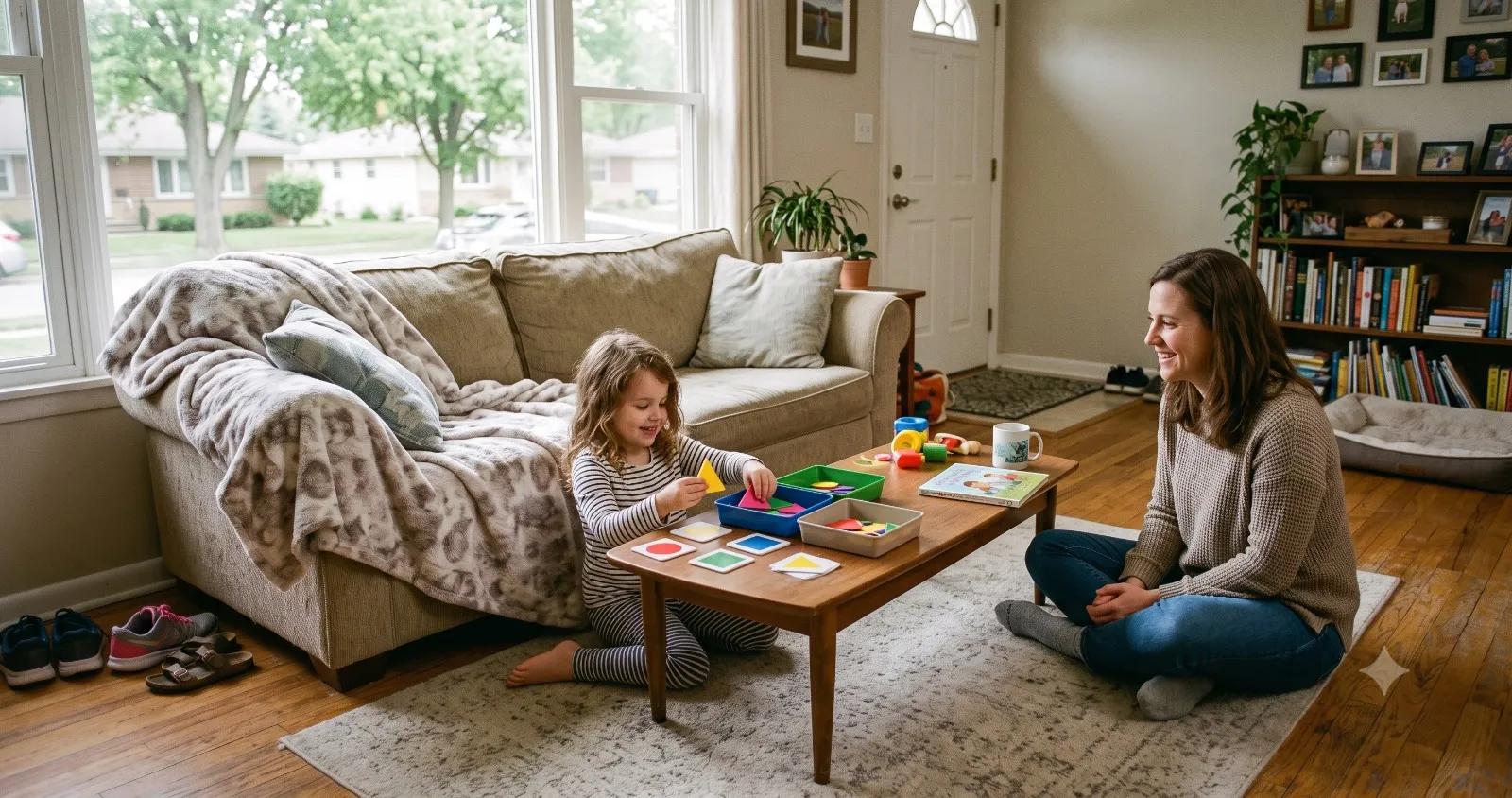
One of the most important things families in Chicago should understand is the difference between center-based and in-home ABA services. Both are widely available throughout the metro area, and many children benefit from one or both formats depending on their age, goals, and learning style. Center-based therapy typically offers structured environments designed for focused skill-building and peer interaction, while in-home services bring the therapist directly into the family's space, addressing real-life routines as they naturally occur.
What Chicago Families Should Look for in an ABA Provider
When evaluating providers, credentials are the first place to start. Board Certified Behavior Analysts — BCBAs — are the clinical supervisors who design and oversee ABA programs. Every child's plan should be created and monitored by a BCBA with experience in pediatric ABA. Behavior technicians who carry out day-to-day sessions should receive ongoing training and supervision to maintain quality and consistency.
Parent involvement is another critical factor. Strong programs treat families as partners, not just observers. Look for providers who schedule regular parent training meetings, offer clear explanations of treatment goals, and make data accessible so families can see how their child is progressing over time. A provider that communicates well and welcomes questions is one you can build a lasting, productive relationship with.
Families in Chicago should also ask about scheduling, location options, and insurance support. Insurance navigation can be one of the most stressful parts of accessing ABA services, and a provider with dedicated support staff can ease that burden significantly. For families exploring aba therapy chicago options, it is worth asking specifically how the provider handles authorizations, renewals, and any coverage gaps that may arise.
Cultural responsiveness is often overlooked but matters greatly in a city as diverse as Chicago. Providers who understand and respect the cultural backgrounds of the families they serve are better positioned to build trust and design programs that truly fit each child's life. Ask about the provider's approach to working with multilingual families or households with specific cultural practices.
Starting the Process in Chicago
Once families have identified a provider they feel confident about, the intake process typically begins with a comprehensive assessment. A BCBA will evaluate the child's current skills, review existing records, and gather detailed information from parents. This assessment forms the foundation of the treatment plan, which should be specific, measurable, and tied to goals that matter to the family.
Chicago families do not need to navigate this process alone. Many providers offer guidance at every step — from the first phone call through ongoing therapy — making sure that each family has what they need to get started and stay engaged as their child grows and develops.



























Sign in to leave a comment.