
Raw metal parts rarely emerge from the manufacturing line ready for immediate use. Casting, forging, and machining processes leave behind burrs, tool marks, and rough textures. To transform these raw parts into functional, safe, and visually appealing components, manufacturers rely on a crucial final step: surface finishing.
At the core of this transformation are specialized materials that grind, polish, and perfect the metal. Choosing the right abrasives for metal finishing dictates the final quality, durability, and performance of the part. Whether you are building a commercial airplane or assembling a high-performance sports car, the surface finish matters immensely.
This guide explores the essential role these materials play in modern manufacturing. You will learn how industry staples like alumina oxide and silicon carbide operate to achieve incredibly smooth surfaces. We will also examine how the automotive and aerospace sectors utilize these tools, and why sourcing from a quality-certified supplier guarantees superior results.
Understanding Metal Surface Finishing
Surface finishing is a broad term that covers several different operations. The goal is to alter the exterior of a metal component to achieve a specific characteristic. This might involve removing sharp edges, smoothing out machining lines, or polishing the surface to a mirror-like shine.
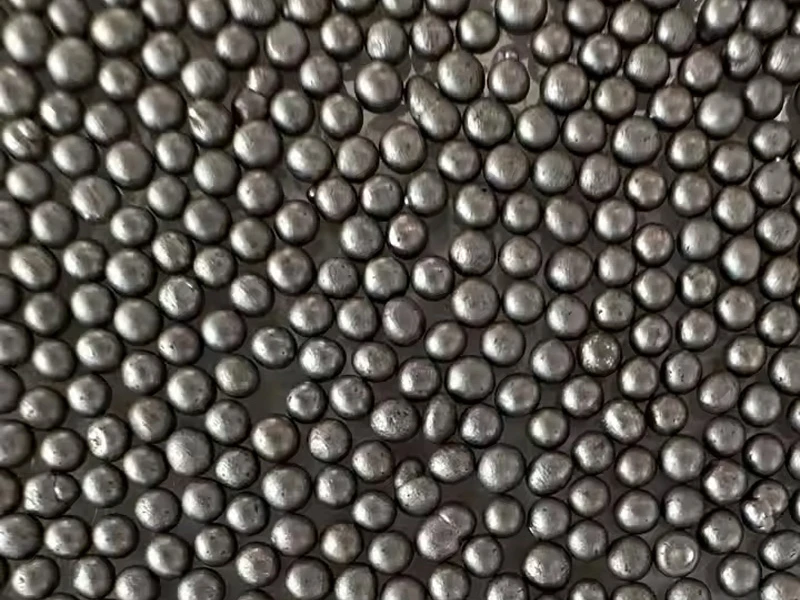
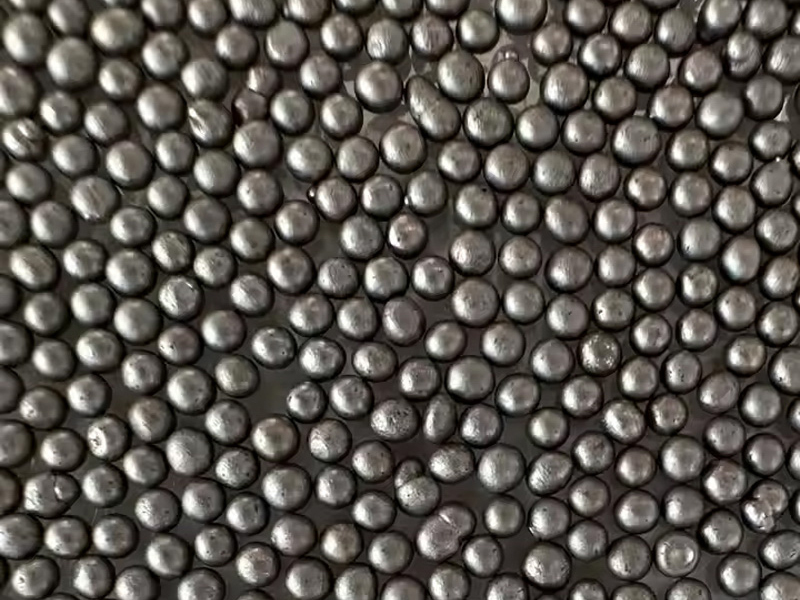
To achieve these results, manufacturers use abrasive particles. These particles act like microscopic cutting tools. When rubbed against the metal surface under pressure, they shear away tiny amounts of the base material. By systematically reducing the size of the abrasive particles, operators can refine the scratches until the surface appears completely smooth to the naked eye.
The selection of abrasives for metal finishing depends entirely on the metal you are working with and the final finish you need. Using an abrasive that is too hard can gouge softer metals like aluminum. Conversely, using a soft abrasive on hardened steel will yield no results and simply wear out the tool.
Alumina Oxide: The Versatile Workhorse
Walk into almost any metal fabrication shop, and you will find alumina oxide. This manufactured abrasive is the undisputed workhorse of the metal finishing industry. It is produced by smelting bauxite ore in an electric arc furnace, resulting in a tough, blocky, and durable grain.
Alumina oxide excels because of its unique physical structure. The grains are incredibly strong and resist shattering under heavy pressure. This makes them ideal for high-tensile materials like carbon steel, alloy steel, and tough bronze.
Furthermore, alumina oxide features a property known as friability. As the abrasive works against the metal, the grains fracture to expose fresh, sharp cutting edges. This self-sharpening action ensures a consistent cut rate and prevents the abrasive from becoming dull and generating excessive heat.
Manufacturers use white alumina oxide when finishing sensitive metals like stainless steel. Because white alumina oxide contains virtually no iron impurities, it prevents rust-causing contaminants from embedding into the stainless steel surface. This ensures the metal retains its anti-corrosive properties after the polishing process is complete.
Silicon Carbide: The Precision Cutter
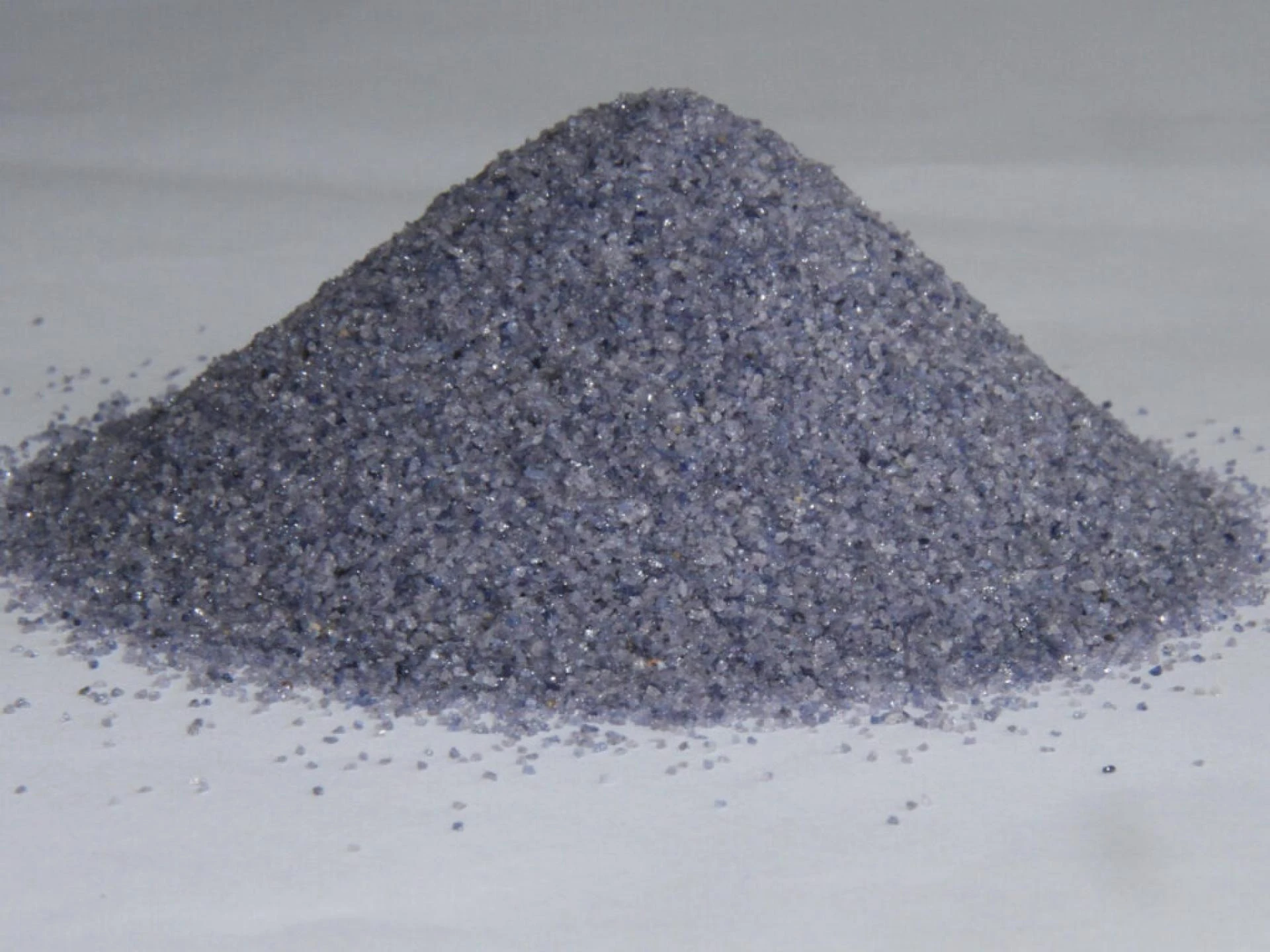
When operators need to finish harder materials, they turn to silicon carbide. This synthetic compound is significantly harder than alumina oxide. Its sharp, angular grains can easily cut through glass, ceramics, and incredibly hard metals like titanium and cast iron.
Silicon carbide is highly friable. It fractures quickly under pressure, which means it constantly presents new cutting edges to the workpiece. This rapid fracturing action produces a very fast, aggressive cut. However, it also means the abrasive breaks down faster than alumina oxide when used on high-tensile steel.
Because of its sharp cutting action, silicon carbide is highly favored for precision finishing. It requires less pressure to remove material, which reduces friction and heat buildup. This "cool cut" is essential when polishing thin or delicate metal parts that might warp under high temperatures.
You will often find fine grades of silicon carbide used in lapping compounds and polishing slurries. It helps achieve a highly reflective, scratch-free finish on precision components where dimensional accuracy is an absolute requirement.
Applications in the Automotive Industry
The automotive industry relies heavily on exact surface finishes to ensure vehicles operate safely and efficiently. From the engine block to the exterior body panels, abrasives for metal finishing touch almost every part of a car.
Inside the engine, components like camshafts, crankshafts, and cylinder walls must have a very specific surface profile. If the metal is too rough, the moving parts will generate excessive friction, leading to premature wear and engine failure. Manufacturers use fine abrasives to hone these cylinders, creating a microscopic cross-hatch pattern that retains oil and ensures smooth piston movement.
Transmission gears also require meticulous finishing. Any burrs or rough edges on the gear teeth will cause noise, vibration, and inefficient power transfer. Abrasive grinding and polishing ensure the gears mesh perfectly.
On the vehicle's exterior, aesthetics take priority. Before a car receives its final coat of paint, the metal body panels undergo extensive sanding and finishing. Abrasives smooth out weld seams and remove any surface imperfections. This preparation guarantees that the final paint job is flawlessly smooth and reflective.
Meeting Strict Aerospace Requirements
If the automotive industry requires precision, the aerospace sector demands absolute perfection. In aviation, a microscopic surface defect can lead to catastrophic failure. Aerospace manufacturers use specialized abrasives to meet incredibly tight tolerances and safety standards.
Jet engine turbine blades operate under extreme heat and immense centrifugal force. Even the smallest scratch or tooling mark on a blade can act as a stress concentrator. Over time, this stress can cause the metal to crack and fail. Manufacturers use fine grades of alumina oxide and silicon carbide to polish these blades to a perfectly smooth finish, eliminating any potential failure points.
The structural components of an aircraft, such as landing gear and wing spars, also undergo rigorous finishing processes. These parts are often made from high-strength titanium or advanced aluminum alloys. Abrasives are used to remove any fatigue-inducing surface anomalies.
Furthermore, aerospace parts often receive protective coatings to prevent corrosion at high altitudes. The metal must be perfectly prepped to ensure these coatings adhere correctly. Precision abrasives create the exact anchor profile needed for these critical thermal and anti-corrosive sprays.
The Importance of Proven Quality Standards
Achieving the exacting finishes required by the automotive and aerospace industries is impossible with inconsistent materials. If a batch of polishing powder contains oversized rogue grains, those grains will carve deep scratches into a turbine blade or a camshaft. This ruins the part and forces the manufacturer to start over.
To guarantee success, industrial buyers must source their abrasives from a supplier that prioritizes strict quality control. You need an abrasive that features uniform particle sizing, exceptional purity, and consistent hardness from batch to batch.
This level of reliability only comes from manufacturers that adhere to recognized international quality management systems. These systems provide a framework for rigorous testing, documented processes, and continuous improvement.
Trust Becens Co., Ltd. for Your Finishing Needs
Finding a dependable partner for your metal finishing operations is critical to your success. At Becens Co., Ltd., we have spent over ten years mastering the production of high-performance industrial abrasives. We understand that your reputation relies on the flawless finish of your final products.
Our proven quality is a direct result of our stringent manufacturing controls. We do not leave the quality of your abrasives to chance. From the initial selection of raw materials to the final grading and packaging, we monitor every step of the production cycle.
We operate a highly strict production and inspection control system according to ISO-9001: 2008 standards. This international certification guarantees that every batch of abrasives for metal finishing we produce meets exact specifications. Whether you need the tough cutting power of alumina oxide or the razor-sharp precision of silicon carbide, we deliver materials that perform predictably.
Furthermore, we supply our products under various global standards, including FEPA, JIS, GB, and ANSI. This ensures our abrasives integrate seamlessly into your specific finishing processes, regardless of your geographic location or industry requirements. Facing customers with reliable quality, favorable prices, fast delivery, and considerate service is the foundation of our business.

Perfect Your Metal Surfaces Today
Metal surface finishing is both a science and an art. It requires skill, precision, and the highest quality materials available. By utilizing advanced abrasives like alumina oxide and silicon carbide, you can transform rough metal castings into the polished, high-performance components demanded by the automotive and aerospace industries.
Do not let inconsistent abrasives ruin your critical workpieces or slow down your production lines. Partner with a certified supplier who understands the demanding nature of metal finishing and delivers uncompromising quality every single time.
Are you ready to elevate the quality of your metal finishing operations? Explore our comprehensive product catalog to find the exact grade of precision abrasives tailored perfectly for your industrial manufacturing needs.

























Sign in to leave a comment.