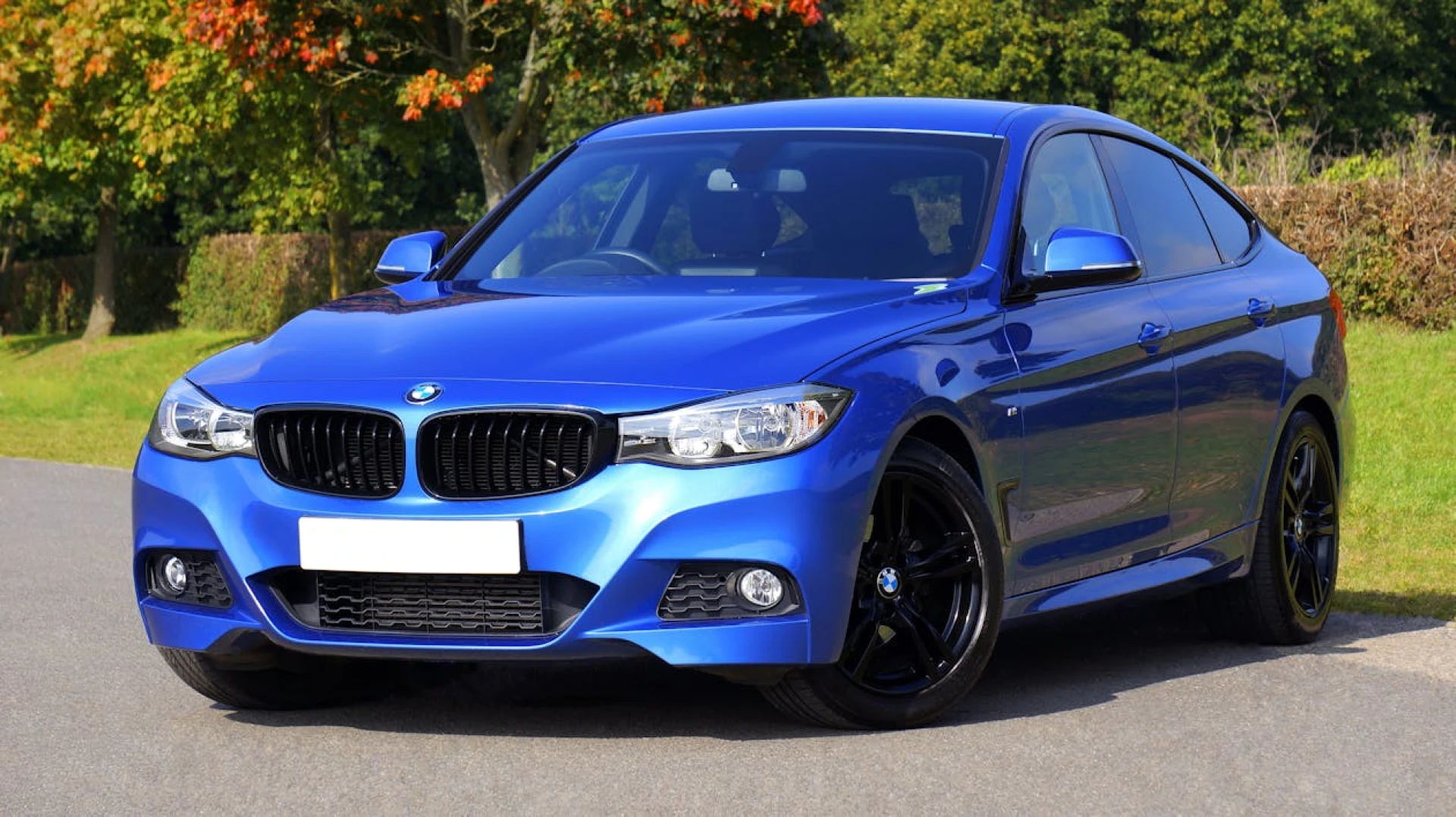

Advanced Driver Assistance Systems (ADAS) have revolutionized vehicle safety, helping drivers avoid collisions, maintain lane control, and improve overall road awareness. However, many vehicle owners overlook a crucial step after windshield replacement — ADAS recalibration. This process ensures that safety features like lane departure warnings, adaptive cruise control, and emergency braking function properly. Skipping ADAS recalibration can compromise these systems, putting drivers, passengers, and pedestrians at risk.
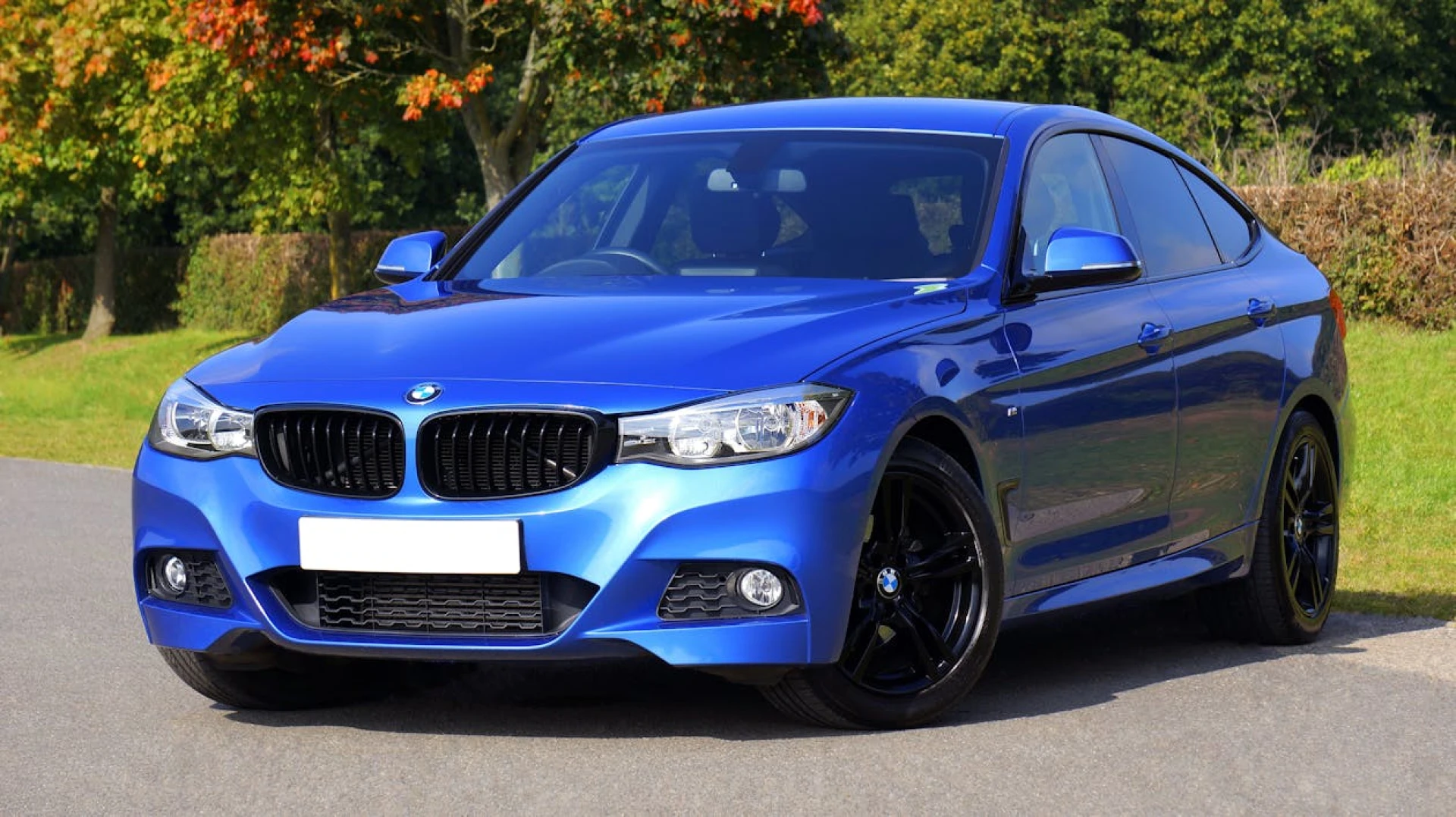
Auto Glass Aces ensures precise ADAS recalibration at our auto glass shop
What is ADAS and Why Does It Matter?
ADAS is a collection of safety features designed to assist drivers in making safer decisions on the road. These systems rely on a combination of sensors, cameras, radar, and LiDAR to monitor the surrounding environment and provide real-time alerts or automated responses to prevent accidents. Common ADAS features include:
● Lane Departure Warning (LDW): Alerts drivers when they unintentionally drift out of their lane.
● Automatic Emergency Braking (AEB): Engages brakes to avoid a collision.
● Adaptive Cruise Control (ACC): Adjusts vehicle speed based on traffic conditions.
● Forward Collision Warning (FCW): Notifies the driver of an imminent front-end collision.
● Blind Spot Monitoring (BSM): Detects and warns about vehicles in blind spots.
These features rely on precise calibration to function correctly. Any disruption, such as replacing a windshield, can throw off their accuracy.
How Windshield Replacement Affects ADAS
Many ADAS sensors and cameras are mounted on or near the windshield. When a windshield is replaced, even a slight shift in position can misalign these critical components. A misaligned camera or sensor can lead to incorrect readings, causing safety features to malfunction or become completely ineffective.
For example, an improperly calibrated lane departure warning system may either fail to alert the driver when drifting or issue false warnings when the car is within its lane. Similarly, an adaptive cruise control system with misaligned sensors may misjudge the distance between vehicles, leading to sudden braking or acceleration at inappropriate times.
The Dangers of Skipping ADAS Recalibration
Failing to recalibrate the ADAS system after a windshield replacement can lead to serious safety risks, including:
1. False Warnings or Lack of Warnings
Misaligned cameras may detect obstacles that are not present, leading to unnecessary braking or steering corrections. On the other hand, they may fail to recognize actual dangers, leaving the driver without a crucial safety alert.
2. Inaccurate Lane Keeping Assistance
If lane departure warnings or lane-keeping assist systems are not properly calibrated, they may fail to guide the vehicle within its lane, increasing the risk of side-swipe collisions.
3. Delayed or Ineffective Automatic Braking
A miscalibrated automatic emergency braking system might activate too early, causing sudden stops in safe driving conditions, or fail to engage when needed, increasing the risk of rear-end collisions.
4. Increased Liability in Accidents
If a vehicle’s ADAS features fail due to improper calibration, the driver could be held responsible for an accident. Insurance companies may also deny claims if they determine that ADAS recalibration was neglected.
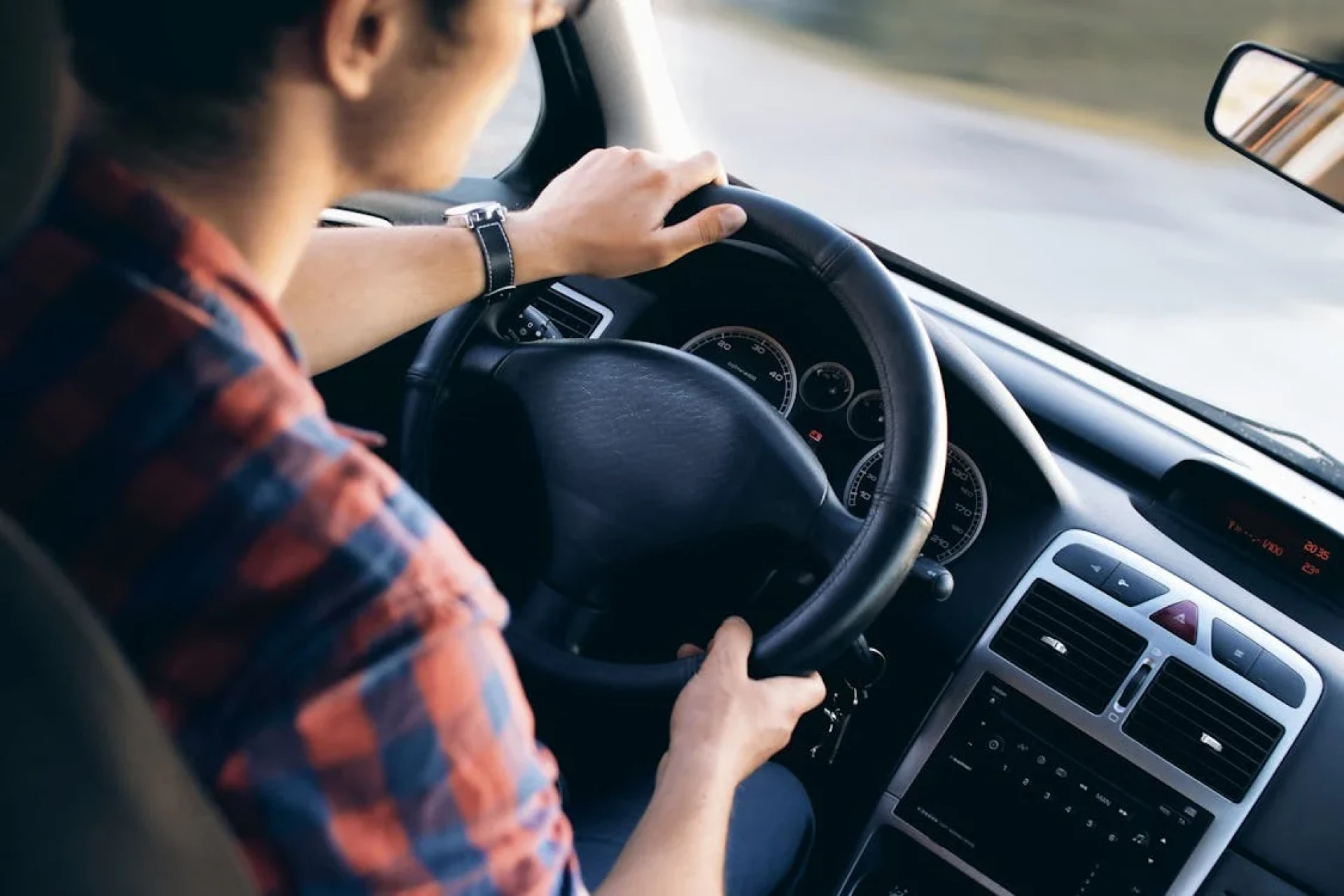
Trust Auto Glass Aces, your go-to auto glass shop for ADAS recalibration
The ADAS Recalibration Process
ADAS recalibration ensures that cameras and sensors are properly aligned according to the manufacturer’s specifications. There are two main types of recalibration:
Static Recalibration
This method involves placing the vehicle in a controlled environment where technicians use manufacturer-specific targets and tools to adjust and align cameras and sensors. Static recalibration requires precise positioning and measurement to ensure accurate system functionality.
Dynamic Recalibration
Dynamic recalibration requires driving the vehicle under specific conditions while connected to diagnostic tools. This process allows the system to readjust in real time based on road conditions and sensor input.
Some vehicles require a combination of static and dynamic recalibration to achieve full accuracy.
When Should You Get ADAS Recalibration?
ADAS recalibration is necessary whenever there is an event that could disrupt sensor or camera alignment. This includes:
● Windshield replacement
● Front-end collisions
● Suspension or wheel alignment adjustments
● Camera or sensor replacements
● Modifications to ride height (such as installing lift kits)
Choosing a Qualified ADAS Recalibration Provider
Not all auto glass shops have the expertise or equipment to perform ADAS recalibration. When getting your windshield replaced, ensure the service provider:
● Uses manufacturer-approved recalibration methods
● Has trained technicians certified in ADAS recalibration
● Conducts post-recalibration testing to confirm accuracy

Get ADAS recalibration at Auto Glass Aces, Las Vegas’ top auto glass shop
For top-notch ADAS recalibration after windshield replacement, opt for Auto Glass Aces — the top auto glass shop in Las Vegas. Whether you need windshield repair, power window repair, or sunroof auto glass repair, their skilled team ensures the highest quality. With a commitment to safety and customer satisfaction, Auto Glass Aces is your go-to choice for reliable auto glass solutions.
Contact them for expert care and a free estimate.






























Sign in to leave a comment.