
You know, operating an industrial plant or a farm in Canada now is all about all the chemicals, and hazardous chemical storage is not a want. It is an essential in keeping your team safe, protecting your surrounding grounds and avoiding those hefty fines from regulators. As threats of flammable material, rough corrosives, and pesticides are becoming more frequent, both factories and fields should have strategies that are safety-oriented without making the work any slower. Done well, such storage heads off trouble before it begins and actually makes your daily operations run smoothly, particularly where chemicals are a part of the daily grind.
So, in this blog post, we are going to discuss the main strategies for efficient hazardous chemicals storage, and best practices that may allow reducing risks and increasing efficiency in your operations in general. Let's get down to business and make sure that safety and productivity go hand in hand.
Understanding Key Regulatory Frameworks in Canada
Let's talk about the rules and regulations that shape all this in Canada-they are all about the protection of workers and the environment, with simple guidelines. One example is the Workplace Hazardous Materials Information System (WHMIS), which aligns with the Globally Harmonized System (GHS), and the latest amendments of the Hazardous Products Regulations borrow from GHS Revision 7 while slipping in pieces of Revision 8. By the end of 2025, all these changes were made during the transition period ending December 14, 2025, and now they have fully come into play. It is tweaking how we categorize risks, the way safety data sheets (SDSs) are drawn up, and how labels are designed, like new groups for chemicals kept under pressure.
On the road, the Transportation of Dangerous Goods (TDG) Regulations simplify things for farms transporting pesticides and fertilizers, allowing weights of 1,500 kg or 3,000 kg in certain cases. The Pest Control Products Act ensures pesticides are registered and used safely to minimize hazards. It's also important to follow standards like NFPA Code 30 for handling flammable liquids and incorporate safety practices aligned with OSHA. Folding these into your storage setup? That's how you sidestep penalties and keep folks out of harm's way.
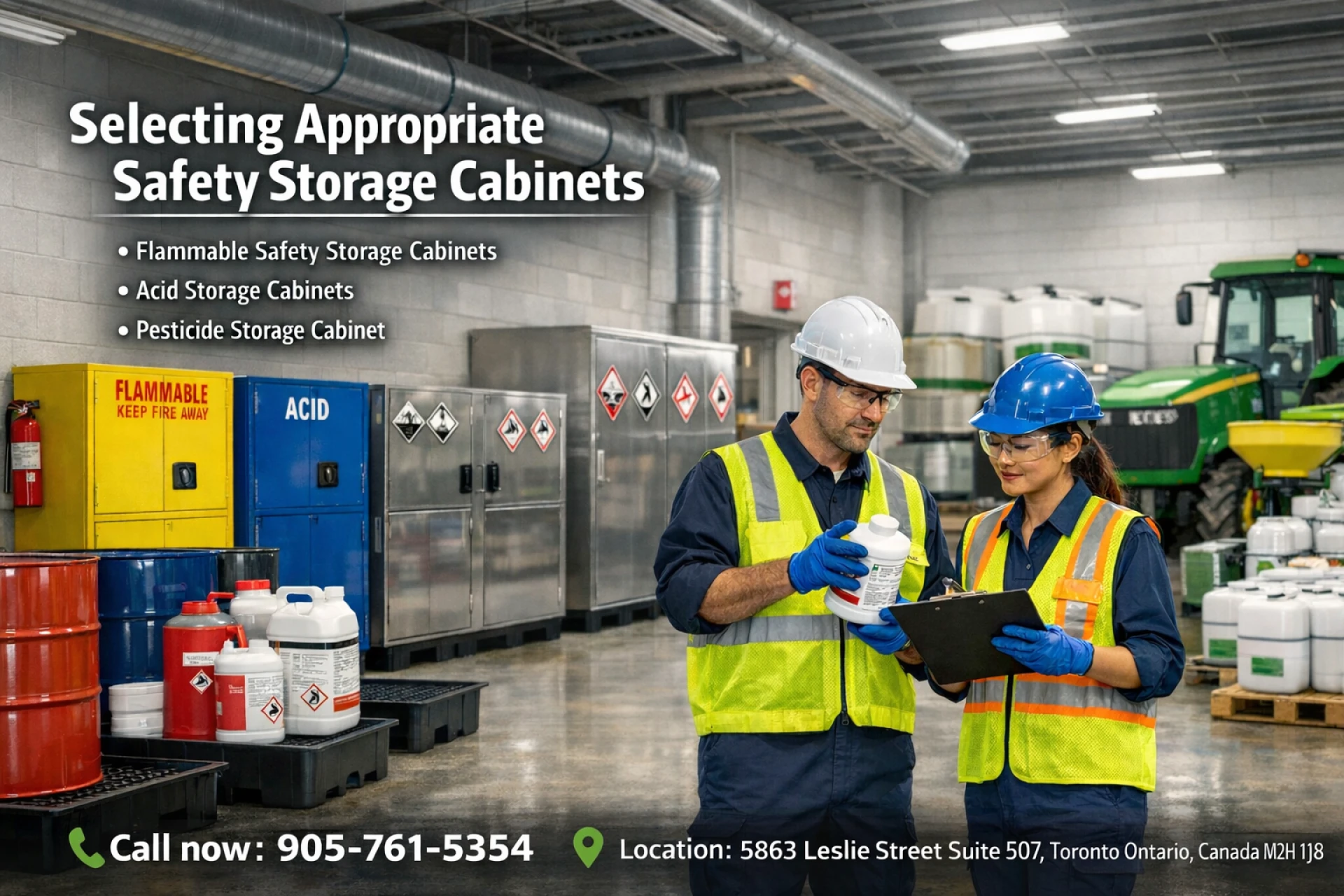
Selecting Appropriate Safety Storage Cabinets
Figuring out which Safety Storage Cabinets to go with really boils down to the risks your chemicals carry. These aren't one-size-fits-all; they're built to separate things that could clash, trap any spills, and hold up against fire when it matters most.
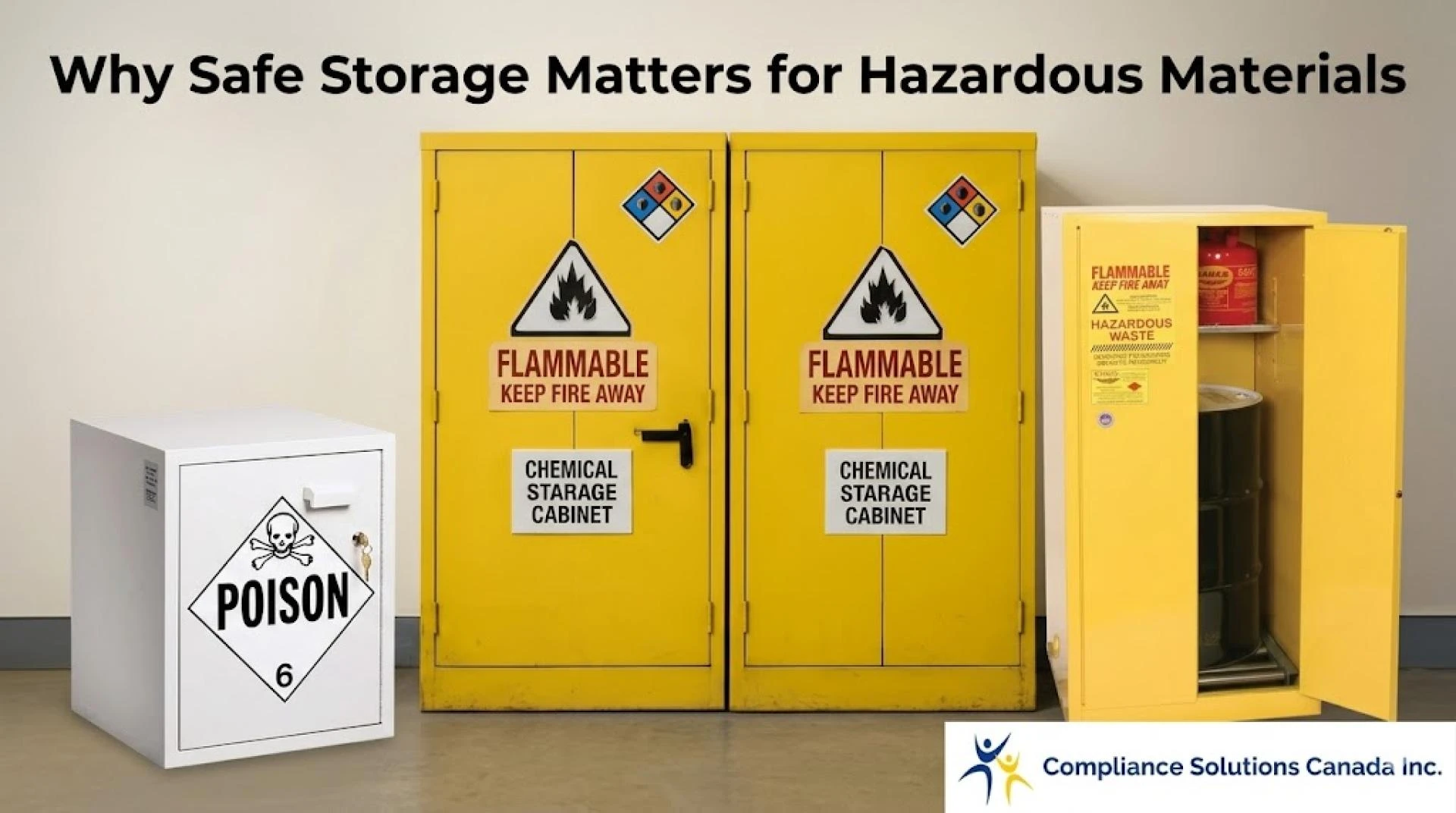
1. Flammable Safety Storage Cabinets are a go-to for those volatile liquids, available from compact countertop styles right up to ones holding 120 gallons. Picture double-wall steel builds, doors that shut on their own, spots to ground them, and vents for fumes-they tick the boxes for NFPA Code 30 and usually sport FM or ULC approvals too. The beauty? You can't tuck them near your workspace without inviting extra danger.
2. Acid Storage Cabinets take on the corrosives, like acids or bases, without breaking a sweat. They're crafted from resilient materials-polyethylene or steel with special coatings to shrug off damage-and pack in spill sumps, movable shelves, and labels that make it crystal clear what's inside, heading off any nasty mix-ups.
3. Pesticide Storage Cabinet options are tuned for the rough-and-tumble of ag work. With solid locks to keep them secure, they isolate pesticides from the rest, adding ventilation and spill catches to match Health Canada's expectations and stop anything from seeping out into the earth or waterways.
4. For everything else, Hazardous Material Cabinets step up, covering a range of threats with versions for outdoors or heavy drums that broaden your options.
Best Practices for Implementation in Industrial Settings
In a factory or processing line, slotting Safety Storage Cabinets into place calls for a bit of thoughtful setup:
1. Separate the troublemakers-keep acids from bases, flammables from oxidizers-so surprises stay off the table.
2. Ground them properly and set up venting to deal with vapours before they become an issue.
3. Label everything per WHMIS rules, with those straightforward pictograms, alert words, and action steps.
4. Give them routine once-overs for dings, confirm doors latch securely, and log what's stored where.
Ease up on stock near anything that could spark, and layer in secondary containment just in case.
Tailored Approaches for Agricultural Facilities
Out on the farm, in a greenhouse, or at a nursery, pesticides and fertilizers throw unique curveballs. Pesticide Storage Cabinet choices lock it all away for folks who know what they're doing, pulling from EPA Worker Protection Standard vibes that Canada tweaks to fit. Those sturdy locks fend off unwanted fiddling, and the tough exteriors hold firm against the wear from field chemicals.
Aim for spots with good air flow, locked up tight, and well clear of houses or creeks. Pick cabinets that allow sorting and snag spills quickly, cutting the chance of runoff. And when you're loading up for the fields, lean on TDG's farm-friendly exemptions, but never skimp on securing the load.
Advanced Strategies for Enhanced Safety
If you're aiming to bump up safety in these forward-thinking operations, think about stacking on:
1. Thorough risk reviews to pinpoint threats and spec out your cabinets accordingly.
2. Simple tracking setups for what's in stock and when it might expire.
3. Practical sessions for your crew on WHMIS basics, cabinet handling, and quick-response drills.
4. Fire safeguards are positioned right by the storage zones.
5. Larger outdoor or drum-style units when the scale demands it.
And don't sleep on the updates, like that 2025 cutoff for the revamped Hazardous Products Regulations, to stay sharp.
Bottom line
Rolling out smarter Hazardous Chemical Storage tactics with the right Safety Storage Cabinets-whether Flammable Safety Storage Cabinets, Acid Storage Cabinets, or Pesticide Storage Cabinets- looks out for your people, your equipment, and the surroundings in Canada's plants and paddocks. Tied to the freshest regulations, it cultivates that genuine habit of vigilance and being ready.
Need some straight talk on choosing gear that suits your setup? Take a peek at what's available through solid outfits like Compliance Solutions Canada. Visit their website.






















Sign in to leave a comment.