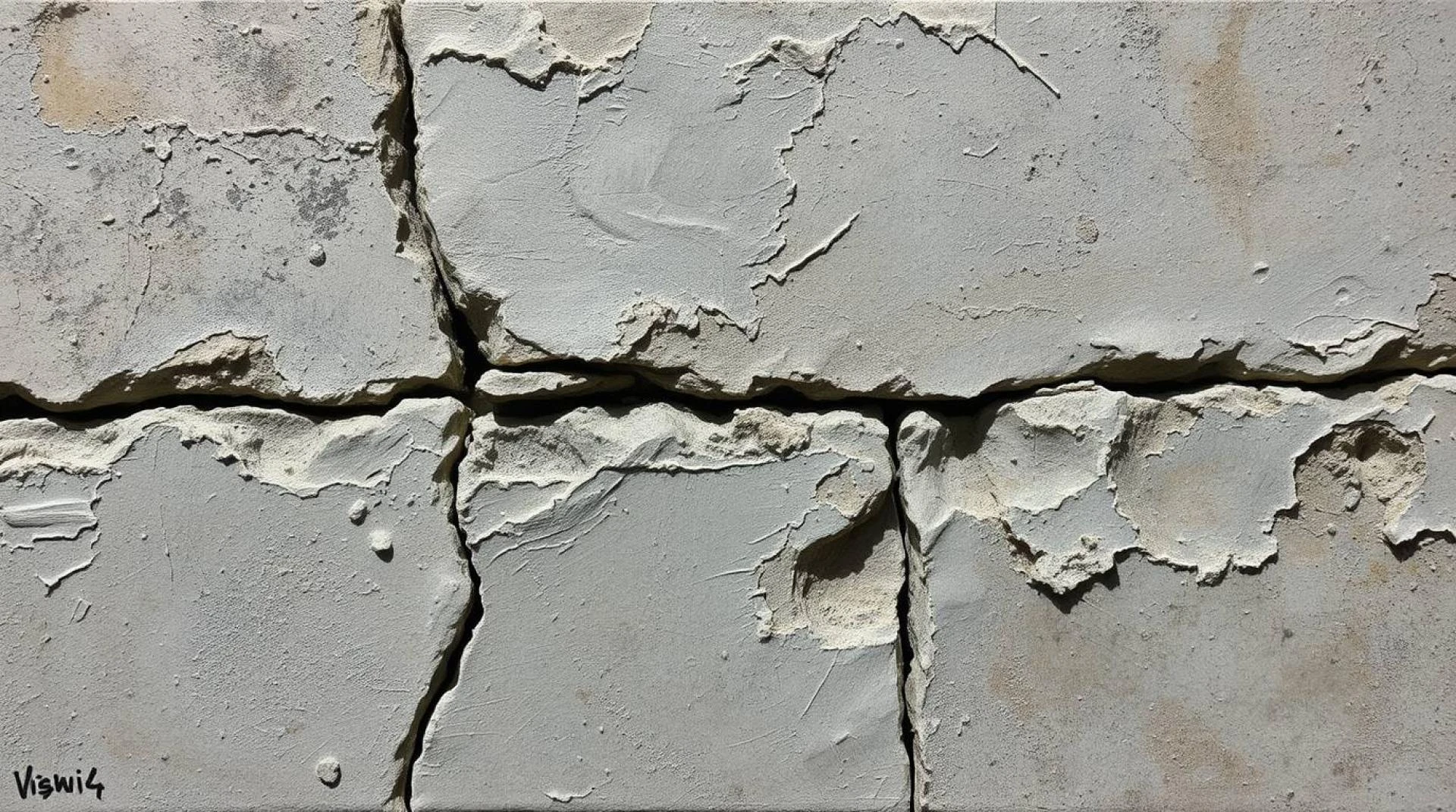

Concrete isn’t invincible. In fact, despite its reputation for strength and durability, it deteriorates. Heat, moisture, salt, structural loads all chip away at it over time. Nowhere is this more evident than in the UAE, where intense temperatures, coastal environments, and rapid urban growth constantly test the limits of concrete structures.
In response, repair methods here have evolved. What worked a decade ago isn’t always sufficient today. Techniques have advanced, materials have improved, and the demands of maintaining critical infrastructure, think bridges, high-rise towers, tunnels, are higher than ever.
Understanding the Challenge
Before diving into techniques, it’s worth noting that not all concrete damage is the same. Surface cracks, deep structural faults, corrosion of embedded steel, chemical attack—each demands a different approach.
In the UAE, chloride-induced corrosion is a particular concern. Salt-laden air near coastal regions penetrates concrete and corrodes steel reinforcement. Add to this the extreme temperature fluctuations, and the result can be premature deterioration if not properly addressed.
Cutting-Edge Assessment Tools
Before any repair begins, precise diagnosis is crucial. Advanced non-destructive testing (NDT) methods now lead the way.
Techniques like Ground Penetrating Radar (GPR), ultrasonic pulse velocity testing, and infrared thermography help map internal voids, track moisture movement, and detect corrosion without damaging the structure. Engineers can now see what’s happening inside the concrete, rather than making educated guesses.
It isn’t a flawless science, no method is perfect, but the combination of tools provides a far more complete picture than traditional visual inspections alone.
Repair Techniques Gaining Ground
Carbon Fiber Reinforced Polymer (CFRP) Wrapping
This method strengthens weakened structural members without adding significant weight. High-strength carbon fiber sheets are bonded to concrete surfaces using specialized epoxy resins. The result? Improved load-bearing capacity and extended lifespan of columns, beams, and slabs.
The process sounds simple, though applying it correctly requires precision and skill. Done poorly, it can actually trap moisture or fail prematurely.
Cathodic Protection Systems
Given the prevalence of corrosion, cathodic protection is increasingly common in critical infrastructure. It involves installing sacrificial anodes or using impressed current systems to redirect corrosion activity away from the steel reinforcement.
While highly effective, it demands ongoing monitoring and maintenance a fact sometimes underestimated during planning.
Ultra-High Performance Concrete (UHPC)
When replacing severely damaged sections, UHPC offers a compelling option. This modern material provides exceptional strength, durability, and resistance to chloride ingress. It’s not cheap. Yet for key repairs in bridges or marine structures, the long-term benefits often justify the cost.
Balancing Tradition and Innovation
Interestingly, not every repair in the UAE calls for cutting-edge methods. Traditional approaches like crack injection with epoxy, surface patching with polymer-modified mortars, or protective coatings still serve well in many cases.
The key lies in selecting the right blend of techniques. Sometimes advanced, sometimes simple each project brings its own variables and constraints.
And the field continues to evolve. New materials, smarter sensors, AI-driven predictive maintenance they’re not science fiction anymore. They’re shaping how concrete repairs are approached across the UAE, one project at a time.





























Sign in to leave a comment.