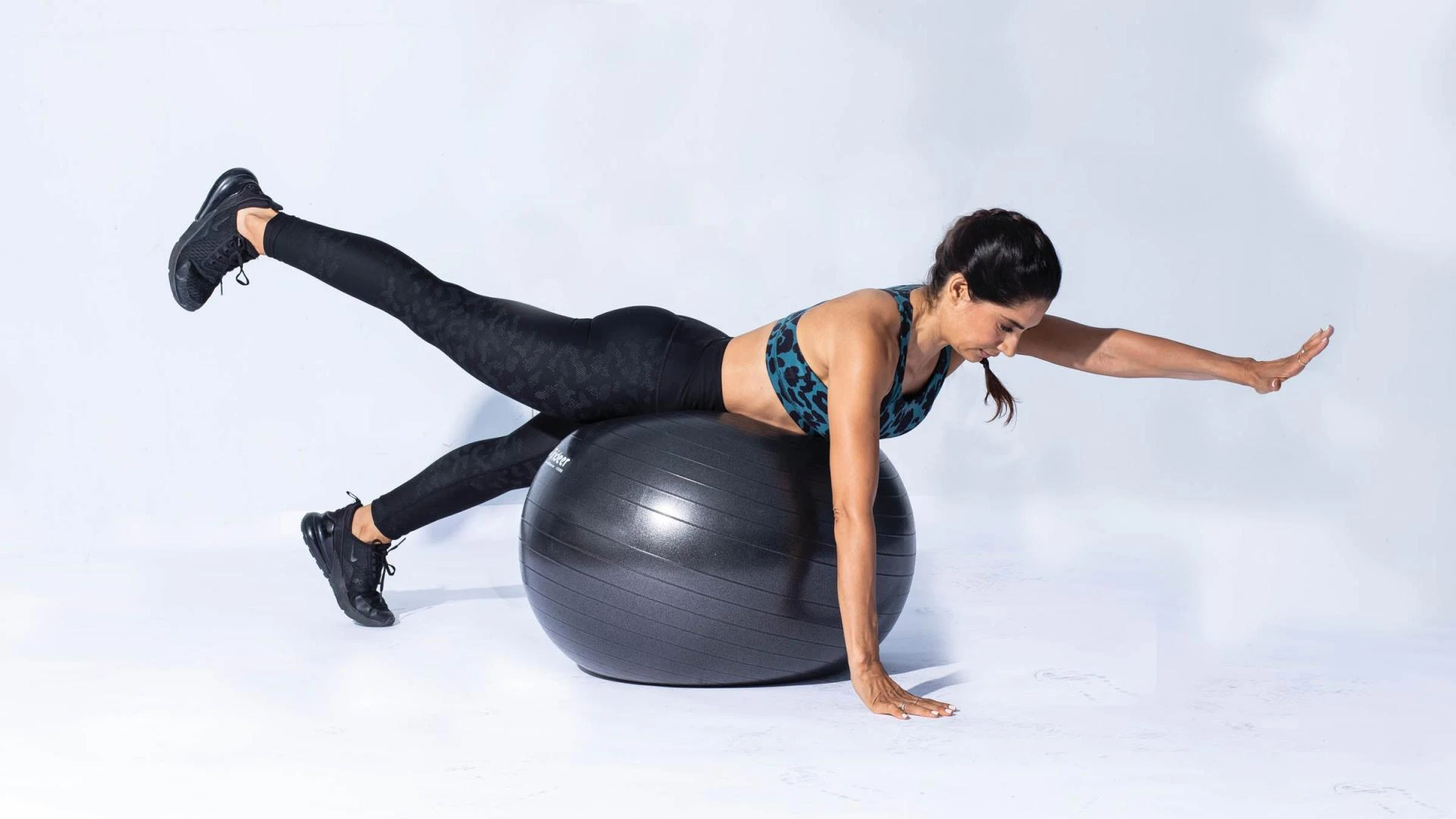

Yoga balls, often called stability balls or exercise balls, have become a popular tool in fitness routines worldwide. Their versatility makes them ideal for enhancing balance, core strength, and overall body stability. While many beginners use yoga balls for simple stretches, advanced Yoga Ball Exercises can challenge your muscles, improve posture, and elevate your fitness level. In this article, we will explore a range of advanced exercises designed to enhance strength and stability, while keeping your workouts engaging and effective.
Why Incorporate Yoga Balls Into Your Workout
Incorporating a yoga ball into your fitness routine brings a unique dynamic that traditional exercises might lack. The unstable surface requires continuous engagement of stabilizing muscles, especially the core. Advanced Yoga Ball Exercises not only improve muscle strength but also enhance proprioception, which is your body’s awareness of movement and position. This is particularly beneficial for athletes or individuals recovering from injury, as it encourages functional strength in real-life movements.
Moreover, yoga balls allow for low-impact workouts that reduce stress on joints while promoting flexibility. By including these exercises in your routine, you can target multiple muscle groups simultaneously, making your workouts more efficient and effective.
Core Strengthening Exercises
One of the primary benefits of using a yoga ball is the engagement of core muscles. A strong core is essential for balance, posture, and injury prevention. Advanced Yoga Ball Exercises for the core include ball rollouts, pikes, and crunch variations.
- Ball Rollouts: Kneel on the floor with the ball in front of you. Place your hands on the ball and slowly roll it forward, extending your body while keeping your core tight. Roll back to the starting position.
- Pike on the Ball: Start in a push-up position with your shins on the ball. Engage your core and lift your hips toward the ceiling, forming a pike position. Slowly lower back down.
- Oblique Crunches: Sit on the ball with your feet firmly on the floor. Lean back slightly and twist your torso side-to-side to target your oblique muscles.
These exercises challenge stability while strengthening abdominal and lower back muscles. Consistently performing these moves can significantly improve your balance and posture.
Full-Body Strength Training With Yoga Balls
Advanced Yoga Ball Exercises are not limited to core workouts. You can engage your entire body using this versatile tool. Incorporating yoga balls into strength training enhances muscle activation and stability. For example, performing squats with the ball against a wall provides support while targeting the legs and glutes.
Chest presses and push-ups on the ball increase upper body strength, while simultaneously demanding stability from your core and legs. You can even use the ball for resistance training by adding dumbbells or resistance bands. The combination of balance and resistance helps improve muscle tone and endurance.
Additionally, using a yoga ball in strength training prevents monotony in workouts, keeping your body challenged and adaptive to new movements. This method complements traditional weightlifting, making your fitness routine well-rounded and functional.
Enhancing Balance and Stability
Balance is crucial for both athletic performance and daily activities. Advanced Yoga Ball Exercises like single-leg squats or seated rotations can significantly improve your stability. Standing on one leg while holding the ball above your head requires coordination and engages stabilizing muscles throughout the body.
A unique benefit of yoga ball training is that it forces you to control movement. Each motion demands fine motor adjustments to maintain balance. This not only strengthens muscles but also enhances neural pathways involved in coordination and movement efficiency.
Furthermore, integrating balance-focused Yoga Ball Exercises into your routine can prevent injuries by strengthening joints and improving overall body awareness. For older adults, this aspect is especially valuable as it reduces the risk of falls and promotes safer mobility.
Flexibility and Mobility Benefits
Beyond strength, Yoga Ball Exercises support flexibility and mobility. Stretching over the ball allows a greater range of motion, targeting muscles that may be difficult to reach in traditional floor stretches. For instance, back extensions on the ball help decompress the spine, while chest-opening stretches improve shoulder flexibility.
Incorporating yoga ball stretches in your cool-down routine also aids in muscle recovery and reduces post-workout soreness. Maintaining flexibility alongside strength ensures that your muscles remain functional, balanced, and ready for high-performance movements.
Interestingly, using the ball for mobility exercises can enhance joint health and prevent stiffness. These movements complement more dynamic workouts and are essential for long-term physical well-being.
Integrating Yoga Ball Exercises Into Daily Fitness
One of the advantages of advanced Yoga Ball Exercises is their adaptability to various fitness levels. Whether you are a seasoned athlete or a fitness enthusiast, these exercises can be tailored to meet your needs. Combining yoga ball routines with bodyweight exercises, resistance training, or cardio can create a comprehensive fitness regimen.
For example, performing a circuit that includes ball pikes, wall squats, push-ups on the ball, and oblique twists challenges multiple muscle groups while maintaining an elevated heart rate. This method promotes fat burning, muscle endurance, and overall conditioning.
Furthermore, these exercises can be easily performed at home, requiring minimal equipment beyond the yoga ball. Consistent practice fosters better body awareness, strength, and stability in everyday activities.
Health and Wellness Considerations
When practicing advanced Yoga Ball Exercises, it’s essential to prioritize Health and Wellness. Proper technique and gradual progression are crucial to prevent injuries. Beginners should first master basic stability and core exercises before moving on to advanced routines.
Maintaining a neutral spine, controlled movements, and proper breathing are key principles to follow. Additionally, choosing the right ball size based on your height ensures optimal performance and comfort. For most adults, sitting on the ball with knees at a 90-degree angle is the recommended posture.
Pay attention to your body’s signals. If you experience discomfort in joints or muscles, pause and reassess your form. Yoga ball training should enhance fitness and flexibility, not cause strain or injury. Consulting a fitness professional can also help you develop a personalized program tailored to your strength and stability goals.
Sample Advanced Yoga Ball Workout
To illustrate the practical application of advanced Yoga Ball Exercises, here is a sample workout targeting strength, stability, and flexibility:
- Ball Rollouts – 3 sets of 12 reps
- Pike on the Ball – 3 sets of 10 reps
- Wall Squats with Ball – 3 sets of 15 reps
- Push-Ups on the Ball – 3 sets of 12 reps
- Seated Oblique Twists – 3 sets of 20 reps (10 per side)
- Back Extensions – 3 sets of 15 reps
- Chest-Opening Stretch – 1–2 minutes
This routine engages all major muscle groups while incorporating balance and flexibility exercises. Adjust the repetitions, sets, or rest periods based on your fitness level. Incorporating such workouts 2–3 times per week can provide noticeable improvements in strength, posture, and overall stability.
Tips for Maximizing Results
To maximize the benefits of advanced Yoga Ball Exercises, consistency and focus are key. Here are some tips to enhance your results:
- Focus on Form: Quality over quantity. Proper alignment and control prevent injuries and improve efficiency.
- Increase Difficulty Gradually: Add repetitions, resistance, or balance challenges over time.
- Combine with Cardio: Integrate yoga ball exercises with cardio sessions for overall fitness improvement.
- Listen to Your Body: Avoid pushing through pain. Muscle fatigue is normal, but joint pain is a warning.
- Stay Hydrated: Proper hydration supports muscle recovery and overall performance.
By following these guidelines, you can ensure your advanced yoga ball routine is safe, effective, and sustainable. Over time, you will notice improved core strength, enhanced balance, and greater confidence in your movements.
Conclusion
Advanced Yoga Ball Exercises offer a dynamic approach to building strength, stability, and flexibility. Whether you are aiming to enhance your athletic performance, prevent injuries, or improve posture, integrating these exercises into your routine can deliver remarkable results.
The combination of balance, resistance, and full-body engagement makes yoga ball training a valuable addition to any fitness program. Prioritizing proper form, gradual progression, and Health and Wellness ensures that your workouts remain effective and safe. Embrace the challenge of advanced yoga ball exercises and take your fitness journey to the next level.





























Sign in to leave a comment.