

Why AI meal planning has moved from novelty to daily habit
Open any commuter train in San Francisco, New York, or London and you will see the same small ritual playing out on glowing screens: someone photographing lunch, scanning a barcode, or approving an app-generated dinner plan that already fits a calorie target, protein goal, grocery budget, and gluten restriction. That shift happened fast. A few years ago, nutrition apps were mostly digital food diaries. By mid-2026, the strongest products operate more like adaptive health copilots—combining food logging, predictive meal recommendations, shopping assistance, and behavior coaching in one loop.
The rise is not just anecdotal. Consumer interest in personalized AI health tools has surged, and mainstream coverage has followed. MSN reported on the rapid growth of personalized AI nutrition coaches, framing them as a mass-market category rather than a niche wellness experiment. That matters because scale changes expectations. Users no longer want an app that merely counts macros; they expect one that understands preferences, notices patterns, and reduces the mental load of deciding what to eat.
From a health-tech perspective, the appeal is obvious. Meal planning is where intention often breaks down. People know they should eat more fiber, distribute protein better, or prepare lunches ahead of time. Yet the friction of planning, shopping, portioning, and tracking creates drop-off. AI lowers that friction by turning nutrition data into recommendations that feel immediate and personal. In the best cases, it also integrates with wearables, sleep metrics, and activity data—an approach familiar to anyone following broader digital wellness trends in Silicon Valley.
Still, popularity should not be confused with precision. Some apps are excellent at convenience but weak on clinical nuance. Others are brilliant at personalization but opaque about data use. If you are trying to choose the right platform, the real question is not whether AI belongs in nutrition. It is which kind of AI is useful, safe, and sustainable for your body, your goals, and your lifestyle.
AI nutrition works best when it reduces decision fatigue without replacing human judgment—especially for people with medical conditions, disordered eating history, or highly specific dietary needs.
That distinction runs through this entire category. The smartest users treat AI meal planning as an amplifier of good habits, not a substitute for evidence-based care.
How nutrition apps evolved into AI-powered planning systems
To understand current tools, it helps to look at how the category changed. First-generation nutrition apps were built around manual logging. They asked users to search a food database, estimate portion sizes, and review daily calories after the fact. Useful, yes—but labor intensive. Engagement often collapsed after the first few weeks because the burden stayed on the user.
The second wave added automation. Barcode scanners improved packaged-food logging. Photo recognition began estimating meals from images, though accuracy varied widely. Recommendation engines then started suggesting recipes based on previous meals, calorie goals, or grocery lists. That was the bridge to today’s AI systems, which can synthesize multiple inputs at once: your food history, body metrics, allergies, budget, cooking time, activity level, and even whether you tend to overeat late at night.
Recent consolidation in the market shows how valuable these capabilities have become. The Next Web reported that MyFitnessPal acquired Cal AI, a viral calorie-tracking app known for AI-assisted food recognition. That deal signals two things. First, incumbents believe computer vision and conversational nutrition guidance are now core features, not side experiments. Second, the market is rewarding apps that make logging faster and more intuitive.
The technical stack has also matured. Many leading apps now rely on a combination of:
- Computer vision to identify foods from photos and estimate portions
- Natural language processing to interpret prompts such as “build me a high-protein vegetarian lunch under 600 calories”
- Recommendation models that learn from user adherence, preferences, and substitutions
- Predictive analytics to forecast hunger patterns, missed meals, or likely nutrition gaps
- Behavioral coaching systems that time reminders and nudges when users are most likely to act
That combination is what turns a static tracker into a meal-planning engine. It can propose a week of meals, adapt after a skipped breakfast, swap ingredients when a store is out of stock, and rebalance macros by dinner. Readers who want a broader overview of category mechanics may find useful context in AI Nutrition Apps for Smarter, Safer Meal Planning and AI Nutrition Apps for Meal Planning: Benefits, Risks, and Best Uses, both of which map the consumer side of this shift.
What changed most, though, is philosophical. The best apps are no longer asking, “What did you eat?” They are asking, “What are you likely to eat next, and how can we make that easier to improve?” That is a much more powerful question.
What the best AI nutrition apps actually do well
Not every app that says “AI” deserves the label. Some simply add a chatbot on top of a legacy food database. Others provide meaningful planning intelligence. When I evaluate nutrition platforms, I look at whether the AI improves outcomes in four practical areas: accuracy, personalization, adherence, and convenience.
Accuracy starts with food recognition and database quality. If an app cannot distinguish between a grain bowl with tahini and one with creamy dressing, calorie and macro estimates can drift quickly. The stronger platforms let users confirm or correct AI guesses, which improves future recommendations. This human-in-the-loop design matters because meals are messy, mixed, and culturally diverse—far beyond the neat labels of packaged food.
Personalization is the next dividing line. A useful app should not only know that you want to lose weight or build muscle. It should understand whether you work night shifts, cook for a family, avoid dairy, train for endurance, or need lower-sodium options. Some products also ask about budget constraints, grocery access, and preferred cuisines. Those details sound mundane, but they determine whether a meal plan survives contact with real life.
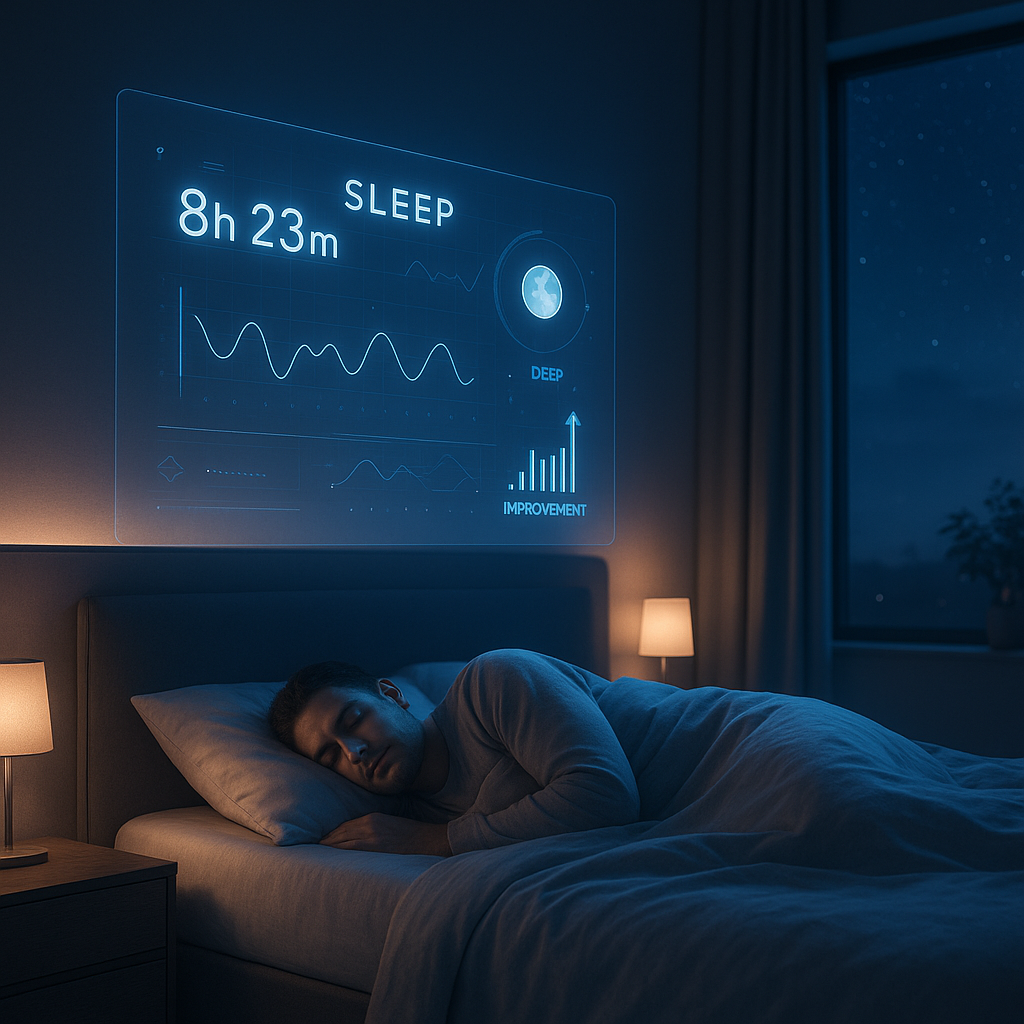
Adherence may be the most underrated metric. A perfect meal plan that no one follows is worthless. AI can help by learning when users tend to abandon plans and then adjusting complexity. If you repeatedly skip recipes with 14 ingredients, the app should stop giving them to you. If you overeat after poor sleep, integrations with wearables may help the system suggest more satiating meals or earlier snacks. This is where health tech becomes behavior tech.
Convenience closes the loop. The strongest products generate shopping lists, batch-cooking schedules, restaurant alternatives, and on-the-fly substitutions. They also make logging frictionless enough that people keep using them after the novelty fades.
When comparing apps, focus on these capabilities:
- How well the app handles your dietary restrictions and medical context
- Whether meal plans adapt after missed meals or changed goals
- How transparent the app is about calorie estimates and confidence levels
- Whether grocery lists and recipes map to foods you can actually buy
- How easily you can edit AI suggestions without breaking the system
- Whether the app supports long-term habit formation rather than short-term compliance
Coverage by Today highlighted the case of a man who lost 100 pounds using an AI nutrition app, but the story also emphasized an essential caution: success stories are compelling, yet they do not guarantee that every app is appropriate for every user. Today’s report on AI nutrition app-driven weight loss underscores a broader truth I see repeatedly—tools can support change, but outcomes depend on consistency, context, and the quality of guidance behind the interface.
The strongest AI nutrition apps do not merely prescribe meals; they learn from friction, simplify choices, and adapt to the user’s actual behavior rather than an idealized routine.
That is the benchmark. If an app cannot adapt, it is not really planning—it is just automating a template.
Where AI meal planning helps most—and where it can go wrong
There is a reason this category resonates with busy professionals, parents, athletes, and people managing chronic conditions. AI meal planning can produce real benefits when used thoughtfully. It saves time. It reduces repetitive decisions. It can support more consistent protein intake, calorie awareness, fiber targets, hydration prompts, and shopping discipline. For users trying to improve body composition or stabilize energy, that structure matters.
In practical terms, AI nutrition apps are especially useful for:
- People who already know their goals but struggle with planning consistency
- Users who want recipe and grocery automation tied to macros or calories
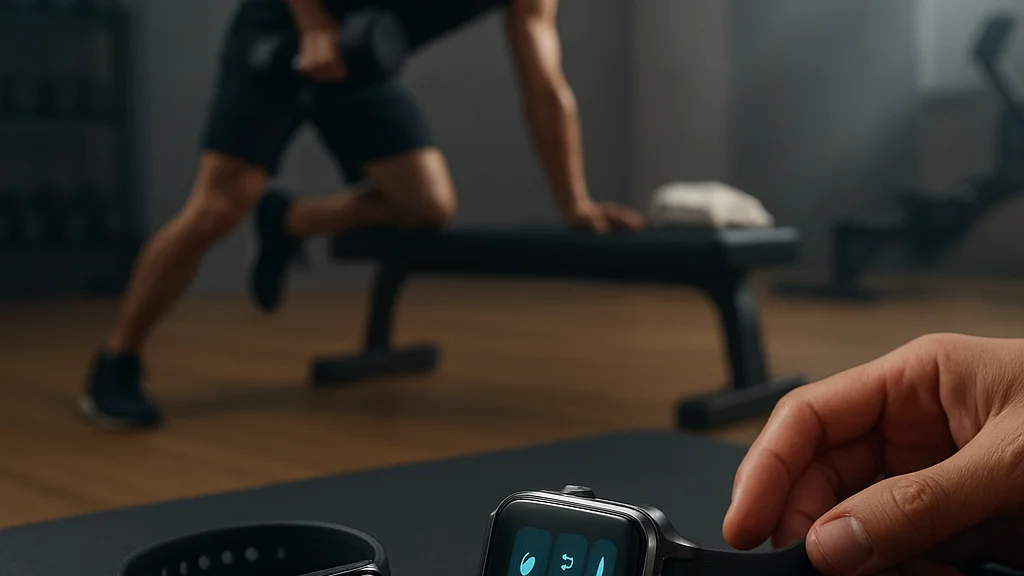
- Fitness-oriented consumers integrating meal plans with wearable data
- Vegetarian, vegan, or allergy-conscious households needing substitutions
- Beginners who need simple guardrails rather than deep nutrition theory
Yet the same systems can mislead when people over-trust them. Computer vision still struggles with hidden oils, sauces, mixed dishes, and portion sizes. Recommendation engines may optimize for calorie targets while underemphasizing micronutrients, sodium, or food quality. Some apps also push aggressive deficit goals because users respond to quick results, even when that approach is hard to maintain.
Safety concerns are not theoretical. The Los Angeles Daily News recently published five practical tips for using AI safely in health and nutrition, including verifying advice and being cautious with sensitive personal data. That guidance aligns with what clinicians and digital health analysts have been saying for years: the more intimate the health recommendation, the more important oversight becomes.
Several red flags deserve attention:
- Medical overreach: If an app appears to diagnose conditions or replace professional care, step back.
- Opaque logic: If you cannot tell why a meal was recommended, trust erodes quickly.
- Extreme calorie targets: Fast-loss plans may drive short-term adherence but poor long-term outcomes.
- Weak privacy controls: Nutrition data can reveal pregnancy status, chronic disease risk, religious practices, and more.
- One-size-fits-all coaching: Generic prompts dressed up as AI are common in the market.
There is also a mental health dimension. For users with a history of obsessive tracking or disordered eating, constant scoring and food surveillance can backfire. This is where product design matters enormously. Better apps allow users to hide calories, focus on meal quality, or shift toward habit-based coaching. In wellness tech, personalization should include emotional fit—not just macronutrient precision.
If an app leaves you more anxious, more rigid, or more confused about eating, it is not helping, no matter how polished the interface looks.
How to choose the right app for your goals, body, and routine
Consumers often ask for the “best” AI nutrition app, but that is the wrong frame. The better question is: best for what? A bodybuilder, a prediabetic office worker, a college student on a budget, and a parent planning family dinners do not need the same product. Matching the app to the use case is more important than chasing the loudest brand.
Start by defining your primary objective. If your goal is fat loss, you may want robust calorie estimation, satiety-oriented meal suggestions, and weekly adherence tracking. If your goal is muscle gain, protein planning, meal timing, and grocery automation may matter more. For metabolic health, look for support around fiber, added sugar, sodium, and consistency—not just calorie totals. For general wellness, the ideal app may be one that minimizes logging burden while nudging better defaults.
Here is a practical selection framework I recommend:
- Clarify your goal: weight loss, muscle gain, blood sugar support, convenience, family planning, or dietary restriction management
- Check input methods: photo logging, barcode scanning, text prompts, wearable integration, manual editing
- Review output quality: recipes, shopping lists, macro balance, ingredient substitutions, restaurant guidance
- Assess flexibility: can the app adjust after travel, social meals, or missed workouts?
- Inspect privacy: read what data is stored, shared, or used for model training
- Test the coaching tone: supportive, neutral, evidence-based coaching beats guilt-driven nudges
Current category roundups can help narrow the field. Readers comparing product types may want to cross-reference Top 7 AI-Powered Nutrition Apps Transforming Meal Planning and Expert Tips for AI-Driven Nutrition Apps in Meal Planning 2026. Those pieces are useful companions because they spotlight different user profiles and decision criteria.
Another underappreciated step is to run a two-week trial with realistic conditions. Do not test the app during your most disciplined week. Test it when work is busy, when you eat out twice, when sleep is imperfect, when groceries run low. That is when weak systems reveal themselves. If the app becomes annoying or inaccurate under normal stress, it will not last.
In Silicon Valley product terms, retention is the truth serum. The right nutrition app is the one you still trust after the honeymoon period—when convenience, clarity, and adaptability matter more than slick onboarding.
What has changed in 2026: smarter models, tighter scrutiny, bigger platforms
The AI nutrition app market in 2026 looks more mature than it did even 18 months ago. Three developments stand out. First, multimodal AI has improved the user experience. Apps are getting better at combining image recognition, conversational prompts, and behavior history in a single workflow. A user can now snap a photo, ask for a lower-sodium alternative, and receive a revised dinner plan that also updates tomorrow’s grocery list. That level of continuity used to require multiple apps or a lot of manual effort.
Second, platform consolidation is accelerating. The MyFitnessPal-Cal AI acquisition is part of a broader pattern in digital health: large incumbents are buying or building AI-native features rather than treating them as add-ons. Expect more overlap between nutrition tracking, telehealth, fitness subscriptions, and metabolic monitoring. The strategic logic is clear—nutrition data becomes more valuable when paired with activity, sleep, heart rate, and medication context.
Third, scrutiny is rising. As AI-generated wellness advice reaches millions, consumers and regulators are asking harder questions about accuracy, privacy, and implied medical claims. Mainstream reporting has become notably more balanced. The MSN and Today pieces reflect enthusiasm, but they also highlight the need for caution and context. That is healthy for the category. Hype alone is not enough anymore.
Several 2026 trends are worth watching closely:
- More wearable integration: nutrition suggestions increasingly respond to sleep debt, training load, and recovery signals
- Better family and household planning: apps are moving beyond single-user optimization
- Voice-based coaching: conversational interfaces are becoming more natural and less robotic
- Food quality scoring: some apps are shifting from calories alone toward ingredient quality and satiety
- Clinical adjacency: more products are positioning themselves near diabetes prevention, obesity care, and cardiometabolic support
What has not changed is the need for skepticism. AI can summarize nutrition science, but it cannot erase the complexity of human metabolism, culture, stress, and access. A recommendation engine may know your macro target. It does not automatically know your relationship with food.
2026 is the year AI nutrition stopped being a clever add-on and became infrastructure for broader health platforms—but infrastructure still needs guardrails.
That is the central tension of the moment: more capability, more convenience, and more responsibility.
The future of AI nutrition apps—and the smartest way to use them now
Over the next few years, the strongest AI nutrition apps will likely become less visible and more embedded. Meal planning will blend into grocery delivery, employer wellness programs, remote care, and wearable ecosystems. Instead of opening a nutrition app as a separate task, users may receive context-aware prompts across the day: a lunch suggestion after a poor night’s sleep, a hydration reminder after a long run, a high-fiber dinner option after a restaurant-heavy week. The technology is moving toward ambient assistance.
I also expect more emphasis on metabolic personalization. As continuous glucose monitoring, microbiome claims, and digital biomarkers continue to influence wellness markets, app makers will try to present nutrition as an individualized control panel. Some of that will be useful. Some of it will be over-marketed. The challenge for consumers will be distinguishing validated features from expensive speculation.
For now, the smartest approach is disciplined and simple. Use AI to remove friction, not to outsource agency. Let the app help with planning, shopping, and consistency. But keep your own standards for what counts as progress: better energy, stronger adherence, improved labs when relevant, healthier routines, and less stress around food.
If you are starting fresh, remember these takeaways:
- Choose an app that matches your real goal, not a generic aspiration
- Prioritize adaptability over flashy AI branding
- Verify health claims, especially if you have a medical condition
- Watch your mental response to tracking and scoring features
- Protect your data with the same seriousness you apply to financial apps
- Measure success by sustainability, not just short-term weight change
That final point is where the category will ultimately be judged. The winning AI nutrition apps will not be the ones that generate the most impressive demos. They will be the ones that quietly help people eat better for months, then years—without creating confusion, dependence, or burnout.
As someone who watches health tech from the center of the innovation cycle, I see genuine promise here. AI meal planning can make nutrition more accessible, more responsive, and more realistic for modern lives. But the future belongs to tools that combine intelligence with restraint—systems smart enough to personalize and humble enough to know their limits.
That is the complete guide in one sentence: the best AI nutrition app is not the one that thinks for you. It is the one that helps you make better decisions, more consistently, with less friction and more clarity.





























Sign in to leave a comment.