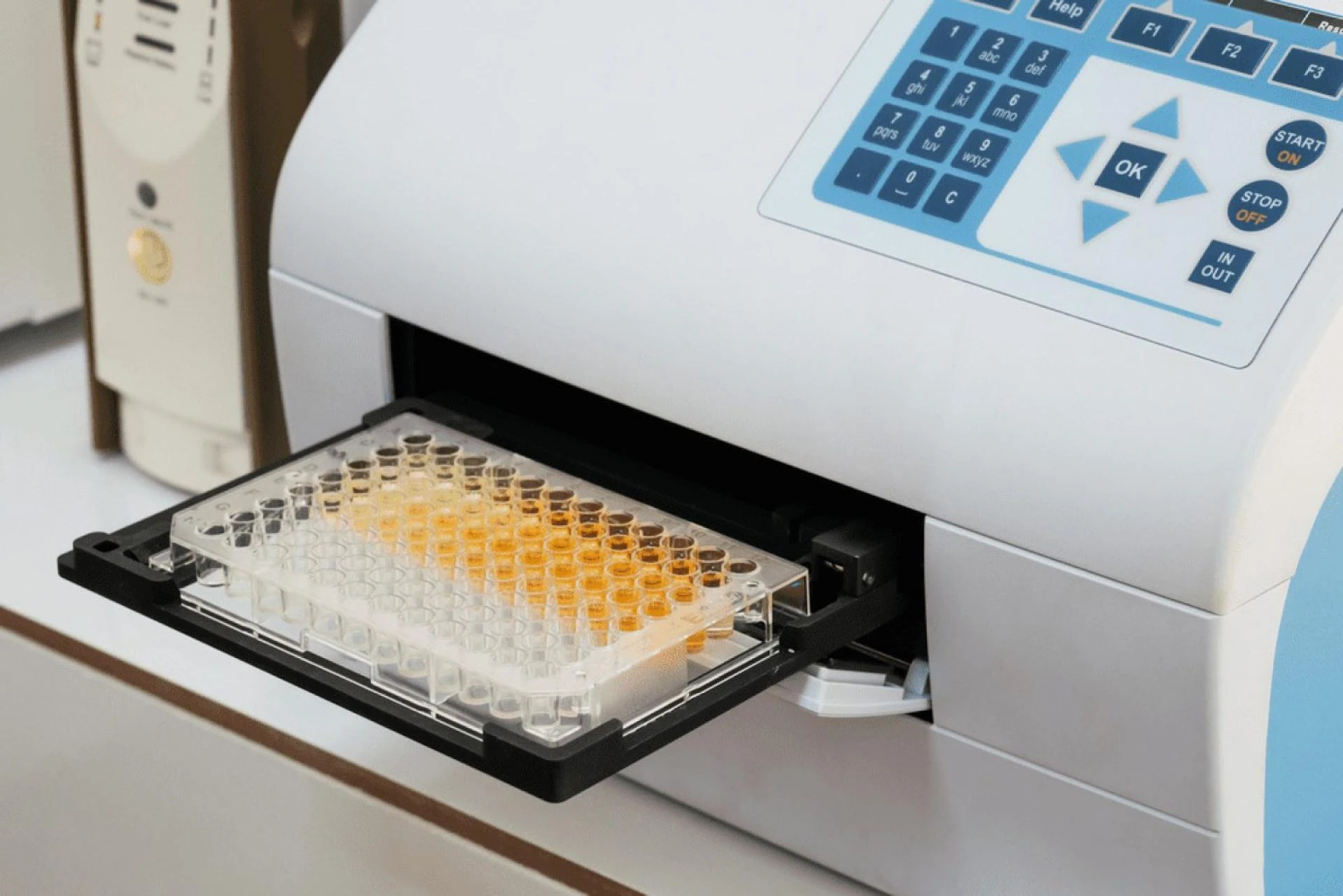

Advancements in immunoassay instruments have brought about a revolution in the field of diagnostics, transforming the way diseases are detected and monitored. These instruments have witnessed remarkable progress in terms of sensitivity, specificity, and multiplexing capabilities, leading to more accurate and comprehensive diagnostic outcomes.
One of the key advancements is the development of high-throughput immunoassay platforms that allow for the simultaneous detection of multiple analytes in a single sample. This has significantly enhanced efficiency and productivity in diagnostic laboratories, enabling faster and more comprehensive testing. Additionally, the integration of automation and robotics in immunoassay instruments has streamlined workflows, reduced human errors, and increased the reproducibility of results.
Another significant advancement is the improvement in detection limits, allowing for the identification of lower concentrations of biomarkers. This has facilitated the early detection of diseases, enabling timely intervention and improving patient outcomes. Moreover, advancements in immunoassay technology have led to the miniaturization of instruments, making them more portable and suitable for point-of-care testing.
Advancements in immunoassay instruments have revolutionized diagnostics by enhancing sensitivity, specificity, multiplexing capabilities, and automation. These advancements have not only improved the accuracy and efficiency of disease detection but also paved the way for personalized medicine and the development of novel diagnostic approaches.

























Sign in to leave a comment.