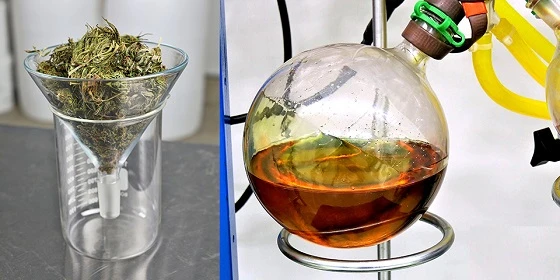

The cannabis industry has witnessed remarkable evolution in recent years, driven by increasing legalization, scientific research, and consumer demand for quality products. Among the many facets of this growing sector, cannabis oil extraction remains a cornerstone of innovation and product development. Whether used for medicinal or recreational purposes, cannabis oils must meet high standards of purity, potency, and safety. Achieving this requires careful consideration of the extraction method, and as the field matures, industry professionals are increasingly turning toward better ethanol extraction methods to meet these stringent criteria.
Understanding the Basics of Cannabis Oil Extraction
Cannabis extraction involves isolating desired compounds—like cannabinoids, terpenes, and flavonoids—from the plant matrix. These compounds are responsible for the therapeutic and psychoactive effects of cannabis and are the foundation for various end-products, including tinctures, capsules, topicals, and vape cartridges. Several extraction techniques are commonly employed, including supercritical CO₂ extraction, hydrocarbon extraction, and ethanol extraction.
Each method has its strengths and weaknesses. CO₂ extraction is known for its ability to preserve terpene profiles, but it requires expensive equipment and precise conditions. Hydrocarbon methods (e.g., using butane or propane) are efficient but carry concerns related to residual solvents and safety. Ethanol extraction, by contrast, offers a cost-effective, scalable, and relatively safe solution—especially when properly optimized.
The Evolution of Ethanol Extraction
Ethanol has long been used in botanical extractions. Its polarity allows it to pull a broad spectrum of compounds from the plant, including both polar and non-polar substances. This wide range of extractability makes ethanol a versatile solvent. However, its broad-spectrum nature can also be a double-edged sword: undesired compounds such as chlorophyll may also be extracted, affecting the flavor, color, and stability of the final product.
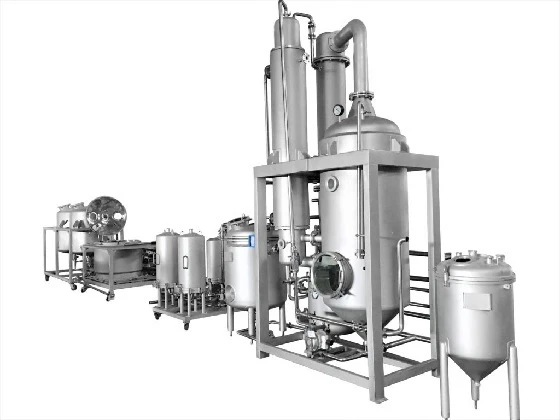
Recent advancements in technology and process optimization have led to better ethanol extraction methods that reduce these drawbacks. With refined techniques, ethanol extraction can now achieve high levels of selectivity and efficiency, yielding cleaner, more targeted extracts with reduced post-processing requirements. These improvements are reshaping how the cannabis industry approaches oil production.
Key Innovations Driving Improvement
- Temperature Control
- One of the most significant advancements in ethanol extraction has been the precise control of temperature during the process. Cold ethanol extraction, typically conducted at temperatures as low as -40°C, helps to limit the co-extraction of chlorophyll and waxes. This leads to a cleaner extract, reducing the need for winterization or further purification.
- Closed-Loop Systems
- Modern ethanol extraction systems operate within closed-loop designs, enhancing safety and solvent recovery. These systems are engineered to minimize exposure, reduce emissions, and capture solvents for reuse. This not only supports sustainability goals but also reduces operational costs over time.
- Inline Filtration and Separation
- Integrating inline filtration units allows the removal of unwanted plant materials during extraction, streamlining the process and improving throughput. Advanced separation techniques further help isolate specific cannabinoids and terpenes, making the resulting oil more customizable for product developers.
- Automation and Process Control
- Automation has played a critical role in standardizing ethanol extraction. Automated controls manage variables like pressure, flow rate, and solvent ratios, reducing human error and ensuring consistent product quality. This is crucial for companies aiming to scale their operations while maintaining compliance and reliability.
- Integration with Post-Processing
- Better ethanol extraction is not just about the initial solvent wash—it's also about how the extracted material is handled post-process. Integrated systems that combine extraction, filtration, distillation, and even decarboxylation reduce labor and improve overall efficiency.
Advantages Over Other Extraction Techniques
While each method has its niche, ethanol extraction, when optimized, offers several benefits over other popular techniques:
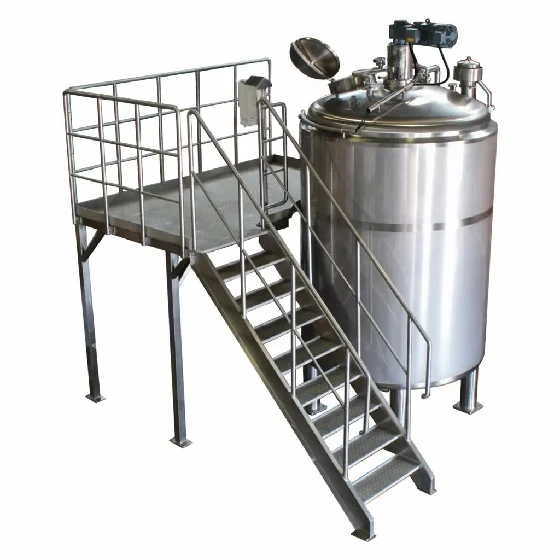
- Scalability: Ethanol systems can be easily scaled up or down to meet production needs, making them ideal for both craft producers and industrial processors.
- Lower Operating Costs: Compared to CO₂ systems, ethanol equipment is often less expensive to purchase and maintain, offering a more accessible entry point for new businesses.
- Versatility: Ethanol can be used to produce full-spectrum, broad-spectrum, or isolate products, depending on the process and desired outcomes.
- Faster Throughput: With modern equipment, ethanol extraction allows for faster processing times without compromising quality.
Challenges and Considerations
Despite its advantages, ethanol extraction does present some challenges. Solvent handling must be managed with care to avoid fire hazards, and facilities must be designed to comply with safety regulations. Additionally, the wide range of compounds ethanol can extract means that post-processing is often necessary to refine the oil. That said, the increasing sophistication of extraction systems and protocols is helping to address these issues.
Another consideration is solvent purity and recovery. Using food-grade or pharmaceutical-grade ethanol is essential to ensure the safety and quality of the final extract. Efficient solvent recovery systems are also critical for reducing waste and keeping production costs low.
The Future of Cannabis Oil Extraction
As the cannabis market matures, consumer preferences are shifting toward products that are not only effective but also clean, natural, and sustainably produced. Producers must therefore prioritize extraction methods that align with these values. Ethanol extraction, especially in its improved form, is well-suited to meet this demand.
Ongoing research into solvent interactions, cannabinoid behavior, and new hardware solutions will continue to push the boundaries of what’s possible. The future may also see hybrid techniques that combine the strengths of various extraction methods to achieve even higher purity and efficiency.
Moreover, regulatory oversight is likely to increase, particularly in markets where cannabis products are becoming mainstream. This will necessitate further standardization and transparency in extraction processes. Companies that adopt reliable, scalable, and compliant extraction technologies today will be better positioned to thrive in the evolving landscape.
The path to premium cannabis oil starts with a thoughtful, science-driven approach to extraction. While no single method is perfect for every application, the advancements in ethanol-based techniques offer a compelling option for producers seeking a balance of quality, cost-efficiency, and scalability. By embracing better ethanol extraction, the cannabis industry is not only improving its processes but also laying the groundwork for safer, more effective products that meet the expectations of today’s consumers.


























Sign in to leave a comment.