

When an enterprise deploys an algorithm into live operations, the real test begins. In a sandbox, machine learning code usually looks great. The training data is clean, variables are controlled, and performance curves point upward. But the moment that system touches live customer inputs, unpredictable market shifts, or messy legacy databases, operational breakdown becomes a real threat.
That drop between test performance and real-world execution is where capital gets wasted. Without thorough AI model validation, autonomous tools make bad predictions, drift off course, or quietly burn through operating margins. Ensuring models stay accurate and fair under pressure isn’t just a technical maintenance step - it is how an enterprise safeguards bottom-line performance.
What Goes Wrong When Skipping Organizations Model Validation?
Building a predictive workflow or tuning an open-source model is only the starting line. Once live, algorithms hit changing environments fast. User habits pivot, macroeconomic conditions shift, and unexpected edge cases show up every day.
If engineering teams do not continually test AI models against real conditions, performance slips fast. Research shows that around 80% of enterprise machine learning projects fall short of intended financial targets, mostly because systems degrade after launch.
On top of that, early-stage pilots get scrapped entirely before ever reaching production due to uncalibrated outputs and unaddressed data flaws.
When unvalidated software meets live operations, failure usually hits in three distinct ways:
- Overfitting on past patterns
A system memorizes historical training sets instead of grasping real logic. It looks brilliant in tests, then fails on day one of live launch.
- Data and concept drift
Customer trends move on, but the system stays anchored to old assumptions. The math stays accurate for 2023, but it gives dead-wrong answers today.
- Unnoticed bias
Algorithms pick up on subtle distortions in old datasets, amplifying unfair outcomes that trigger compliance reviews and public relations problems.
Catching these flaws early requires technical teams to pressure-test software against real stress scenarios before giving the green light.
Four Main Steps to Robust Model Verification
Checking a model isn’t just about looking at basic accuracy metrics like standard F1 scores. A real strategy covers technical reliability, legal alignment, and continuous operational checks.
1. Sliced Data and Stress Testing
Overall average scores often hide serious problems. Looking at model behavior across specific, small data slices helps reveal if a high general success rate hides massive failure rates in low-volume, high-stakes situations like catching rare fraudulent bank transfers.
2. Regulatory Alignment and Fairness Audits
As legal frameworks around automated processing tighten, outputs must stand up to outside scrutiny. Modern AI testing solutions map out decision paths to make sure calculations remain objective, balanced, and fully defensible under regulatory audits.
3. Guardrails for Adversarial Intrusions
In complex workflows, inputs get manipulated sometimes intentionally through prompt injection, other times accidentally through corrupt data streams. Rigorous testing checks these boundaries, so safety features hold firm when bad inputs enter the queue.
4. Continuous Live Telemetry
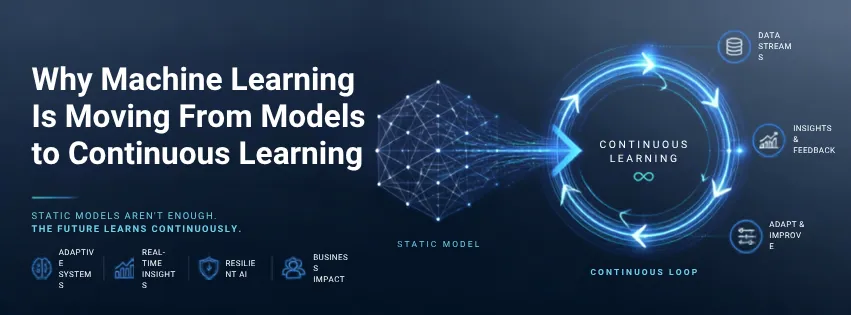
Verification isn’t a one-time gate passed before deployment. It is an ongoing loop. Setting up live telemetry lets engineering teams monitor distribution shifts in real time, firing off alerts the minute accuracy strays from baseline limits.
Putting a systematic process for AI model validation in place builds a reliable safety net across the entire software lifespan.
Moving Toward Automated Quality Assurance
The technology ecosystem moves quickly. As organizations hand more routine tasks over to automated tools like triggering purchasing orders, handling customer claims, or running logistics routing, a single wrong output ripples right across company operations.
Static reviews every six months no longer cut it. Enterprise workflows need evaluation suites tied straight into continuous delivery pipelines. That way, regression tests fire off automatically whenever fresh datasets or updated prompt templates go live.
Setting up that level of monitoring takes tight alignment across data engineering, governance policies, and automated testing tools. Partnering with a skilled AI/ML development company gives technical teams the blueprint to run high-grade evaluation setups from day one, skipping the costly structural fixes that usually follow a failed pilot.
Protecting the Long-Term Return on Enterprise Tech
Launching machine learning tools without validation is like rolling out core accounting software without running a single audit. Capability creates opportunity, but rigorous validation keeps operations safe, protects corporate reputation, and secures a return on investment.
A structured evaluation framework protects company reputation, satisfies compliance rules, and keeps automated decisions aligned with operational goals. Making AI model validation a mandatory part of engineering builds stable digital assets that drive predictable growth. To turn experimental setups into reliable software, leveraging scalable AI/ML services with validation built into the core remains the smartest step forward.




















Sign in to leave a comment.