

Clinical documentation is one of the most important parts of healthcare. Every patient visit, diagnosis, treatment plan, and follow up decision depends on clear and accurate medical records. Doctors, nurses, and healthcare staff spend a large part of their day creating notes to make sure patient information is properly recorded. These records are essential for continuity of care, legal compliance, billing, and overall patient safety.
However, traditional documentation methods can be time consuming and tiring. Writing notes manually or typing them after long clinical hours often leads to delays, incomplete information, or errors. This is where ai powered medical transcription is changing the way healthcare professionals manage clinical documentation. By converting spoken medical conversations into written text quickly and accurately, this technology helps healthcare providers focus more on patient care and less on paperwork.
What Is AI Powered Medical Transcription
AI powered medical transcription is the process of using artificial intelligence to convert spoken medical audio into written clinical documents. This includes doctor patient conversations, medical reports, discharge summaries, progress notes, and other healthcare related recordings. The technology uses advanced speech recognition, natural language processing, and medical language understanding to produce accurate transcripts.
Unlike traditional transcription methods that rely only on human transcriptionists, ai powered medical transcription learns from medical terminology, accents, speech patterns, and context. Over time, it becomes more accurate and efficient. This makes it a valuable tool for modern healthcare environments where speed, accuracy, and data security are essential.
How AI Powered Medical Transcription Works
AI powered medical transcription follows a structured process to ensure accuracy and clarity.
Audio Capture and Speech Recognition
The process begins with capturing audio from clinical settings. This could be a doctor dictating notes, a patient consultation, or a medical team discussion. The AI system listens to the audio and uses speech recognition technology to identify spoken words.
Medical environments often include background noise, fast speech, and complex terminology. Advanced systems are trained specifically on medical language, allowing them to recognize clinical terms, drug names, and procedures more accurately than general speech recognition tools.
Natural Language Processing and Context Understanding
After converting speech into text, the system uses natural language processing to understand context. This step is crucial in healthcare because many words can have different meanings depending on how they are used. For example, medical abbreviations and similar sounding terms must be interpreted correctly.
AI powered medical transcription systems analyze sentence structure, clinical context, and medical grammar. This helps ensure that the final document reflects the true meaning of the spoken content and aligns with clinical documentation standards.
Structured Output for Clinical Use
Once the text is processed, the system organizes the information into structured medical documents. This may include sections such as patient history, symptoms, diagnosis, treatment plan, and follow up instructions. Structured documentation makes it easier for healthcare professionals to review records and for systems to integrate the data into electronic health records.
Benefits of AI Powered Medical Transcription in Healthcare
The adoption of ai powered medical transcription brings several advantages to clinical documentation and overall healthcare operations.
Improved Accuracy and Consistency
One of the biggest benefits is improved accuracy. AI systems trained on medical data can recognize complex terminology and reduce spelling or interpretation errors. Consistent formatting and standardized language also improve the quality of medical records.
Accurate documentation helps reduce misunderstandings between healthcare providers and supports better clinical decisions. It also plays a key role in legal compliance and insurance claims.
Time Savings for Healthcare Professionals
Doctors and nurses often spend hours documenting patient interactions. AI powered medical transcription significantly reduces this burden by converting speech into text in real time or within minutes. This allows healthcare professionals to complete documentation faster and spend more time with patients.
Time savings also reduce burnout, which is a growing concern in healthcare. By minimizing administrative tasks, clinicians can focus on what matters most, providing quality care.
Better Patient Engagement
When clinicians are not distracted by typing or writing notes, they can engage more fully with patients. Eye contact, active listening, and meaningful conversations improve patient trust and satisfaction. AI powered medical transcription supports this by allowing doctors to speak naturally during consultations while the system handles documentation in the background.
Cost Efficiency for Healthcare Organizations
Traditional transcription services can be costly and slow. AI powered medical transcription reduces turnaround time and lowers operational costs. Healthcare organizations can process more documentation with fewer resources while maintaining high accuracy levels.
This cost efficiency is especially beneficial for clinics, hospitals, and practices that handle large volumes of patient data daily.
Role of AI Powered Medical Transcription in Different Clinical Settings
AI powered medical transcription is flexible and can be used across various healthcare environments.
Hospitals and Large Healthcare Facilities
In hospitals, clinical documentation is complex and involves multiple departments. AI powered medical transcription helps manage large volumes of data efficiently. It supports emergency departments, inpatient wards, outpatient clinics, and specialized units by providing fast and accurate documentation.
Timely transcripts help ensure smooth communication between departments and support coordinated patient care.
Private Practices and Clinics
Smaller practices often have limited administrative staff. AI powered medical transcription helps doctors manage documentation without hiring additional personnel. This improves workflow and allows small practices to operate more efficiently.
Telemedicine and Remote Consultations
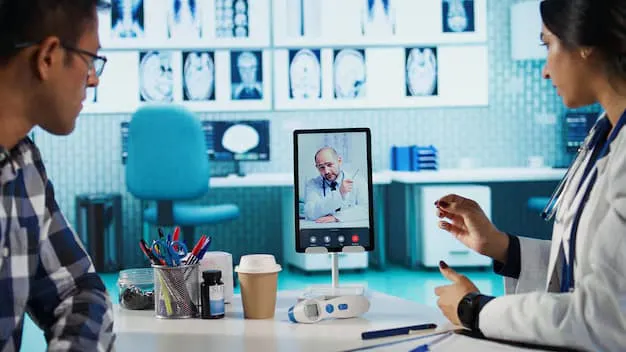
With the rise of telemedicine, accurate documentation of virtual consultations is essential. AI powered medical transcription works seamlessly with remote audio and video recordings, ensuring that telehealth visits are documented just as thoroughly as in person appointments.
This helps maintain consistent medical records regardless of how care is delivered.
Data Security and Compliance in AI Powered Medical Transcription
Healthcare data is highly sensitive, and security is a top priority. AI powered medical transcription systems are designed with strict data protection measures.
Patient Privacy and Confidentiality
Modern systems use encryption and secure storage to protect patient information. Access controls ensure that only authorized users can view or edit transcripts. This helps maintain confidentiality and builds trust with patients.
Compliance with Healthcare Regulations
Healthcare documentation must comply with legal and regulatory standards. AI powered medical transcription supports compliance by maintaining accurate records, audit trails, and standardized documentation practices. This reduces the risk of penalties and legal issues related to poor documentation.
Challenges and Considerations
While ai powered medical transcription offers many benefits, there are some considerations to keep in mind.
Handling Accents and Speech Variations
Medical professionals and patients come from diverse backgrounds, and accents can vary widely. Advanced AI systems continue to improve in recognizing different speech patterns, but ongoing training and refinement are important for optimal performance.
Need for Human Review
Although AI accuracy is high, human review is still valuable for critical documentation. Many healthcare providers use a hybrid approach where AI creates the initial transcript and clinicians review and approve it. This ensures the highest level of accuracy and accountability.
The Future of AI Powered Medical Transcription
The future of ai powered medical transcription looks promising as technology continues to evolve. Improvements in artificial intelligence, machine learning, and language understanding will further enhance accuracy and usability.
Future systems may integrate deeper with clinical decision support tools, helping identify important details or potential issues within transcripts. Voice based documentation is expected to become a standard practice in healthcare, making clinical workflows smoother and more patient centered.
As healthcare continues to embrace digital transformation, AI powered medical transcription will play a key role in improving efficiency, accuracy, and overall quality of care.
A Smarter Path Forward for Clinical Documentation
AI powered medical transcription is transforming clinical documentation by making it faster, more accurate, and less stressful for healthcare professionals. By reducing administrative workload and improving record quality, it supports better patient care and more efficient healthcare operations.
For healthcare providers seeking a reliable and intelligent solution to modern documentation challenges, platforms like PrismaScribe offer advanced ai powered medical transcription designed to support clinical workflows effectively. By adopting such solutions, healthcare teams can move toward a future where technology works quietly in the background while clinicians focus on delivering exceptional patient care.





























Sign in to leave a comment.