In the ever-evolving world of coffee roasting, some decisions come down to more than just performance—they come down to philosophy. If you're weighing the benefits of an all-air coffee roaster vs afterburner roaster, you're not just comparing equipment. You're comparing two very different approaches to roasting, sustainability, flavor development, and operational culture.
So, let’s take a closer look at what really separates these two systems—and what it means for your bottom line, your brand, and your beans.
What Exactly Are We Comparing?
Let’s quickly define our terms—because while both roasters serve the same end goal (turning green coffee into golden brilliance), they go about it in very different ways.
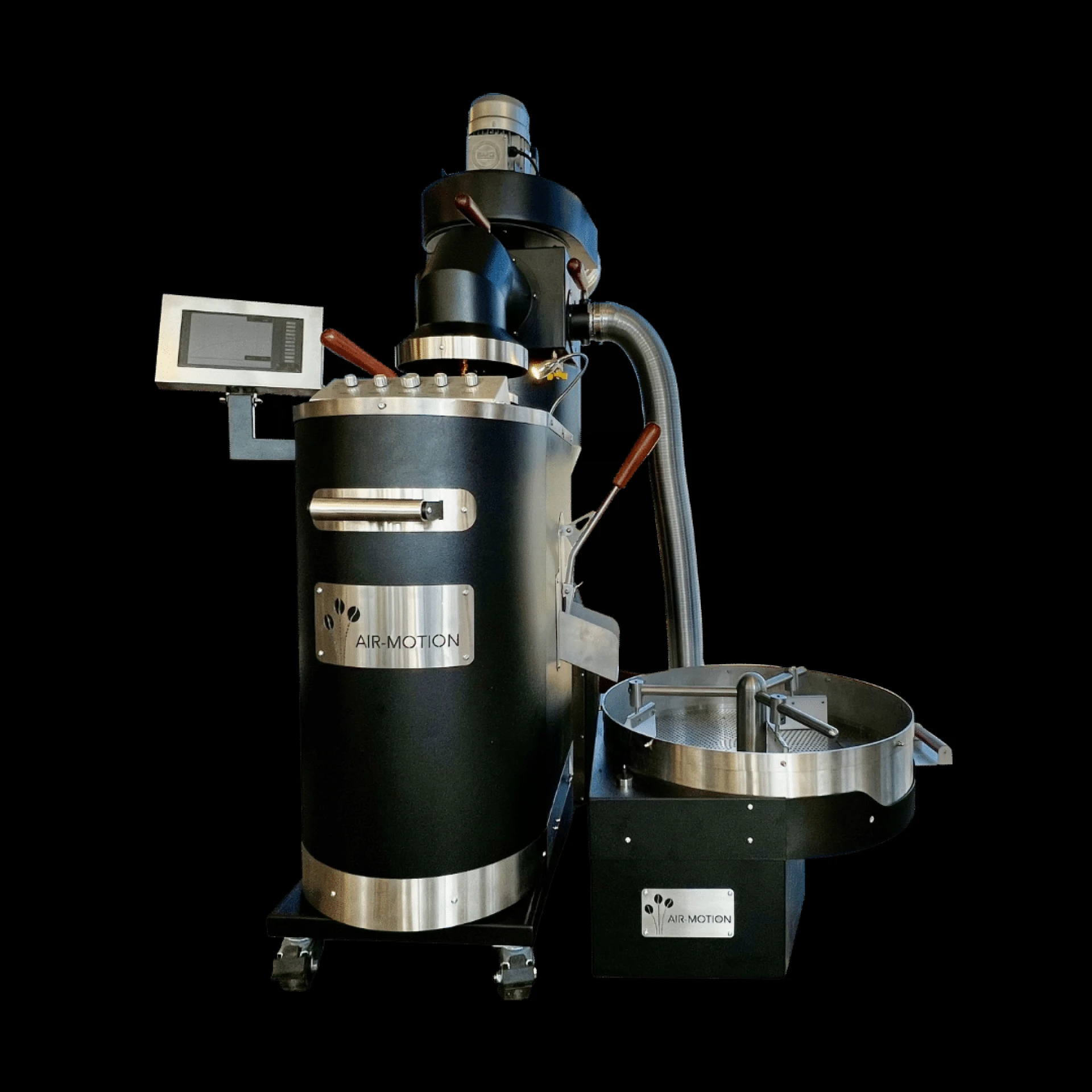
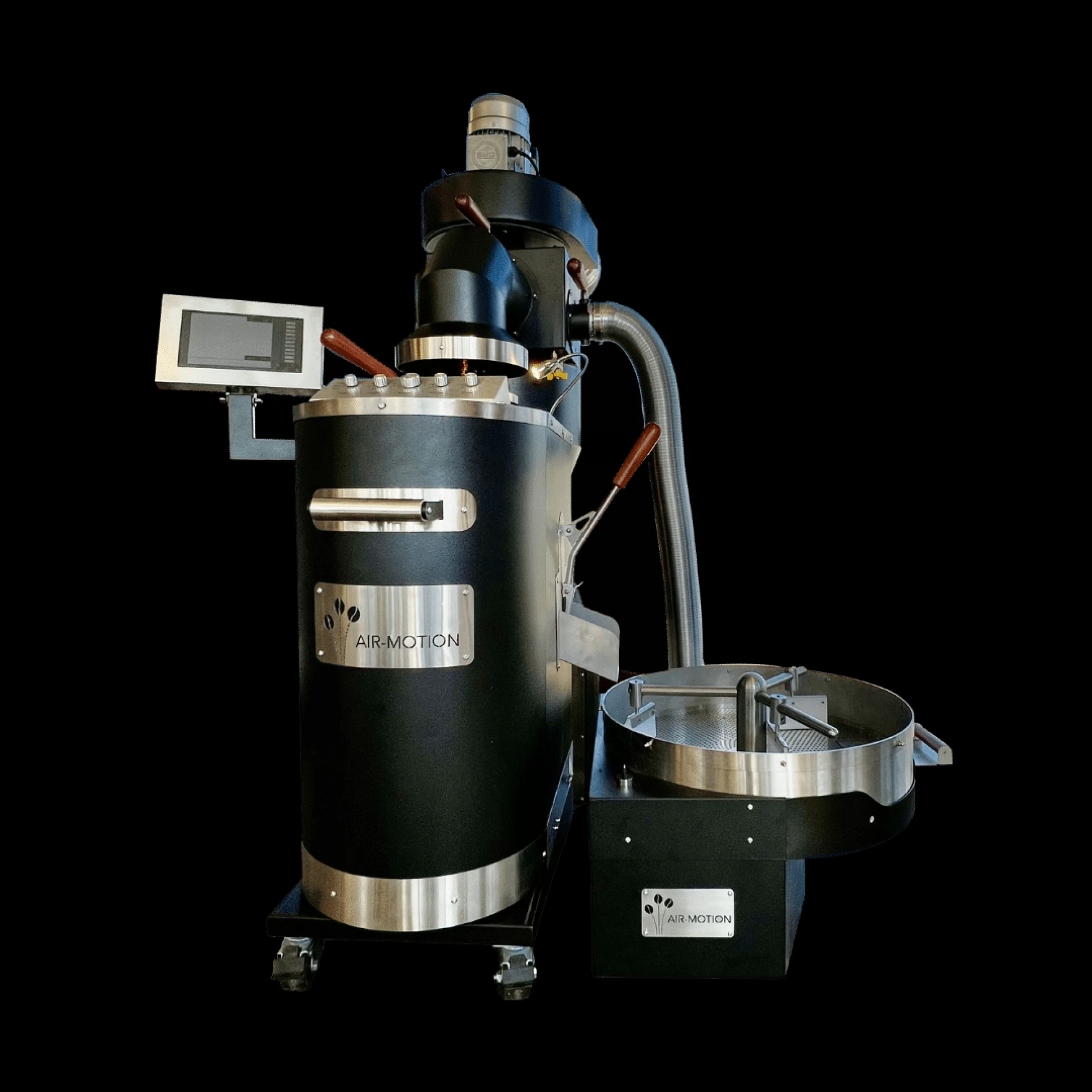
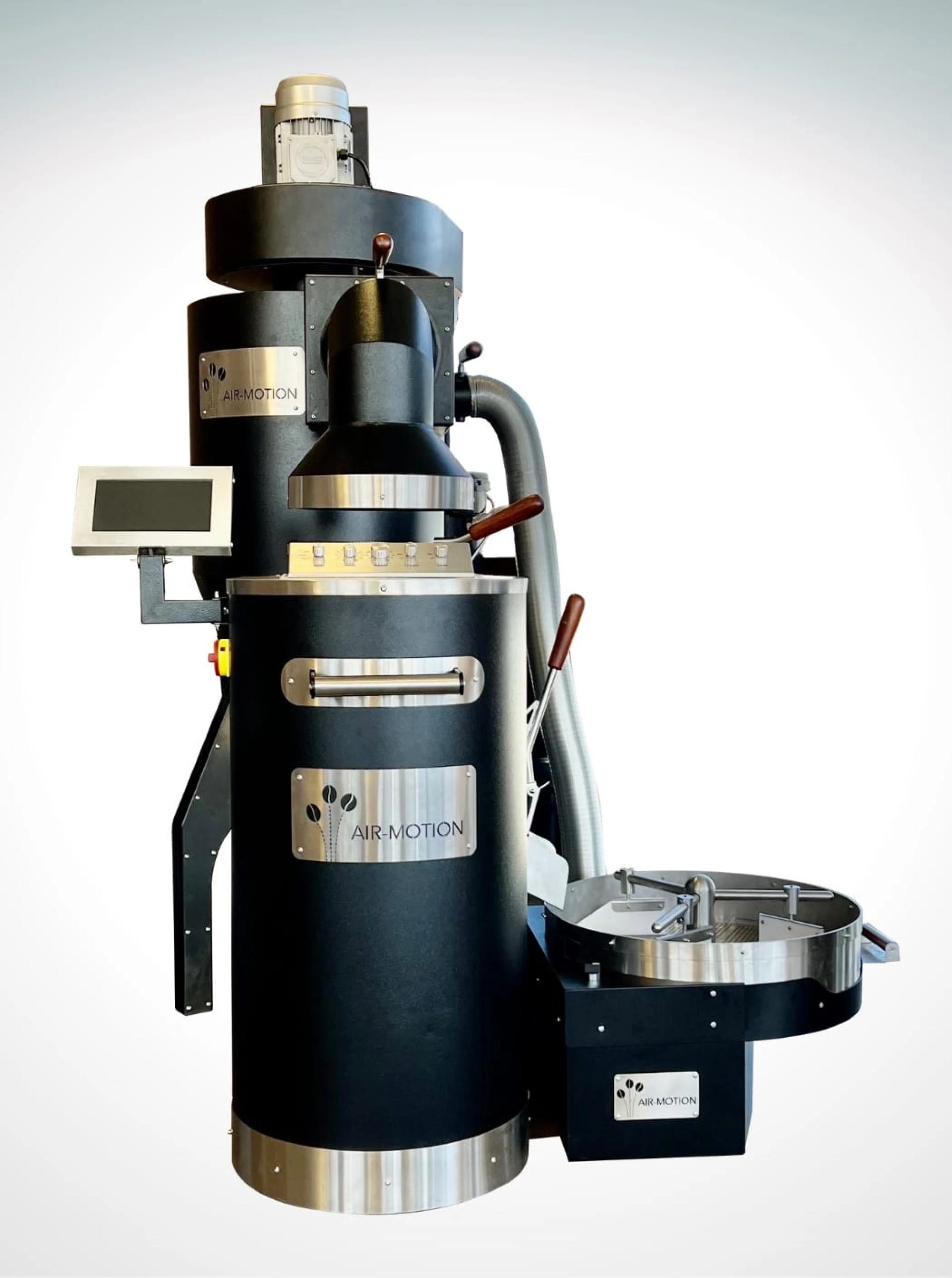
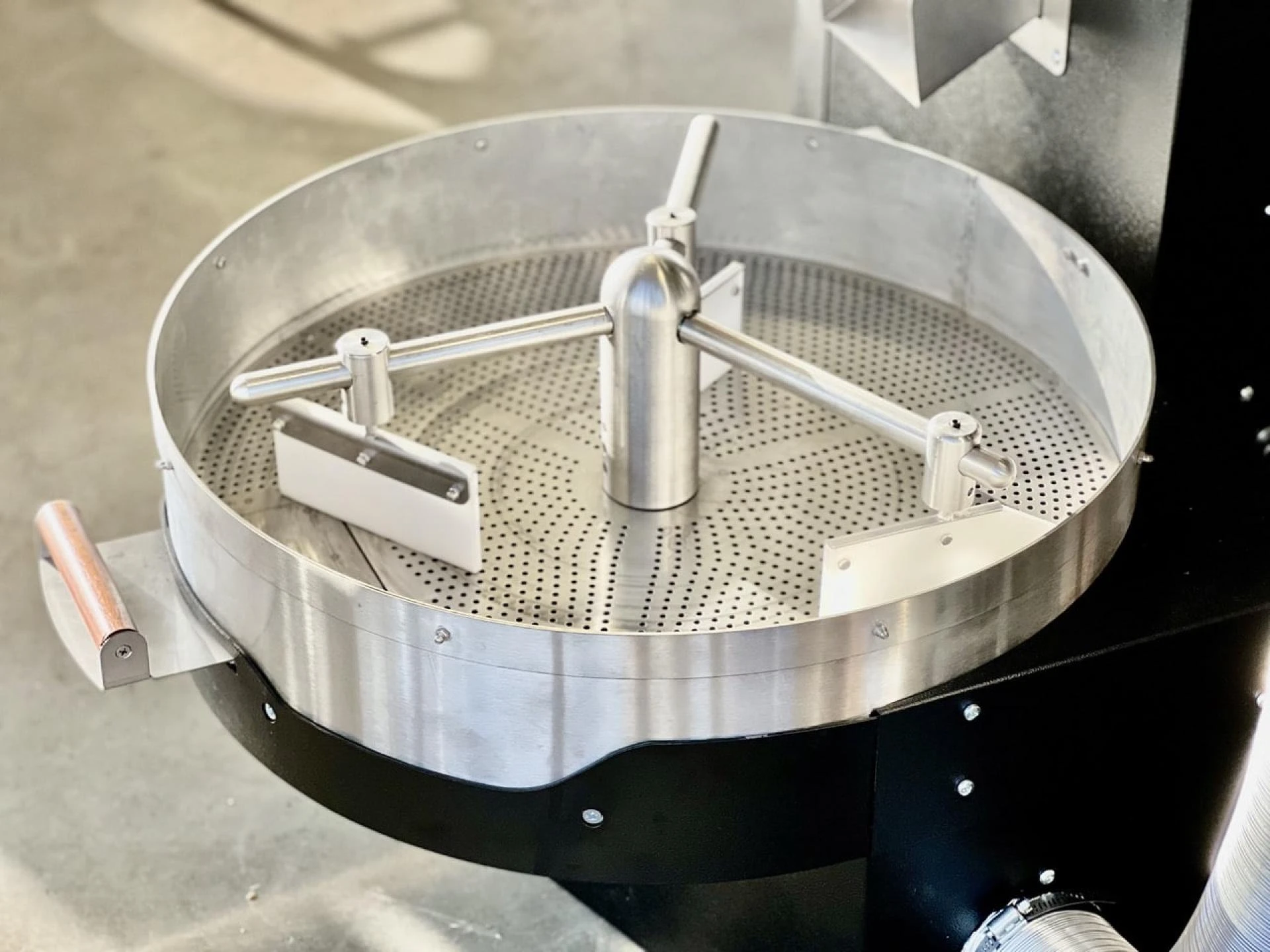
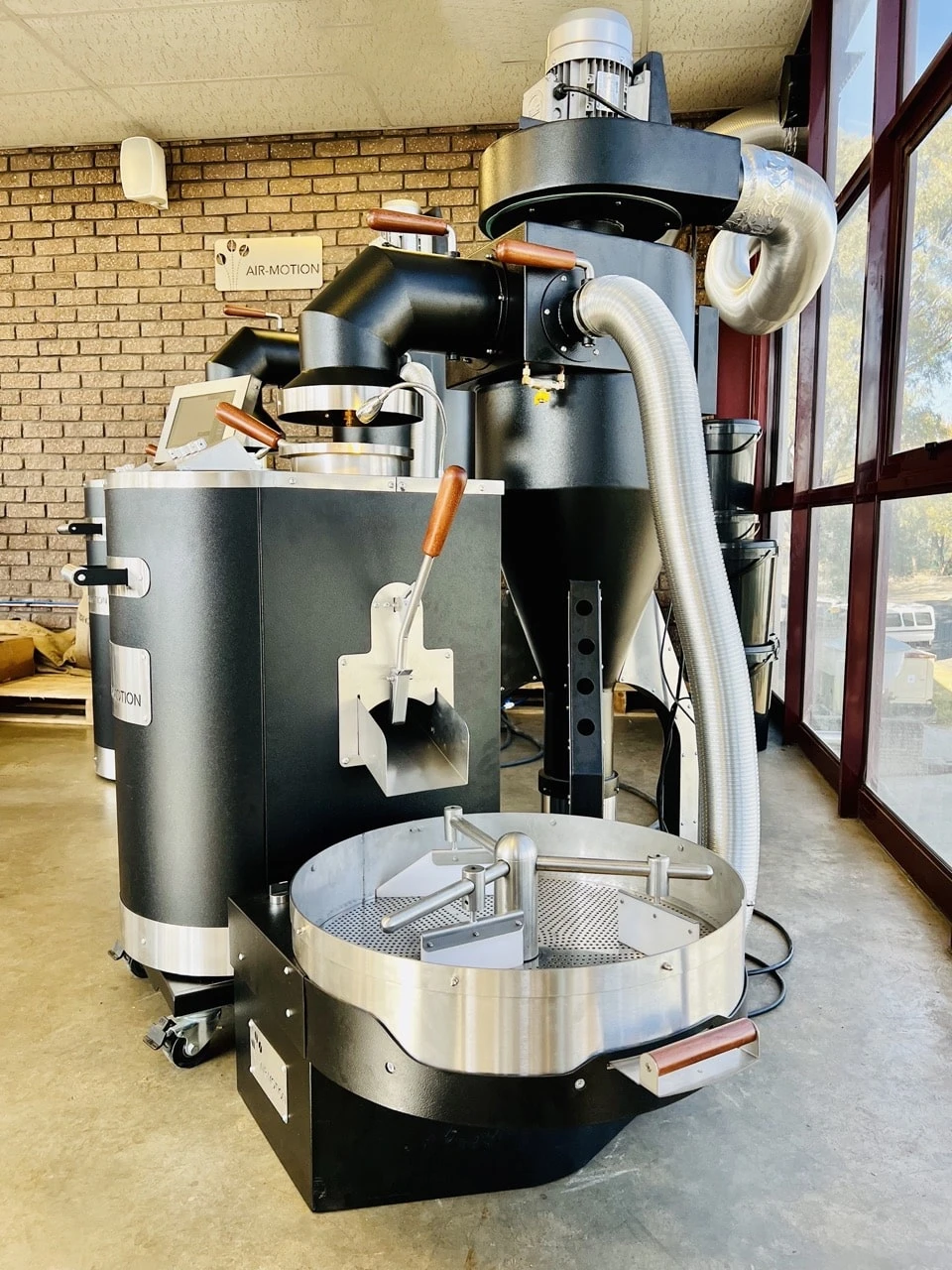
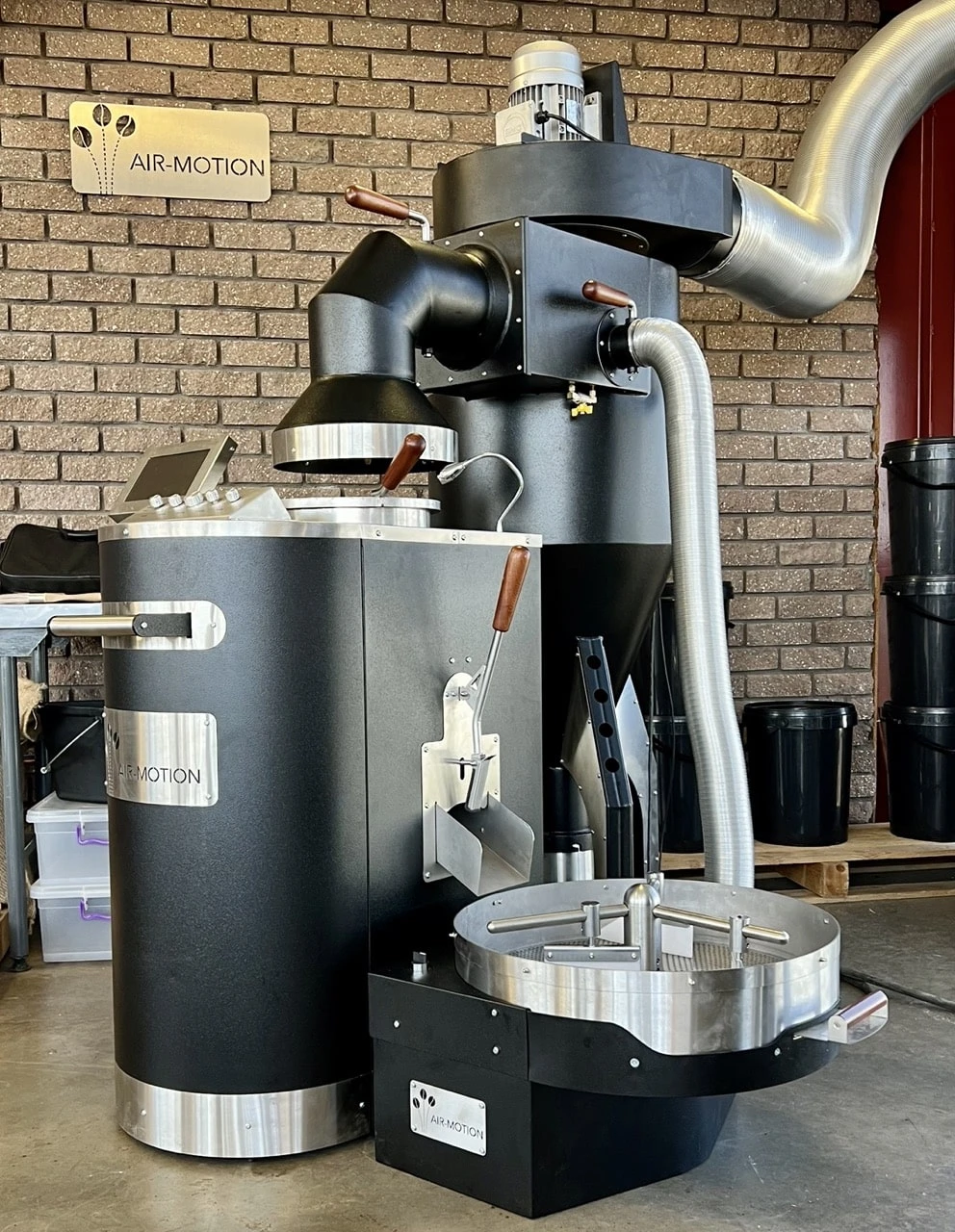
An all-air coffee roaster uses a stream of high-velocity hot air to suspend and roast the beans. No drum, no direct heat contact—just precision-controlled airflow doing the heavy lifting. On the flip side, traditional drum roasters often require an afterburner to clean up the smoke and emissions generated during roasting. That means extra heat, extra fuel, and extra infrastructure.
The all-air coffee roaster vs afterburner roaster debate often boils down to environmental impact, flavor control, and operational simplicity. And let’s be honest: all three matter a lot these days.
Emissions: The Elephant in the Roastery
Let’s start with the obvious. Afterburners are, by design, a fix for a problem—namely, the smoke and VOCs (volatile organic compounds) emitted during drum roasting. They work by incinerating these emissions at high heat—usually upwards of 1,200°F. That’s a lot of firepower (and fuel) just to neutralize the byproducts of an outdated roasting method.
Now contrast that with an all-air coffee roaster. These systems are designed from the ground up to operate cleanly. Because they roast via convection and suspend the beans in air, they don’t generate the same smoky exhaust to begin with. Most all-air models don’t require an afterburner at all—making them naturally ventless or low-emission.
So when comparing the all-air coffee roaster vs afterburner roaster, the former comes out ahead in both simplicity and sustainability.
Flavor Clarity and Control
Here's where things get interesting. One of the biggest myths in roasting is that afterburners don't affect flavor. But ask any seasoned roaster who’s dealt with one: when you're overcooking the air just to manage emissions, you're also flirting with flavor loss.
An all-air coffee roaster gives you a much cleaner environment to work with. Since the chaff is removed mid-roast via airflow, you’re not getting that baked-in smokiness that can mute a bean’s character. You also get more consistent heat transfer and faster adjustments, which means tighter control over your roast curve.
In the all-air coffee roaster vs afterburner roaster comparison, air wins again for roasters who care deeply about origin clarity and replicability.
Operational Efficiency: Less Equipment, More Coffee
Every piece of equipment you add to your roastery introduces new variables: cost, maintenance, training, and downtime. Afterburners can require significant investment—not just to install, but to maintain and operate safely.
When you're running an all-air coffee roaster, you're streamlining operations. Fewer moving parts. No gas lines to maintain. And no external system needed just to meet emissions standards. That simplicity translates to uptime, and uptime means more roasted coffee.
And let’s not forget the energy savings. Afterburners burn through gas like a sports car stuck in traffic. A modern electric all-air coffee roaster offers significantly better energy efficiency.
What About Roast Profiles?
Now, you might be thinking: sure, the all-air system sounds great—but can it handle darker roasts or complex profiles?
Absolutely. The latest generation of air roasters isn’t limited to just light and bright. With precision control over airflow, heat application, and timing, an all-air coffee roaster can coax everything from delicate floral notes to deep chocolatey resonance. This myth that air equals light is just that—a myth.
When weighing all-air coffee roaster vs afterburner roaster capabilities, know this: the best air systems today offer just as much profile range (if not more) than their drum-roasting counterparts—minus the emissions mess.
Sustainability That Makes Sense
Sustainability isn’t just a buzzword—it’s a business model. From compliance with local environmental regs to winning over eco-conscious customers, your roaster choice speaks volumes.
Choosing an all-air coffee roaster is a signal to your customers, partners, and baristas that you’re thinking long-term. No afterburner means fewer emissions, less infrastructure, and a cleaner production footprint.
When customers care about carbon, the all-air coffee roaster vs afterburner roaster comparison becomes a no-brainer.
Final Thoughts: What Kind of Roaster Are You?
This isn’t about dunking on tradition. Afterburners had their moment. But times have changed—and roasting tech has, too.
If you're building or scaling a specialty roasting operation that values clarity, control, and conscience, then it's worth asking: Why stick with a system that requires a band-aid like an afterburner, when you could just avoid the wound altogether?
In the world of all-air coffee roaster vs afterburner roaster, one path looks forward. The other keeps you cleaning up after the past.
























Sign in to leave a comment.