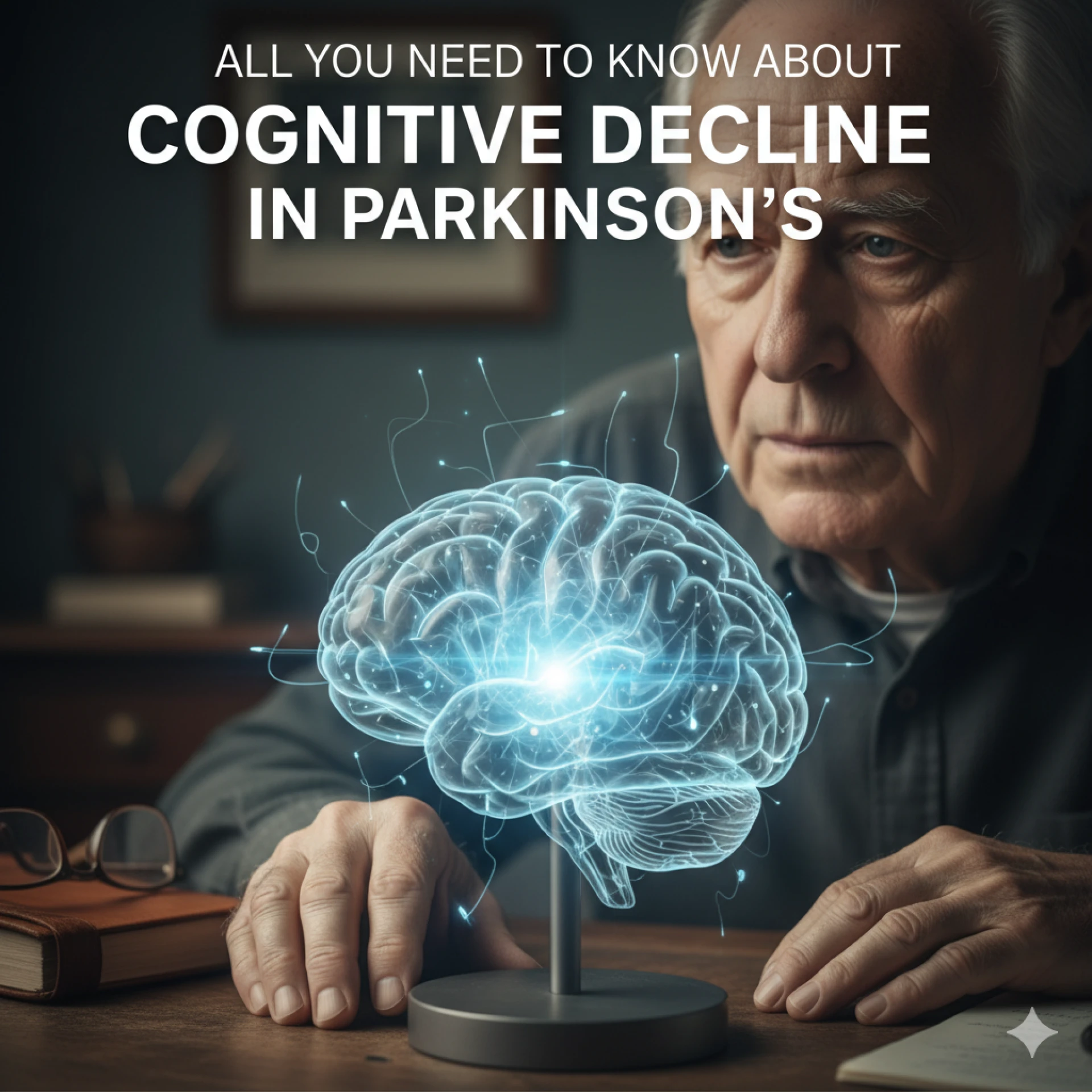

We often associate parkinson's disease with its most obvious signs, like shaking, stiffness, and slow movement. But there's another big part of the picture that doesn't get as much limelight, which is cognitive decline in parkinson’s. Yes—you heard that right, parkinson's can also cause tweaks in memory, focus, and how quickly someone can process information. These thinking problems can impact daily life and how someone feels. So, to take better care of people with cognitive decline in parkinson's and help them live their lives to the fullest, it's important to understand why these changes happen and what we can do early on to halt the progression of the disease.
Cognitive Decline In Parkinson’s: Early Warning Signals
Parkinson's disease, in most cases, hits a person’s motor function, but it also messes with other parts of the brain, especially the ones that control what you think and how you interact with the world around you. Experts have also noted that when parkinson's affects thinking, it usually happens gradually, so you might not notice it at first. But spotting these changes early on can really help in dealing with the disease effectively and on time.
Here are some symptoms that might show up early on:
● Being Forgetful: If you are having a hard time remembering the things you just did or said, then it’s your cue to get yourself checked by a doctor.
● Trouble Planning or Multi-tasking: Simple things like cooking a meal, keeping track of appointments, or handling money can become a real struggle. It's like the things you used to do without even thinking now feel all jumbled and confusing.
● Reduced Attention Span: Focusing on a book, a conversation, or even just finishing a task might feel like you’re in for a rough ride, which might make your mind sway more easily and make it tough to stay on track.
● Thinking Slowly: Some patients claim that their thoughts are all jumbled, and words don’t come as easily for them as they used to. It's like their brain is moving in slow motion, and it takes longer to process information.
● At A Loss For Words: It might be hard to find the right words when you're talking, and this can be quite frustrating, making it that difficult to communicate.
It's important to know that these signs don't automatically mean someone is getting dementia right away. What they do indicate is that parkinson's is starting to affect the brain's executive functions. These functions are key to making decisions, paying attention, and solving problems. So, if you or someone you know is experiencing these kinds of changes, then it’s always good to talk to a doctor right away. They can help you figure out what's going on and what steps to take going forward. Catching these things early can make a big difference in managing cognitive decline in parkinson's and living a healthy life.
Anything Else That You Need To Know?
Dealing with cognitive decline in parkinson's requires catching it early, living a positive lifestyle, and getting help from good doctors. Although there's currently no such thing as a complete fix, some things can still help slow it down or make it easier to cope with.
- Medicines and Regular Doctor Visits: Sometimes, changing the doses of your regular parkinson's drugs or even adding new ones can help make a difference.
It's really important to see your doctor often so they can keep an eye on how you're doing and change your treatment if they need to.
- Staying Active: Doing things like walking, tai chi, or riding a bike is great for your brain, as these activities help your brain make new connections and work better overall.
Any kind of exercise that you enjoy and can do regularly will be helpful.
- Brain Exercises: Just like your body, your brain also needs a workout! Doing puzzles, memory games, or special brain training programs can help you stay sharp.
These activities can make it easier to concentrate and remember things.
- Eating Well: What you eat really matters in hampering the growth of cognitive decline in parkinson’s. Foods with omega-3s (like fish), antioxidants (like berries), and vitamins B and D are all good choices.
Eating a balanced diet can help you keep your brain healthy and working just fine down the road.
Conclusion
Parkinson's disease shows us that it's about more than just shaking and being stiff. It changes how people perceive the world around them. It changes how they live their lives. If we spot these changes early and provide the correct treatments, then we can help these people stay independent and enjoy their lives again. Recent studies about neuroinflammation in alzheimer’s disease also help the researchers and doctors big time in understanding how thinking becomes impaired gradually and how to develop countermeasures against issues such as cognitive decline in parkinson’s.




























Sign in to leave a comment.