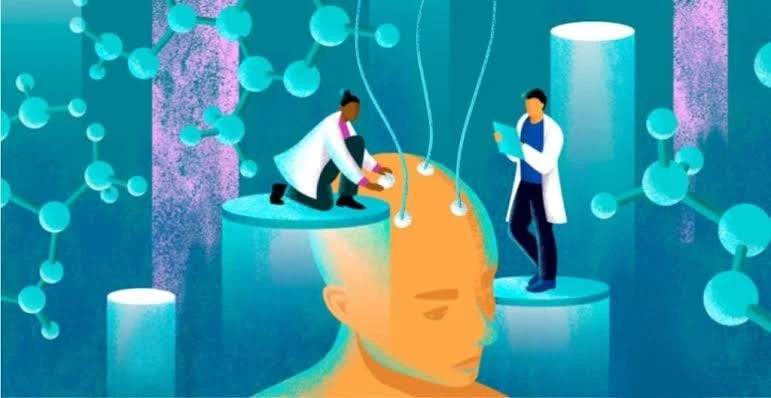

Parkinson's disease is a progressive brain problem that affects millions of people around the world. In addition to having trouble moving, like tremors, stiffness, and slow motion, a lot of people also have problems with their thinking, which can lead to dementia. These brain problems make treatment more difficult and have a big effect on the quality of life for both patients and caregivers. Neuroscience biotech companies have been at the forefront of creating new therapies to treat both the motor and cognitive symptoms of Parkinson's in recent years. This gives people who have dementia, because of the disease, new hope.
Understanding Parkinson’s Dementia
People with Parkinson's disease who also suffer from dementia include memory loss, confusion, poor decision-making, and difficulty completing tasks. There are a number of common reasons, including the accumulation of aberrant proteins, neuroinflammation, and the gradual loss of dopaminergic neurons contained within the brain. For the purpose of obtaining assistance and managing the issue promptly, it is essential to notice early warning indications.
Current Challenges in Treatment
To keep motor symptoms under control, standard therapies involve the use of medications such as levodopa and dopamine agonists. To feel better, certain individuals who have cognitive issues require a mix of taking medication, making adjustments to their everyday life, and participating in cognitive therapy. Although there are some viable choices, there is still a significant demand for treatments that not only alleviate the symptoms of dementia and Parkinson's disease but also alter the disease itself and get to the root of the condition.
Innovative Approaches by Neuroscience Biotech Companies
Neuroscience biotech companies are coming up with new ways to treat problems that go beyond just managing symptoms. Researchers are working on drugs that stop proteins from clumping together in strange ways and calm neuroinflammation. Gene therapy, on the other hand, tries to fix or replace faulty genes to get the brain working again. Researchers are also looking into stem cell therapies to repair damaged neurons. New combination approaches are also being developed that use more than one strategy to treat both motor and cognitive symptoms at the same time.
Leading Companies Making a Difference
A number of neuroscience biotech companies are leading the way in research and new ideas in this area. Annovis Bio, Inc. is working on treatments that protect neurons and slow down cognitive decline. Biogen, Inc. and other companies are working on drugs to treat neurodegenerative diseases, such as dementia and parkinson disease. Voyager Therapeutics is looking into gene therapy as a way to treat Parkinson's disease, and AC Immune is working on immunotherapies that target the buildup of abnormal proteins in the brain. These actions show how the biotech industry is changing the way Parkinson's dementia care is done.
The Role of Personalized Care
In order to provide patients with the best possible outcomes, it is best to combine advances in biotechnology with individualized treatment programs. There are a variety of tailored strategies, including taking medication, engaging in cognitive exercises, attending physical therapy, and making adjustments to your way of life. When it comes to the overall health of the patient, it is also vital to provide the caregiver with proper support and education. In addition to making life simpler for families, these things also help them deal with the difficult parts of the sickness that they are dealing with.
Conclusion
Within the next ten years, there will be a number of intriguing new medicines available for Parkinson's dementia. Biotechnology corporations in the field of neuroscience are making advancements that will assist with reducing the course of disorders, safeguarding cognitive function, and enhancing the quality of life generally. For patients and their families to make the most of these benefits, it is essential to receive an early diagnosis, to have access to recent treatments, and to receive advice from professionals.



























Sign in to leave a comment.