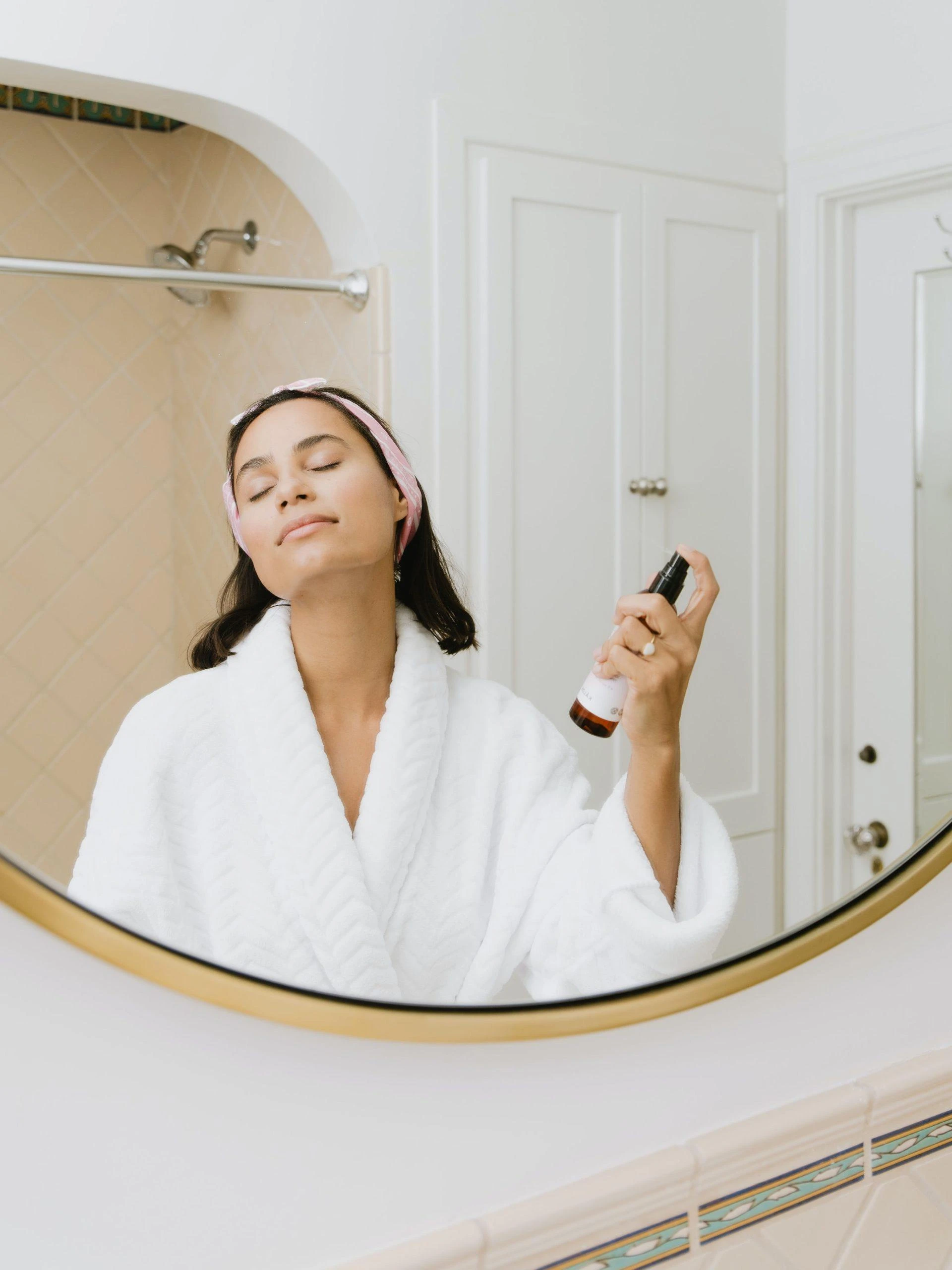

Introduction:
Skincare is the practice of taking care of your skin to maintain its health and appearance. It involves a range of activities, including cleansing, exfoliating, moisturizing, and protecting your skin from sun damage. The importance of skin care lies in the fact that our skin is the largest organ of the body and is constantly exposed to environmental factors that can damage it.
A proper skincare routine can help to prevent skin problems such as acne, wrinkles, and dryness, as well as improve the overall health and appearance of the skin. A good skincare routine should be tailored to your specific skin type and concerns and may include using gentle cleansers, exfoliating scrubs, moisturizing creams, and sun protection products.
TYPES OF SKIN:
There are four main skin types: oily, dry, combination, and sensitive. Understanding your skin type is important for creating an effective skincare routine, as different skin types require different types of products and treatments.
Oily Skin: Oily skin is characterized by a shiny, greasy appearance and is caused by the overproduction of sebum, an oily substance produced by the skin's sebaceous glands. People with oily skin often experience breakouts and have large, visible pores.
Dry Skin: Dry skin is characterized by a dull, flaky, and sometimes itchy appearance. It is caused by a lack of natural oil in the skin, which can lead to dehydration and tightness.
Combination Skin: A combination skin is a combination of both oily and dry skin, with some areas of the face being oily and others being dry. The most common areas of the face that are oily are the T-zone (forehead, nose, and chin), while the cheeks and jawline tend to be dry.
Sensitive Skin: Sensitive skin is characterized by redness, irritation, and reactivity to certain products and environmental factors. People with sensitive skin may also experience itching, burning, and stinging.
Importance of identifying your skin type before starting a skincare routine:
It's important to identify your skin type before starting a skincare routine because different skin types have different needs. Using products that are not appropriate for your skin type can lead to irritation, breakouts, dryness, or oiliness.
For example, if you have oily skin, using heavy, oil-based products can make your skin even oilier.
Knowing your skin type allows you to tailor your skincare routine to address your specific needs and keep your skin healthy and balanced. It also helps you select products that are appropriate for your skin type, and avoid using products that may be harmful or ineffective.
It's worth noting that your skin type can change over time due to factors such as age, hormonal changes, weather, and stress, so it's important to periodically re-evaluate your skin type and adjust your skincare routine as needed.
SKINCARE ROUTINE FOR OILY SKIN:
A skincare routine for oily skin should focus on controlling excess oil production and keeping the skin clean and clear. Here's a recommended routine:
Cleanser: Choose a gentle, oil-free cleanser that removes impurities and excess oil without stripping the skin. Use lukewarm water and gently massage the cleanser into your skin for 30-60 seconds, then rinse thoroughly.
Toner: Apply a toner that helps control oil production and balance the skin's pH. Look for ingredients such as witch hazel, salicylic acid, or tea tree oil.
Treatment: Use a treatment product that targets oiliness, such as a serum or spot treatment containing salicylic acid or benzoyl peroxide. These ingredients help to unclog pores and reduce the appearance of blemishes.
Moisturizer: Choose an oil-free, lightweight moisturizer to hydrate the skin without adding excess oil. Look for ingredients such as hyaluronic acid, which can help retain moisture in the skin.
Sunscreen: Apply a broad-spectrum sunscreen with at least SPF 30 to protect your skin from harmful UV rays. Look for an oil-free formula that won't add excess oil to the skin.
Exfoliation: Incorporate gentle exfoliation into your routine once or twice a week to remove dead skin cells and prevent clogged pores. Avoid using harsh scrubs, which can further irritate the skin.
SKINCARE ROUTINE FOR DRY SKIN:
A skincare routine for dry skin should focus on nourishing and hydrating the skin to prevent moisture loss. Here is a step-by-step routine:
Cleanser: Look for a gentle, non-foaming cleanser that won't strip your skin of its natural oils. Cleansers that contain ingredients like glycerin, hyaluronic acid, or ceramides are good choices.
Toner: After cleansing, use a toner to help restore your skin's natural pH balance. Toners that contain ingredients like aloe vera, chamomile, or rose water can help soothe and hydrate the skin.
Serum: Serums are a great way to deliver a concentrated dose of hydration to your skin. Look for serums that contain ingredients like hyaluronic acid, glycerin, or vitamin E to help lock in moisture.
Moisturizer: A rich, nourishing moisturizer is a must-have for dry skin. Look for moisturizers that contain ingredients like shea butter, cocoa butter, or coconut oil to provide intense hydration and nourishment to the skin.
Eye cream: Dry skin can be especially prone to wrinkles and fine lines around the eyes, so it's important to use a nourishing eye cream to hydrate and protect this delicate area.
Face oil: Face oils can provide a boost of hydration to the skin, especially during the colder months when skin tends to be even drier. Look for oils that are high in fatty acids and antioxidants, such as argan oil or jojoba oil, to nourish and protect the skin.
SKINCARE ROUTINE FOR COMBINATION SKIN:
A skincare routine for combination skin should address both oily and dry areas, while avoiding products that can strip the skin or clog pores. Here's a step-by-step guide to a basic skincare routine for combination skin:
Cleanser: Choose a gentle, non-stripping cleanser that won't dry out your skin or leave it feeling greasy. A foaming or gel cleanser is typically a good choice for combination skin, as it helps to remove excess oil without stripping the skin.
Toner: Use a toner to help balance your skin's pH and remove any remaining impurities. Look for a toner that contains ingredients like glycolic acid, witch hazel, or tea tree oil to help control oil production and prevent breakouts.
Serum: Apply a light, oil-free serum to help hydrate your skin and provide anti-aging benefits. Look for serums that contain ingredients like hyaluronic acid, vitamin C, or niacinamide to help boost hydration and brighten the skin.
Moisturizer: Choose a lightweight, oil-free moisturizer that won't leave your skin feeling greasy. Look for moisturizers that contain ingredients like glycerin, shea butter, or aloe vera to help hydrate your skin without clogging your pores.
Sunscreen: Apply broad-spectrum sunscreen every morning to protect your skin from the damaging effects of UV rays. Choose a lightweight, non-greasy formula that won't leave your skin feeling heavy or oily.
Spot treatment: If you have occasional breakouts, use a spot treatment to target specific areas. Look for products that contain ingredients like salicylic acid, benzoyl peroxide, or tea tree oil to help unclog pores and prevent breakouts.
SKINCARE ROUTINE FOR SENSITIVE SKIN:
A skincare routine for sensitive skin should prioritize gentleness and nourishment to minimize irritation and inflammation. Here are some tips for a basic sensitive skin routine:
Cleanse: Choose a gentle, fragrance-free cleanser that is formulated for sensitive skin. Avoid using hot water, which can strip the skin of its natural oils, and instead opt for lukewarm water. Cleanse your face twice a day, in the morning and at night, to remove dirt, oil, and makeup.
Tone: Use a gentle, alcohol-free toner to help restore your skin's natural pH balance. Avoid toners that contain astringent ingredients, such as witch hazel or salicylic acid, which can be too harsh for sensitive skin.
Moisturize: Choose a nourishing, fragrance-free moisturizer that is formulated for sensitive skin. Look for ingredients like glycerin, hyaluronic acid, and ceramides, which help to hydrate and soothe the skin. Avoid using heavy, oily moisturizers, which can clog pores and cause breakouts.
Sun protection: Apply a broad-spectrum, mineral-based sunscreen with SPF 30 or higher every day to protect your skin from UV damage. Look for a physical sunscreen, rather than a chemical sunscreen, which can be less irritating for sensitive skin.
Avoid irritants: Steer clear of skincare ingredients that are known to cause irritation for sensitive skin, such as fragrances, dyes, and alcohol. Also, be mindful of the products you use around your eyes, which can be especially sensitive.
CONCLUSION:
If you really wanted to make your skin more attractive and radiant, then you must check out the best skincare dermatologists in Ontario ON, Canada.
Moreover, they also offer free consultations related to your skin problem.























Sign in to leave a comment.