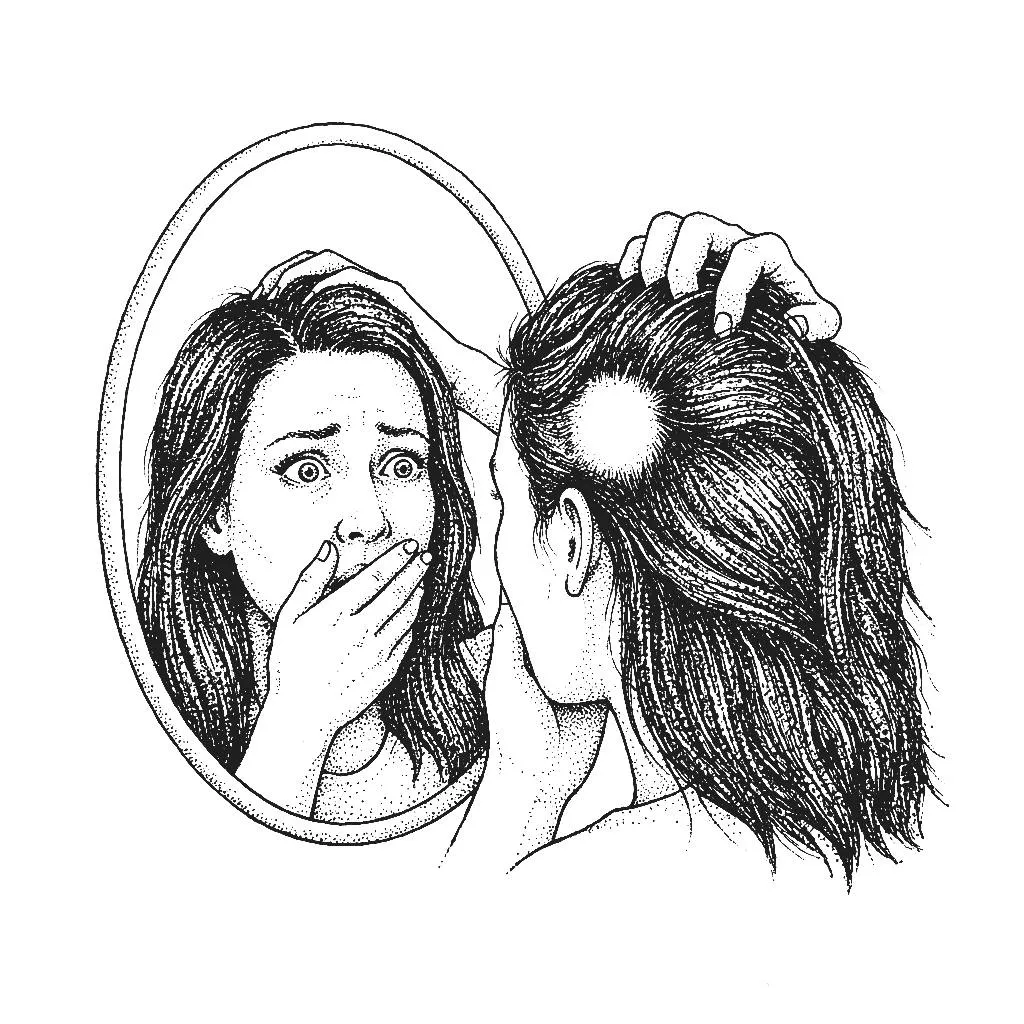

Let me guess how it started.
One morning you were combing your hair, or your partner was standing behind you, and there it was. A smooth, round bald patch where hair used to be. No warning. No itch. Just gone.
And the worst part wasn't even the patch. It was what came after. You went to a doctor, got a steroid injection or a cream, watched a little hair come back, felt hopeful for a few weeks, and then it fell out again somewhere else. Over and over. Nobody could tell you why it kept happening. They just told you this is autoimmune, and you'll have to live with it.
I've worked with enough people going through this to tell you plainly: that answer is incomplete. Alopecia areata has reasons behind it. And reasons can be worked on.
What Alopecia Areata Actually Is
Alopecia areata is an autoimmune condition. In simple words, your immune system, the thing meant to protect you, gets confused and starts attacking your own hair follicles. Not because your follicles are broken, but because your body has stopped recognising them as "yours."
Here's the part most people never get told, and it changes everything.
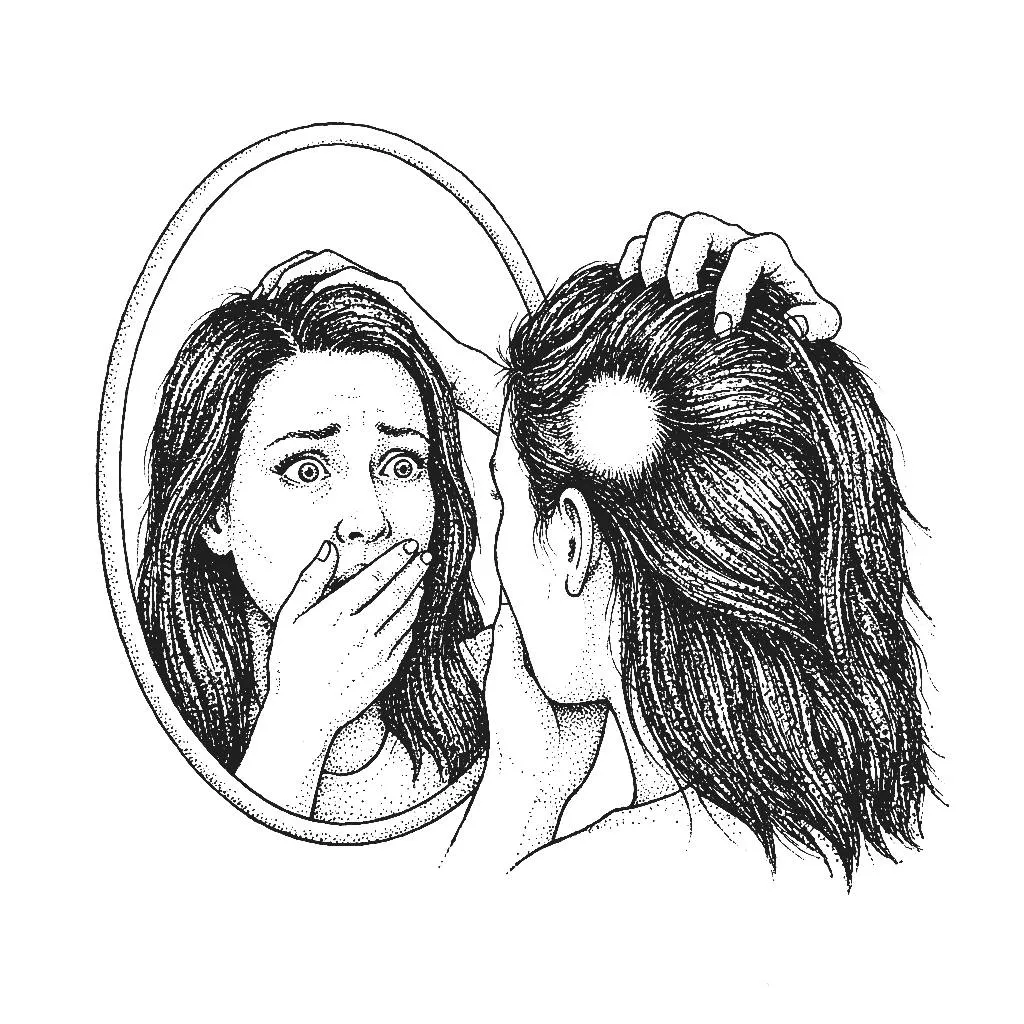
Your hair follicles are not dead. In alopecia areata, the follicle gets suppressed, but it stays alive and intact underneath the skin. That is completely different from the kind of hair loss where the follicle is scarred and destroyed for good. This is why people who lost every strand on their head can still grow it all back. The factory didn't burn down. Somebody just switched off the power.
So the real question is never "is my hair dead?" It's "why did my body switch it off, and how do I switch it back on?"
The Alopecia Symptoms People Actually Notice
Alopecia doesn't look the same on everyone, which is exactly why it confuses people for so long. Some of the common alopecia symptoms include:
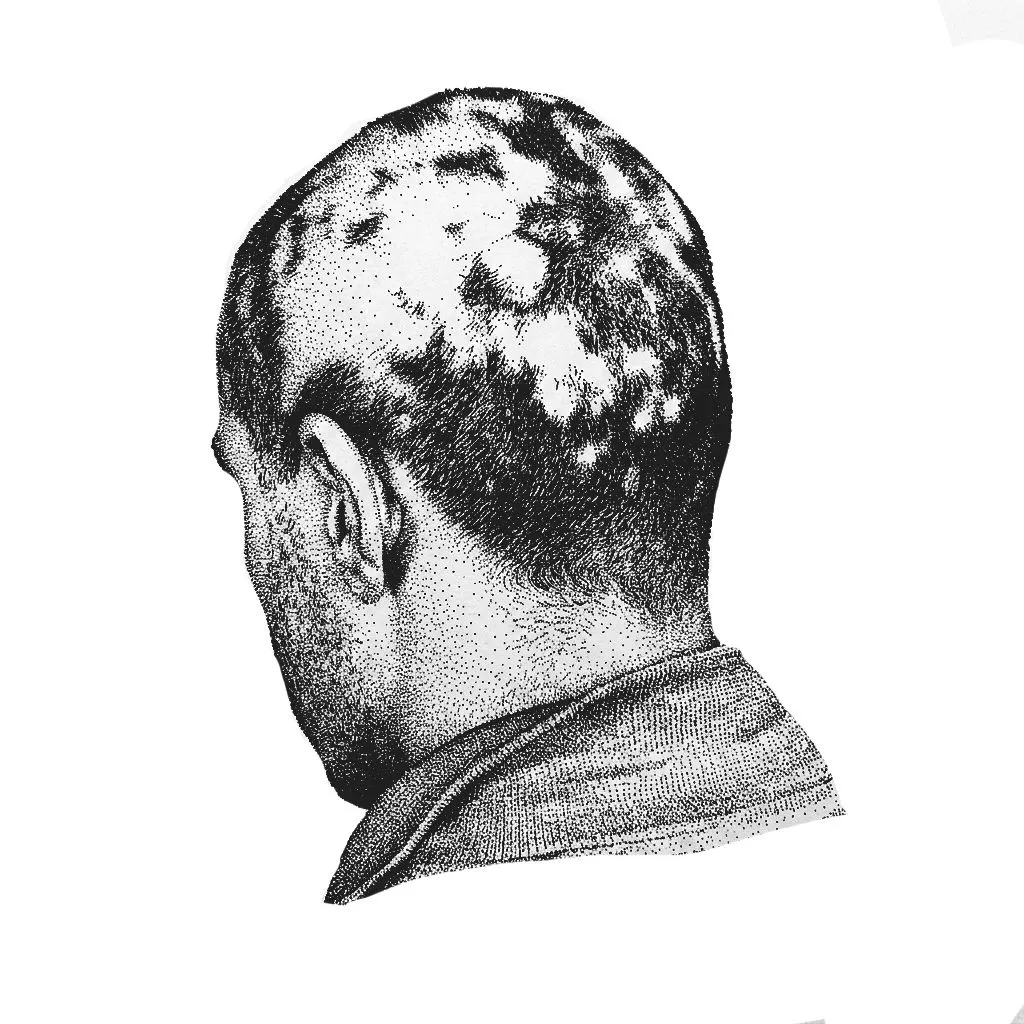
Small round or oval bald patches, usually on the scalp but sometimes in the beard, eyebrows, or elsewhere on the body. The skin in those patches looks smooth and normal, not red or flaky. Sometimes there's a tingling or slight sensitivity right before hair falls in a spot. Short broken hairs that look like tiny exclamation marks at the edge of a patch. And that frustrating pattern of hair growing back in one place while falling out in another.
For some people it stays as one or two small patches. For others it spreads to the whole scalp, and in some cases to all the hair on the body. The extent is different for everyone. What drives it underneath is surprisingly similar across the board.
The Real Reasons for Hair Loss That Get Ignored
This is where I want to slow down, because this is the part that changes outcomes.
Most treatment for alopecia areata happens at the scalp. Inject the patch, apply the cream, calm down that one spot. It can work for a while. But if the trigger for the immune confusion is coming from somewhere else in your body, calming one patch does nothing about the next one waiting to appear.
When we actually look, the reasons for hair loss in alopecia areata tend to trace back to a handful of things happening quietly underneath:
Your gut. A big part of your immune system lives in your gut lining. When that lining gets leaky or the balance of bacteria goes off, the immune system gets jumpy and starts overreacting. Your thyroid. Alopecia areata and thyroid problems, especially Hashimoto's, travel together far more often than people realise. Many people carrying alopecia have a thyroid issue they've never been tested for. Vitamin and mineral gaps. Low vitamin D, low zinc, low iron, and a few others directly affect how well your immune system stays calm and tolerant. Stress. Real, physical stress. This isn't a soft add-on. Intense stress genuinely shifts your hormones, your gut, and your immune signalling, which is exactly why so many people notice their alopecia started right after a death in the family, an illness, a breakup, or months of terrible sleep.
None of this is random. That "unpredictable" nature of alopecia is really just your body responding to whatever is going on underneath. Steady the ground underneath, and the condition steadies too.
This is the whole idea behind the root cause approach to alopecia areata that we use at iThrive. Instead of chasing patches, we go looking for what actually flipped the switch.
Why This Shows Up So Much in India
If you're reading this in India, alopecia areata is more common here than most people think, and it's showing up in younger people every year.
Part of it is how many of us walk around with gut issues we've normalised. Part of it is how widespread vitamin D deficiency is, even in a sunny country. Part of it is thyroid disease being extremely common. And a huge part is stress that never really switches off. Put all of that together and you get a lot of immune systems sitting on edge, ready to overreact. Then add a treatment culture that mostly deals with the scalp and rarely looks at the whole body, and you get a condition that's badly managed far more often than it needs to be.
What Real Hair Fall Treatment Should Actually Do
Here's my honest take after seeing this play out again and again.
Good hair fall treatment for alopecia areata isn't a single cream or a single injection. It's two things happening together. First, calming the immune attack enough that your follicles get a break. Second, and this is the part usually skipped, fixing the reasons your immune system got confused in the first place.
That means actually testing things. A full thyroid panel, including antibodies, not just a basic TSH. Your gut health. Your vitamin D, zinc, iron, and other nutrient levels. Your inflammation markers. Your stress and hormone picture. When you can see all of that on paper, the "mystery" of your hair loss usually stops being a mystery. You start seeing the specific reasons, and then you can actually do something about each one.
And it works. Among the people we've worked with, a majority saw real reduction in active hair loss, better regrowth, and fewer relapses within the first couple of months once we stopped treating patches and started treating the person. If you want proof that isn't just talk, look at the stories of people who reversed it after years of nothing working.
The Honest Truth About Getting Your Hair Back
I won't oversell this to you. Alopecia areata can be stubborn, and how fast and how fully hair comes back is different for everyone.
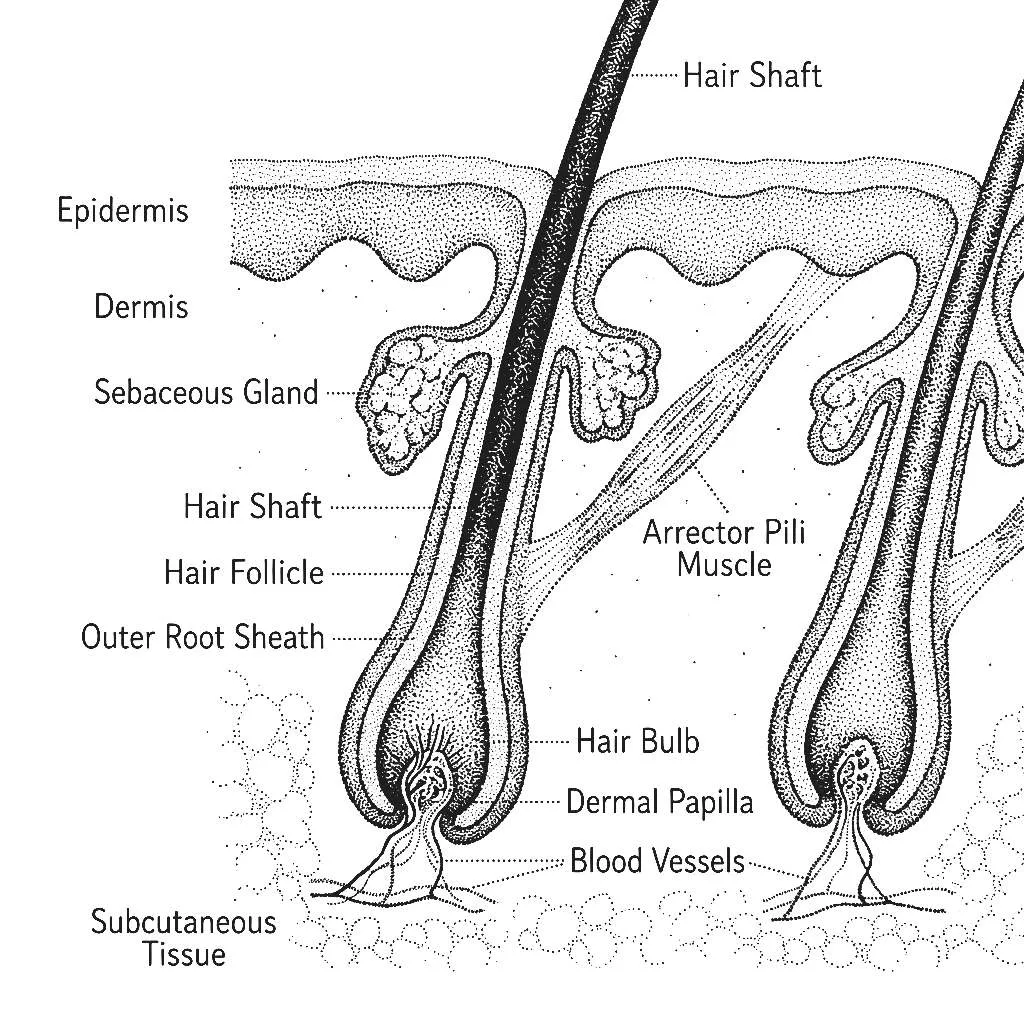
But I also won't let you walk away believing the thing that keeps people stuck for years: that this is just permanent, just your genes, just bad luck you have to accept. Your follicles are still there. The immune attack can be calmed. And the reasons behind it can be found and worked on, one by one.
The people who do best are almost always the ones who stopped asking "what cream do I use on this patch" and started asking "what is my body trying to tell me." That shift, from managing to understanding, is usually where things finally turn around.
Your hair didn't leave for no reason. Find the reason, and you change the whole story.
Frequently Asked Questions
Can hair actually grow back with alopecia areata, or is it permanent?
It can grow back, even after complete loss. In alopecia areata the follicle is suppressed but not destroyed, so it stays capable of growing hair again. The key is calming the immune attack for long enough, and fixing what triggered it, so the regrowth actually holds instead of falling out again.
Why does my alopecia keep coming back after treatment?
Usually because only the surface was treated. Injections and creams calm one patch, but if the real reasons for hair loss, like gut issues, thyroid problems, nutrient gaps, or chronic stress, are still active, new patches keep appearing. Address those underlying drivers and relapses become far less frequent.
Is my alopecia areata connected to my thyroid?
Very often, yes. Alopecia areata and autoimmune thyroid conditions share the same kind of immune confusion and show up together a lot. Many people with alopecia have a thyroid issue they've never been tested for, which is why a full thyroid panel is worth doing.
My hair loss started after a stressful period. Is that a real link?
Absolutely, and it's physical, not just "in your head." Intense stress shifts your hormones, disturbs your gut, and directly stirs up the immune pathways involved in alopecia. Stress is one of the most common triggers for it starting or coming back, which is why managing it matters for your hair.
What are the early alopecia symptoms I should watch for?
The classic sign is a sudden smooth, round bald patch with normal-looking skin. You might also notice tingling before hair falls, short broken "exclamation mark" hairs at a patch's edge, or hair thinning in the eyebrows or beard. If you spot these, it's worth looking deeper rather than waiting.


























Sign in to leave a comment.