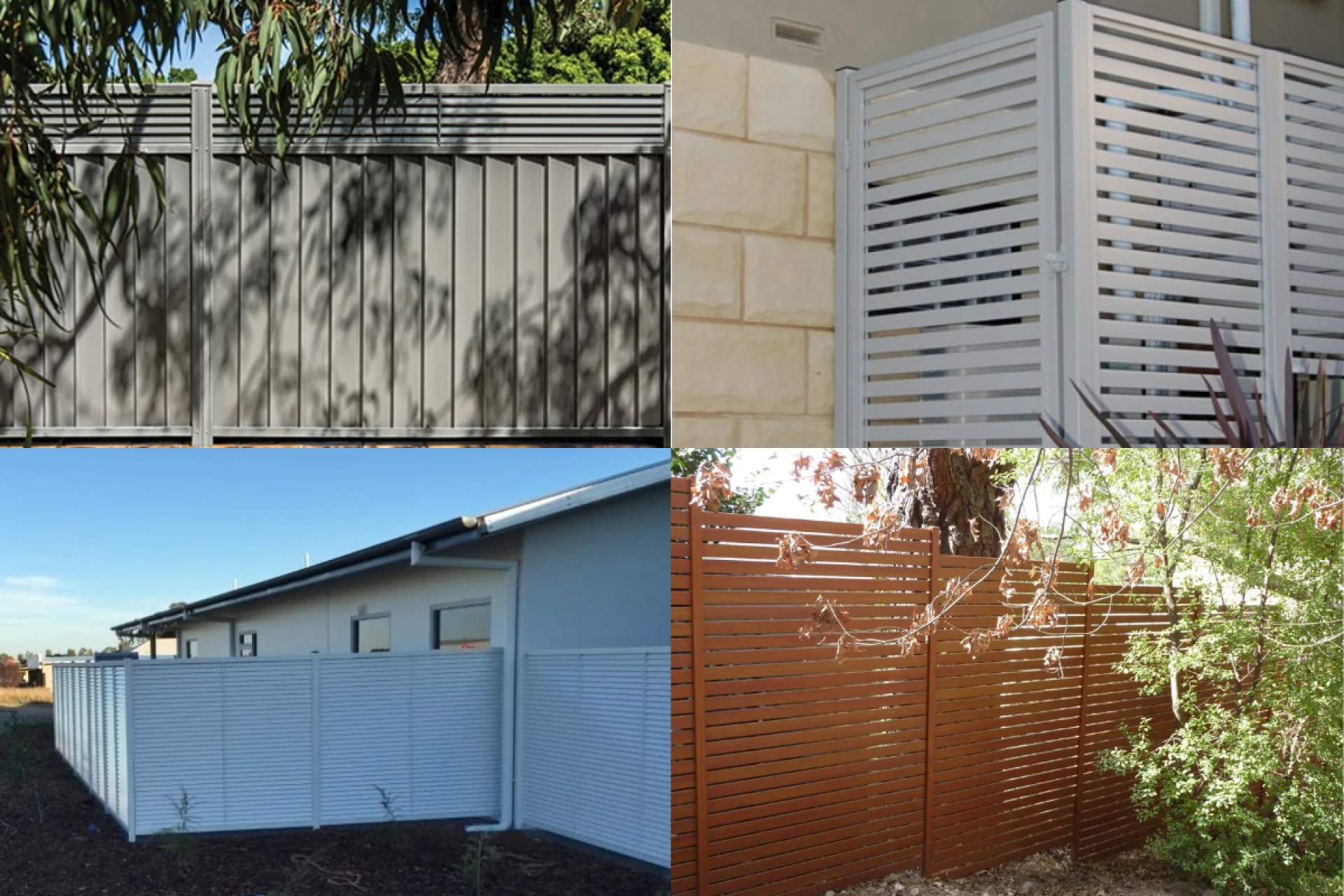
Warehouse cleaning and maintenance are often ignored, and then, the climate conditions in Sydney are not very favourable for any structure. The ultraviolet rays, moisture, salt-laden winds, occasional storms, etc., affect the structure's integrity, including the strength and durability of the fencing installations. This is the case of every commercial property across Australia, and wrong fencing selection in this situation can be very costly. Property owners have to focus on durability, compliance, and long-term value, and keep these factors in mind when selecting the most durable materials that perform incredibly well under pressure.
WHAT COMMERCIAL SITES EXPECT FROM FENCING INSTALLATIONS?
Security is the first requirement behind warehouse owners and commercial property owners focusing on fencing services. They expect their fencing to deliver the following –
- Resistance to corrosion in coastal or humid regions
- Strength against forced entry
- Low maintenance requirements
- Compliance with Australian standards
- Cost certainty over 10–20 years
According to STANDARDS AUSTRALIA, commercial security barriers and fencing installations must comply with strict structural and safety standards. The problem is that many property owners underestimate this and select only based on the price. This is where the real problem starts.
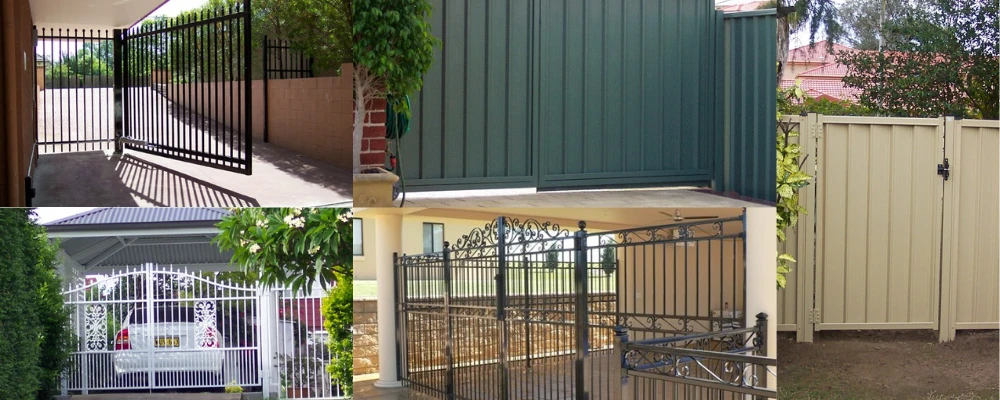
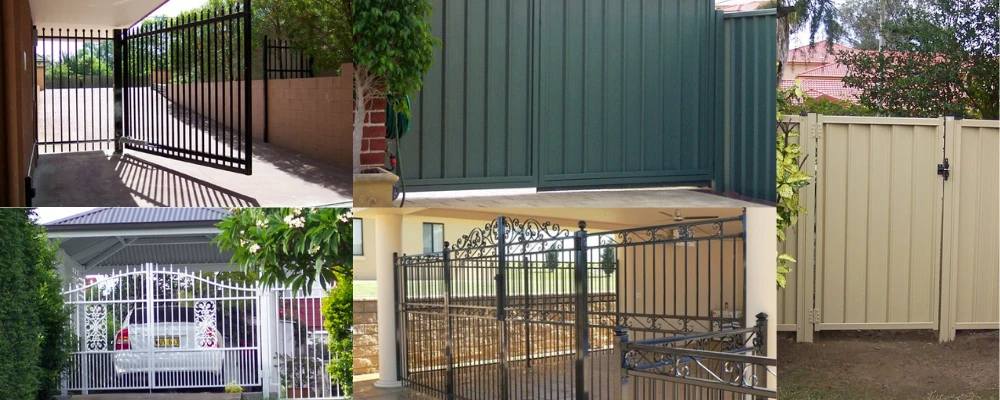
ALUMINIUM FENCING FOR COMMERCIAL PROPERTIES
Aluminium performs very impressively even if you are really close to the sea coast. This means a major expenditure related to fencing installations and maintenance is eliminated.
WHERE ALUMINIUM EXCELS?
- Coastal warehouses and marinas
- Car parks and strata complexes
- Childcare centres and schools
- Sites requiring visual appeal with security
With modern-day fencing, the best prices are assured, and it comes with powder-coated finish that resists UV and salt exposure really well. With this powder coating, you will not experience bubbling paint or corrosion, even after 5 years of fence installation.
Aluminium is also known to reduce load stress on automated gate motors, but a common downside is its lack of impact resistance compared to steel. If your site faces RAM risk or heavy equipment traffic, this factor becomes very crucial to consider.
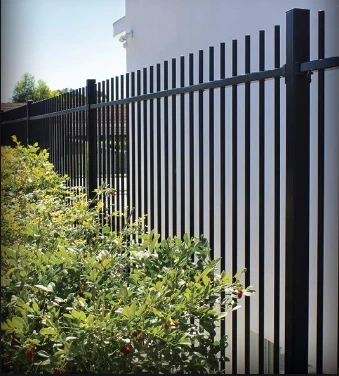
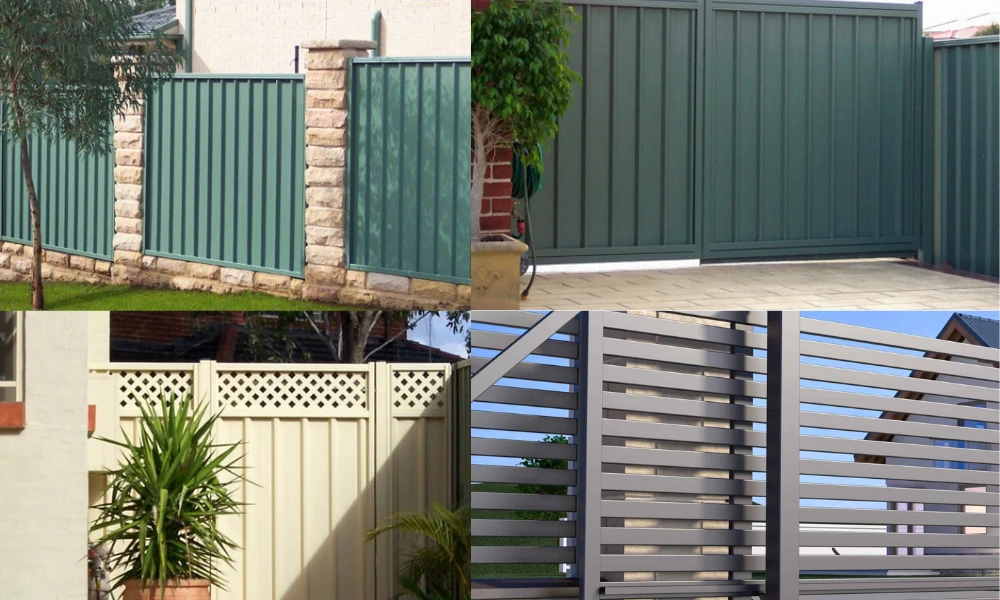
HIGH-RISK SITES BENEFIT FROM STEEL FENCING INSTALLATIONS
Steel fencing is the benchmark for high-security commercial properties. They are available in different types, and in all these types, strength remains uncompromised. The strength is the primary reason why heavy industrial zones in Melbourne and Newcastle rely on steel fencing installations.
WHERE STEEL MAKES SENSE?
- Warehouses storing high-value goods
- Construction sites
- Government facilities
- Industrial depots
When steel is hot-dipped and galvanised, you will experience a dramatic improvement in its lifespan, but maintenance also remains an essential requirement. Some compliance considerations are there, and the standards mentioned in the Australian Building Codes must be followed for fencing installations done in commercial properties. Without proper coating and inspection, steel fencing installations will also wear down prematurely in coastal NSW and Queensland regions.
COST CONSIDERATIONS: SHORT-TERM VERSUS LONG-TERM
Clients often question fencing best prices and there is nothing wrong in this. But the upfront cost will never reveal the full story before you. Here is how you can get a basic estimate of the cost.
ALUMINIUM
- Higher material cost than basic steel
- Minimal corrosion maintenance
- Lower repainting frequency
- Long lifespan in coastal zones
STEEL
- Lower initial material cost (depending on type)
- Higher maintenance if exposed to moisture
- Stronger physical deterrent
- Ideal for high-impact environments
If lifecycle cost is your primary priority, you can focus on aluminium fencing installations without a second thought, even in a coastal region.
However, if you want to negotiate a security threat, steel fencing should be your top choice.
COMPLIANCE AND INSTALLATION ARE BOTH IMPORTANT
Selecting the right material doesn't guarantee correct installation; without accurate installation, no fencing or any material will last long. Builders have to consider some crucial factors while selecting fencing installations and availing installation-related fencing services, and some of them are –
- Wind load ratings
- Soil conditions
- Drainage
- Access points and automation
- Local council regulations
So WHICH ONE IS BETTER?
There is no universal winner between aluminium and steel fencing installations. Different situations require different solutions, and choose aluminium if:
- Your site sits near the coast
- You prioritise low maintenance
- Visual presentation matters
CHOOSE STEEL IF:
- Security risk remains high
- Impact resistance matters
- You operate in industrial zones
FAQs
IS ALUMINIUM FENCING STRONG ENOUGH FOR COMMERCIAL SITES?
- Yes, for moderate-security environments like strata, schools and car parks.
- High-risk industrial sites usually require steel.
DOES STEEL FENCING RUST IN COASTAL AUSTRALIA?
- It can, especially without hot-dip galvanising and regular maintenance.
- Coastal exposure accelerates corrosion.
WHICH FENCING OPTION LASTS LONGER IN AUSTRALIA?
- Aluminium generally lasts longer in coastal and humid areas.
- Steel performs well inland with proper coatings.
IS ALUMINIUM MORE EXPENSIVE THAN STEEL?
- Material cost can be higher.
- Maintenance savings often balance this over time.
WHAT FENCING HEIGHT IS REQUIRED FOR COMMERCIAL SECURITY?
- It varies by council and site type.
- Industrial security fencing often ranges from 1.8m to 2.4m or higher, depending on risk assessment.




















Sign in to leave a comment.