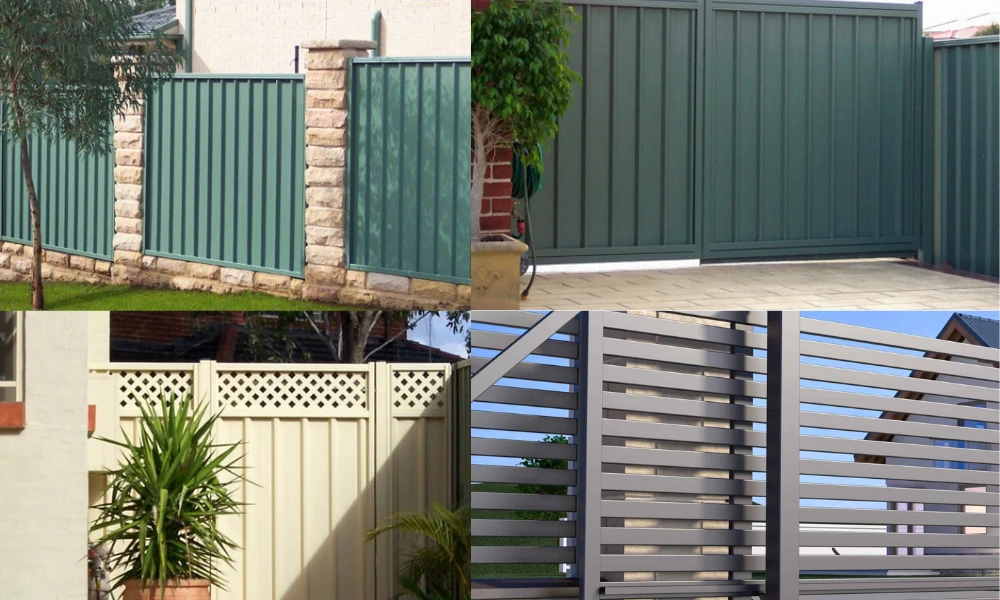
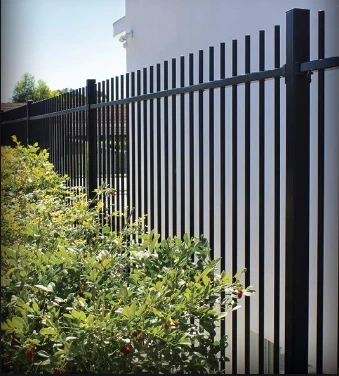
An old fence at your property doesn't fail overnight. This is a gradual process that involves weakening, rusting, lining, and eventually, a complete collapse. This happens for numerous reasons in Australia, such as harsh sun, coastal air, storms, shifting soil, etc. All these factors put immense pressure on the fencing and force it to give up. As a homeowner, you must know the signs that indicate it's time to replace your fence. We have come up with this guide to reveal some clear warning signs and signals that tell you that the right time to replace your fencing installation has come.
VISIBLE DAMAGES YOU SHOULD NOT IGNORE AT ALL
Physical deterioration is the first clue that it's time for a new fence installation. Some clear signs to watch out for are –
- Rust spreading along rails, posts, or fixings
- Cracks, rot, or warping in timber panels
- Bent or twisted metal sections
- Broken palings or missing sections
Understanding these signs is vital because Australian conditions accelerate wear and tear, particularly in coastal areas and regions with high rainfall. Corrosion and rotting spread slowly, and eventually, the time comes when they become a clear sign to understand that replacement is now necessary. You will deliver superior protection and eliminate ongoing maintenance costs by replacing your fencing on time.
LEANING OR UNSTABLE FENCES
Leaning or unstable fences must not be ignored, as this can result in deeper and more expensive structural issues. This instability is due to several reasons, like –
- Posts are shifting due to soil movement
- Concrete footings are breaking down
- Storm or wind damage weakening foundations
The clay soil in Australia expands and contracts, and due to this, the fence installations experience loosening, leaning or instability. In this situation, new fence installations must be considered as installers will reset the post correctly after improving drainage to restore the strength and proper alignment.
SECURITY GAPS AND SAFETY RISK
Your fencing installations must provide adequate safety for people, pets, and property. But gaps beneath the panels, sagging gates, or weak sections can allow intruders to get unauthorised access to your property. Old fencing installation is more vulnerable, and children and pets can also get easy access to the exterior. This situation can be easily eliminated by installing new fencing, as professionals will focus on tighter spacing, stronger fixing, and durable materials to improve safety without compromising appearance.
NON-COMPLIANT FENCING
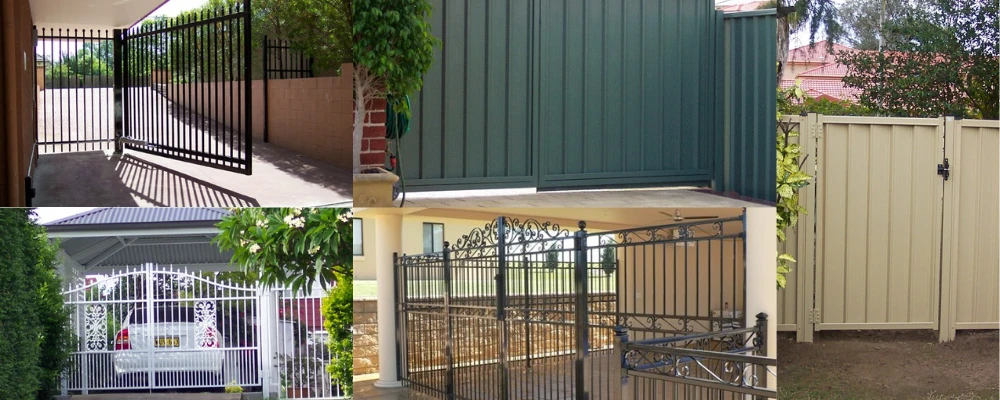
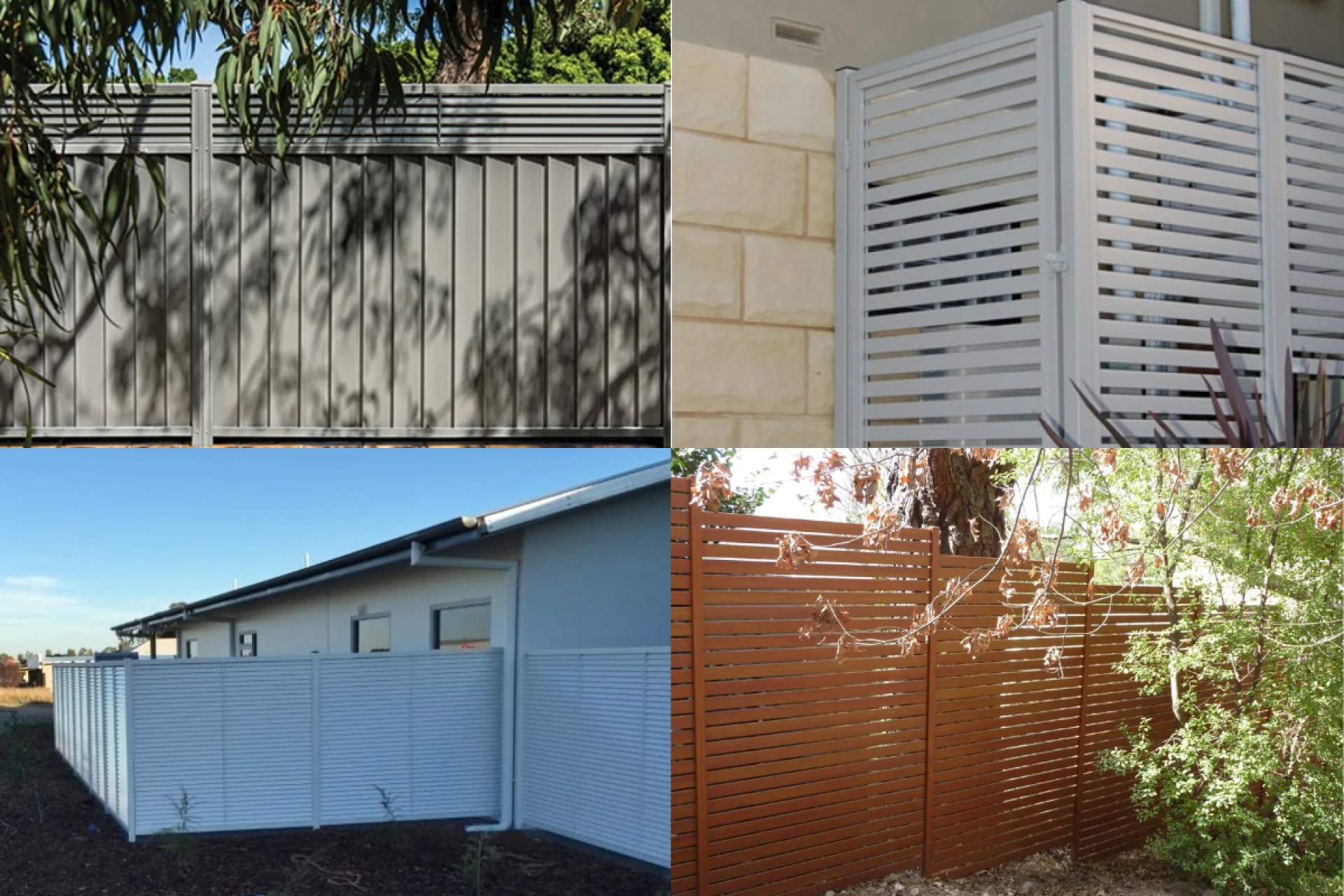
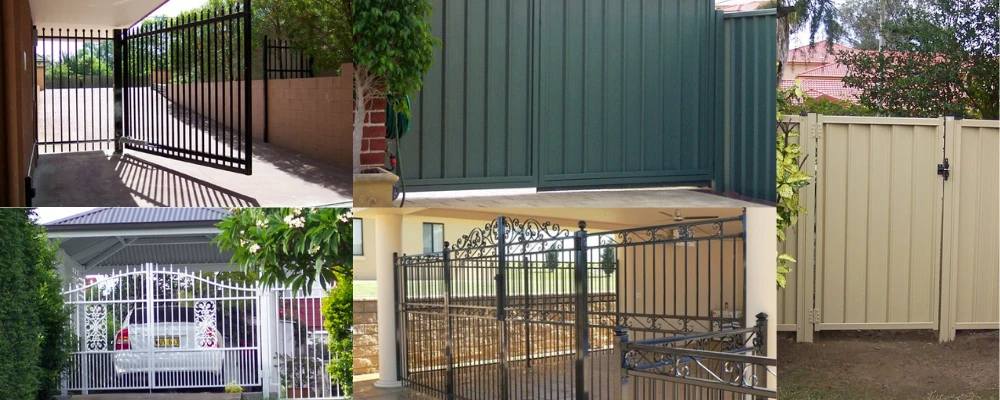
Australian regulations change regularly, and it is very common for old fencing to become non-compliant due to updated rules and regulations. In this situation, there is no other option than to go for new fence installations. Non-compliant fences will create legal risks and insurance issues. With new fencing installations like colorbond fence and fence screening, you will not just remain compliant with state and council requirements, but also improve safety and ensure total peace of mind.
CONSTANT REPAIRS THAT KEEP ADDING UP
- Frequent repairs often cost more than replacement over time.
- Replacing palings every year
- Repainting or re-treating timber repeatedly
- Welding or patching rusted sections
WHEN REPLACEMENT IS A SMART CHOICE?
Replacing old fencing is a brilliant idea when repair work no longer remains effective in solving structural issues, safety issues, or compliance-related issues. In this situation, new fencing installation will assure better durability, improved security, and it will also lower the maintenance cost.
Some frequently asked questions related to fencing replacement are provided below.
FREQUENTLY ASKED QUESTIONS
HOW LONG SHOULD FENCING LAST IN AUSTRALIA?
- Quality fencing typically lasts 15–30 years, depending on material, location, and maintenance.
CAN I REPAIR FENCING INSTEAD OF REPLACING?
- Minor damage allows repair, but widespread rotting, rusting, or instability usually requires replacement.
DOES NEW FENCING IMPROVE PROPERTY VALUE?
- Modern fencing improves street appeal and buyer confidence, especially for family homes.
WHAT FENCING MATERIALS SUIT AUSTRALIAN CONDITIONS BEST?
- Aluminium, steel, and treated timber perform well against heat, rain, and UV exposure.
DO I NEED COUNCIL APPROVAL TO REPLACE FENCING?
- Some boundary and pool fencing requires approval.
You should check local council guidelines.





















Sign in to leave a comment.