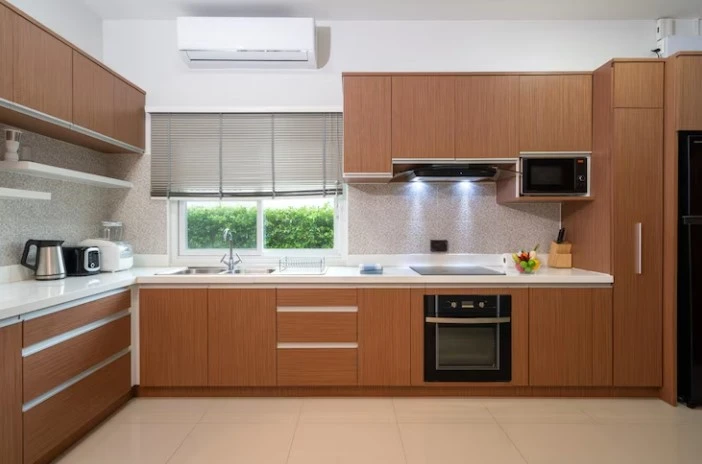

The kitchen is where the magic occurs. The kitchen is the center of your house, where you do everything from having a quick breakfast before leaving for work to entertaining guests. It must be functional and aesthetically pleasing. A well-designed kitchen may make even the most mundane tasks, like cooking, cleaning, dining, or entertaining, more pleasant. Whether you're remodeling an existing kitchen or building a whole new one, these suggestions will be useful. If you want a kitchen that is aesthetically pleasing and fully functional for your family's requirements, consider the following suggestions for designing a kitchen layout.
Reduce extra motions.
Consider your typical daily routine while planning the layout of your kitchen. Having the materials you need for a job right at hand can save you a lot of time and effort. For instance, have your coffee cups, beans, and creamer near your coffee maker. Your sleepy morning self will appreciate it. Wrapping materials and plastic containers should be stored next to the kitchen sink. Put silverware and plates next to the dishwasher to quickly remove them after washing.
Create spacious pathways.
Make sure there is enough space between the cabinets and the island in your chosen kitchen layout. Paths in a kitchen should be at least 36 inches wide as a general guideline. Within the cooking area, aisles should be at least 42 inches wide for a single cook and 48 inches wide for two. Kitchen layouts may be improved by relocating islands and peninsulas.
Passage through the kitchen should be controlled.
When planning a kitchen layout, it's important to prioritize efficient traffic flow. You don't want the kitchen staff to be continuously interrupted by passing guests. Ensure the stove is in the way of everybody walking through the kitchen on their way to another space.
A central kitchen island separates the kitchen's working area from the social space. It allows people to hang around and visit with the chef without getting in the way.
The refrigerator should also be conveniently located at the entrance to the kitchen and the area where food is prepared and cleaned up.
Avoid going into any tight spaces.
When determining where to put cabinets and appliances, corners should be considered. When designing a kitchen, it is important to account for the clearance and swing direction of cabinet and appliance doors. Ensure doors won't slam into one other if opened simultaneously, and move appliances away from walls and corners. Low-profile handles are a good choice if you need to maneuver around a tight corner. When the knobs, pulls, and appliance handles in a room protrude too far, accessing the adjacent corner cabinets might be difficult.
Set the microwave at the appropriate height.
Whether or not a microwave should be placed at eye level depends on the cook and whether or not the kitchen is kid-friendly. The ideal microwave height for an adult is 15 inches above the countertop. A below-countertop installation may be preferable and safer if children use the appliance.
Identify the island's primary purpose, number 6.
Kitchen islands have several purposes. Therefore their design should reflect that. Before deciding on a layout for the island, examine your intended uses for it in the room. Leave adequate room between the stove and the table if you want to use the kitchen island as a prep and eating place. The island's versatility allows for additional utilities, such as a sink or dishwasher.
Make sure you have a landing area next to your appliances.
Appliances with surrounding landing spaces conveniently place freshly cooked or microwaved meals. It's also useful for food preparation. Allow at least 15 inches of countertop space on each side of a burner and refrigerator when planning your kitchen's layout. Having a landing spot near other tiny appliances, such as a coffee maker or toaster, is also helpful.
Eight, take a look at the counters.
Before making any decisions about your countertops, consider your cooking habits. Those who make elaborate meals regularly need more counter space (preferably between the range and sink) than those who do not. If you want to encourage your kids to assist in the kitchen, installing countertops at two heights may make baking a breeze.
Replace kitchen equipment twice as often.
It's a good idea to get two of the most utilized machines in the kitchen if you have a big family or a lot of food preparation. One approach to divide the labor and keep the snackers at bay is to install a second microwave oven and a mini-refrigerator or refrigerator drawer on the periphery of the kitchen work center. Put up a snack bar with chairs so that kids have somewhere to hang out after school.
Ten. Set up the target area.
Keeping frequently used cooking supplies right next to the stove is a good idea. Cooking oils, utensils, and spices may be stored on a shelf placed next to or behind the range. The placement of extra-deep drawers for cookware near the range or beneath a cooktop should be considered when designing a kitchen. Mount S-hooks to the wall on each side of the range hood to store pots and pans out in the open.
Visit Tj projects construction company because they provide various types of services.



























Sign in to leave a comment.