
In industries where working at heights is a routine part of operations, fall protection systems are crucial in ensuring worker safety. Among the various components of these systems, anchor points play a pivotal role. Regular anchor point inspections and maintenance are not just regulatory requirements but are essential practices that can mean the difference between life and death.
The Role of Anchor Points in Fall Protection
Anchor points are the foundational elements to which lifelines, lanyards, and other forms of fall arrest equipment are attached. These points must be secure, reliable, and capable of withstanding the forces generated during a fall. A robust anchor point ensures that the fall arrest system performs as intended, preventing workers from hitting the ground or other obstacles, thereby minimising injury or fatality.
Importance of Regular Inspections
Regular inspections of anchor points are crucial for several reasons:
Safety Assurance: Over time, anchor points can degrade due to environmental exposure, corrosion, or wear and tear. Regular inspections help identify and rectify such issues before they compromise safety.Regulatory Compliance: Occupational safety regulations in many countries mandate periodic inspections of fall protection systems, including anchor points. Compliance with these regulations is not only a legal obligation but also a moral one, ensuring worker safety is prioritised.Early Detection of Issues: Inspections can uncover hidden problems such as structural weaknesses, material fatigue, or improper installations that might not be visible during routine use. Early detection allows for timely repairs or replacements, preventing accidents.Enhancing Worker Confidence: Knowing that their safety equipment is regularly inspected and maintained gives workers the confidence to perform their tasks without undue fear of falling.Inspection Procedures
A thorough anchor point inspection involves several steps:
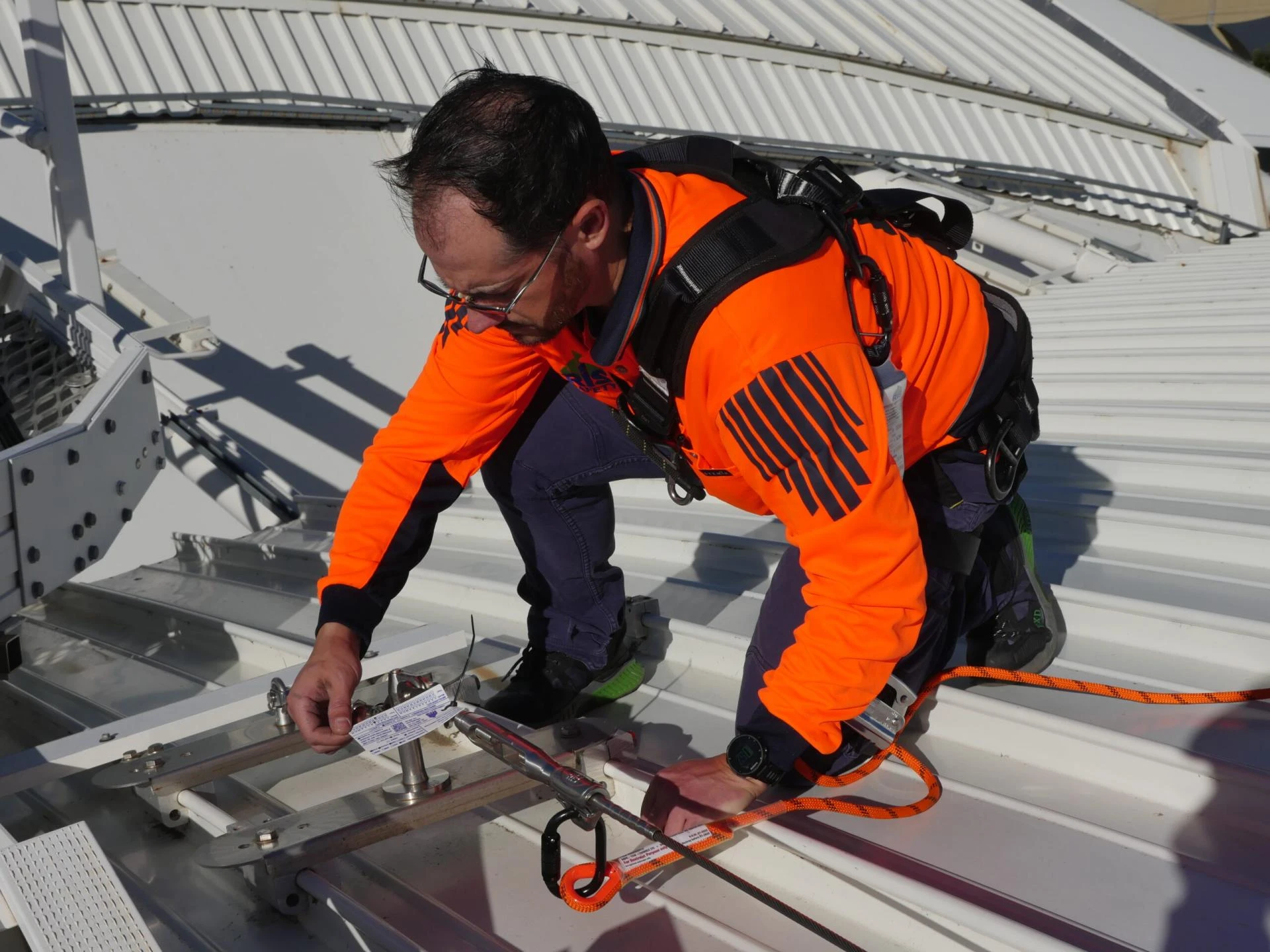
Visual Inspection: This initial step involves checking for obvious signs of damage, wear, or corrosion. Inspectors should look for rust, cracks, deformities, and any other visible issues that could compromise the integrity of the anchor point.Physical Testing: Beyond visual checks, physical testing ensures that the anchor point can bear the necessary loads. This might involve load testing to simulate the forces experienced during a fall.Documentation Review: Inspectors should review the installation and maintenance records to ensure that the anchor points have been installed correctly and have undergone regular maintenance.Environmental Assessment: The environment in which the anchor points are situated can significantly impact their longevity and performance. Inspectors should assess factors such as exposure to chemicals, weather conditions, and other environmental stresses.Compliance Verification: Ensuring that the anchor points meet all relevant standards and regulations is a critical aspect of the inspection process. Non-compliance can result in severe penalties and an increased risk of accidents.
Best Practices for Anchor Point Maintenance
To ensure the ongoing reliability of anchor points, it is essential to follow best practices in their maintenance:
Regular Inspection Schedule: Establish a routine inspection schedule that complies with regulatory requirements and considers the specific conditions of the work environment.Qualified Inspectors: Ensure that inspections are carried out by qualified personnel who have the necessary training and experience to identify potential issues accurately.Use of Advanced Tools: Utilise advanced inspection tools such as ultrasonic testers, magnetic particle testing, and other non-destructive testing methods to detect hidden flaws.Immediate Rectification: Address any issues identified during inspections immediately. Delaying repairs can exacerbate problems and increase the risk of accidents.Training and Awareness: Educate workers on the importance of fall protection and the role of anchor points. Training should include how to recognise signs of wear and the importance of reporting potential issues.Summing up, anchor point inspections are a critical component of fall protection systems, playing a vital role in ensuring the safety of workers who operate at heights. Regular, thorough inspections not only comply with regulatory standards but also proactively prevent accidents, thereby saving lives.




























Sign in to leave a comment.